ประเภท: Miscellaneous
ผลการค้นหา: 924
Application of fluid mechanics principles to study and practice of hydraulic engineering, piping system, water hammer, pumps and turbines, open channel flow, design reservoir, dams, spillways, hydraulic models.
General properties of engineering materials: metals, ceramics, polymers and composite; classification of metallic materials; crystal structures of metals; macro and microstructure of metals; mechanical properties and mechanical
testing; phase equilibrium diagrams and their interpretations; metal processing; heat treatment of metals; structure-property-processing-application relationships in engineering materials; materials degradation.
Statics of materials under external loading: Elastic behaviors; Plastic deformation; Stress analysis in two and three dimensions; Yield criteria; Effects of temperature, strain rate, residual stress, metallurgical factors and defects on mechanical behaviors of metals; Strengthening mechanisms in metals; Introduction to fracture mechanics, modes of fracture; fracture analysis in metals; Mechanical properties and mechanical testing, e.g., hardness, tension, torsion, creep, impact toughness, fracture toughness and fatigue; Analysis of mechanical properties for engineering design and applications
Introduction to mechanical testing for engineering applications; Assessment and analytical techniques of experimental data; Engineering measurement; Hardness testing; Measurement of stress and strain; Tensile testing; Torsion testing; Creep testing; Impact testing; Bend testing; Fatigue testing; Fractography
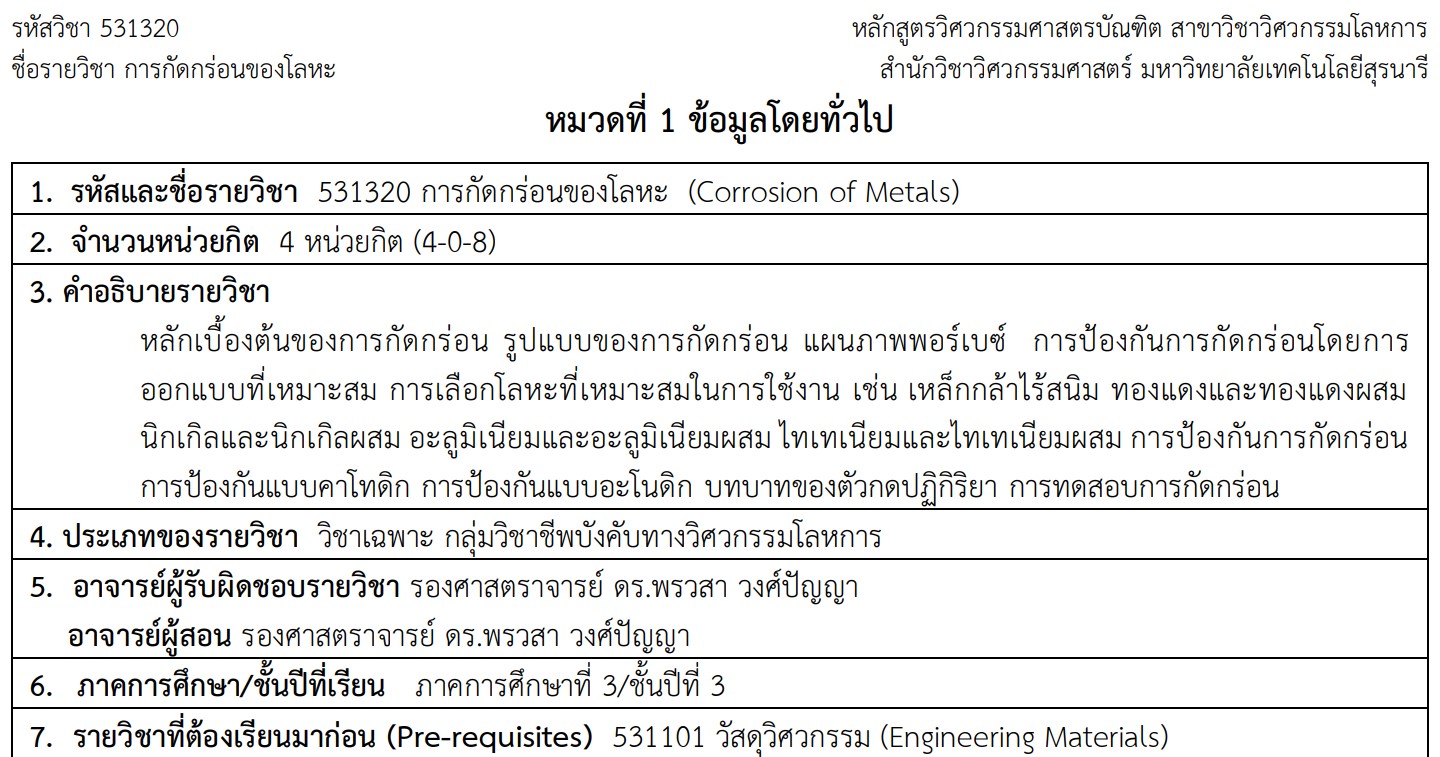
Metallurgy of commercial nonferrous metals, e.g, aluminium, magnesium, copper, zinc, titanium, nickel; Alloying, melting and forming into engineering components; Phase diagrams of alloys; Correlations among microstructure, physical, mechanical and corrosion properties affecting their utilizations in engineering services; Mechanical property improvement of nonferrous alloys; heat treatment in aluminium alloys, copper alloys and titanium alloys; Metallurgy and engineering significance of other nonferrous alloys, e.g., tin, lead, gold, and silver.
Stress-strain relationships; Elastic behavior, stress analysis in two and three dimensions; Yield criteria; Theory of plasticity; Dislocation theory; Deformation parameters and metallurgical factors affecting deformation in metals; Fractures; Standard mechanical testing: hardness, compression, tensile, creep, torsion, bending and impact testing; Introduction to fracture mechanics and safety assessment; Fatigue-life assessments, fatigue crack growth; Mechanical failures and prevention

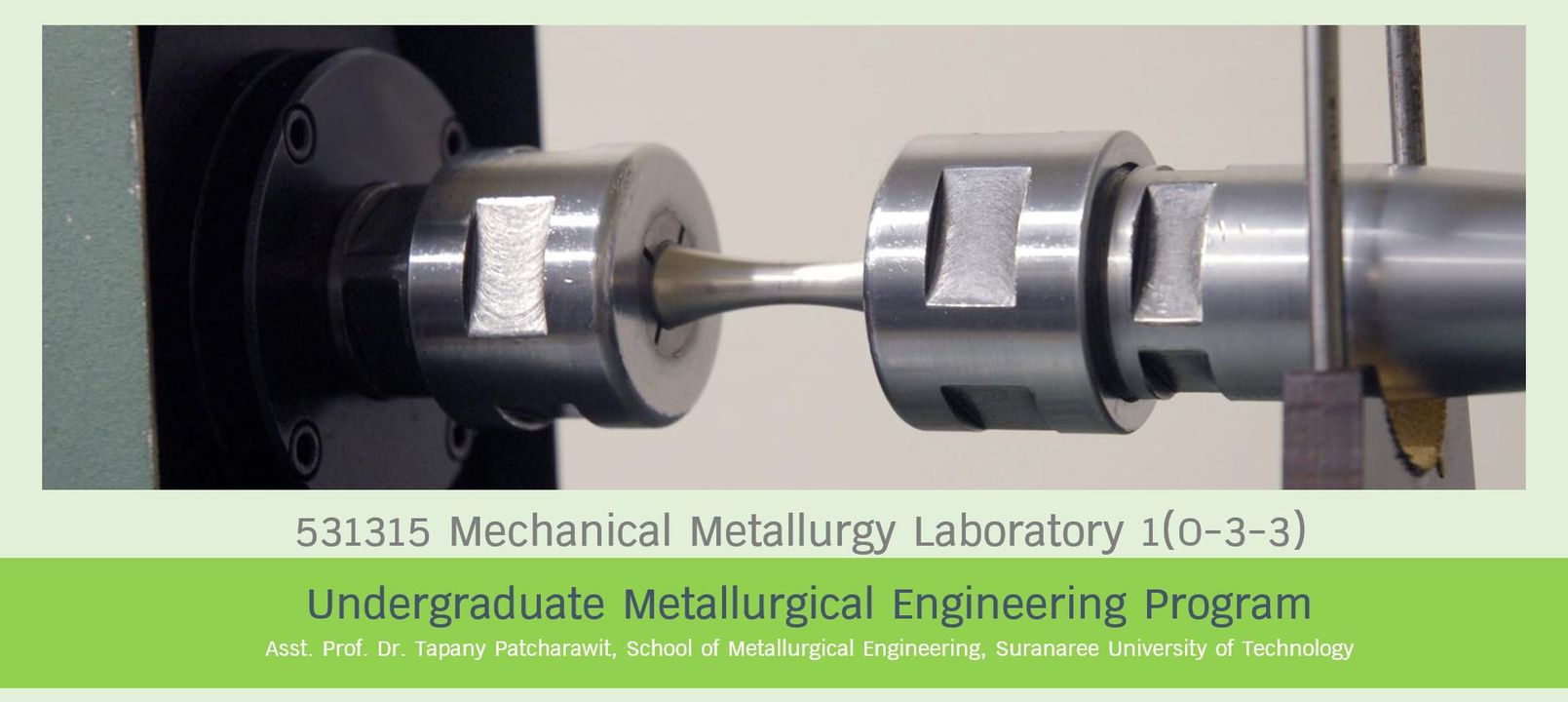
Mechanical testing of metallic materials such as tensile, hardness, impact, creep, fatigue, torsion and bending according to the standard test methods. Fractography is followed to characterize the failure mode of each test on different engineering alloys. Analysis of test data is required.
Current and market trends of metal injection moulding; Process attributes and limitations; Powder characteristics and fabrication; Feedstock formulation; Toolings and injection moulding maching; Moulding of engineering components; Controlled moulding parameters and defects; Debinding techniques; Sintering mechanisms and practice; Final processing and quality issues; Optimization and design guide; Case study for metal injection moulding of metallic parts

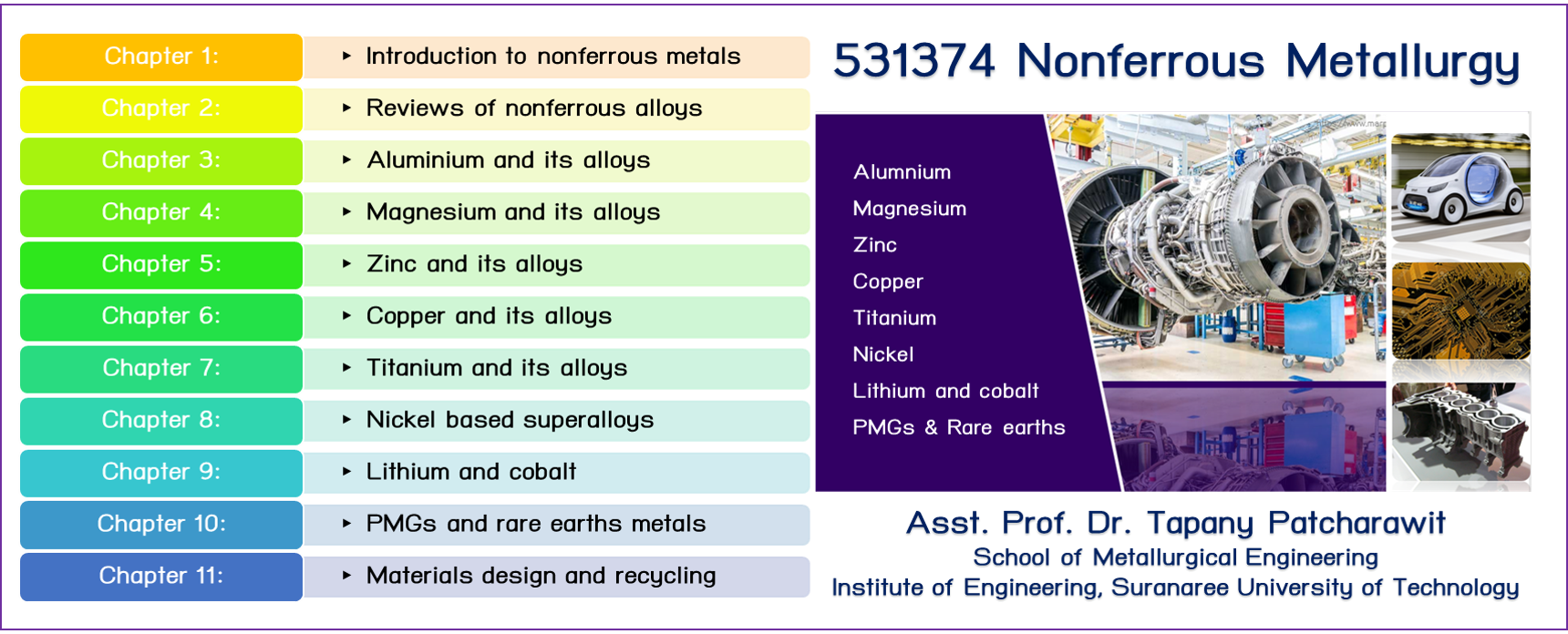
Metallurgy of commercial nonferrous metals and alloys: aluminium, magnesium, copper, zinc, titanium, nickel and other significant alloys such as cobal, lithium, precious metals group (PMG) and rare earth metals; Phase equilibrium diagrams of selected nonferrous alloy systems; Relationships among chemical compositions, microstructures, forming processess and heat treatments; Factors influencing physical, mechanical and chemical properties of nonferrous metals; Selection of nonferrous metals for engineering applications; Protection of metal degradation in service; Newly developed forming technology for high performance nonferrous metals and alloys.
Conducting project on the topic of interest concerning metallurgical engineering. This includes literature survey, proposal of research topic, experimentation, progress. Research summary report or manuscript and oral presentation are required to fulfill the course assessment by advisors and project assessment committee.
แจ้งให้นักศึกษาทั้ง 7 กลุ่มที่ผ่านการประกวดโครงงานวิจัยฯ ภาค 1/2566
ขอให้ตัวแทนกลุ่มส่งไฟล์ ดังต่อไปนี้
- เล่มรายงานโครงงานวิจัย (pdf. เท่านั้น)
- ไฟล์โปสเตอร์นำเสนอ (pdf. เท่านั้น)
โดยให้ส่งภายในวันจันทร์ที่ 6 พ.ย. 2566 เวลา 16.30 น. เท่านั้น หากไม่ส่งไฟล์ดังกล่าว จะไม่ออกเกรดให้ค่ะ
Necessary fundamentals for environmental engineering students including roles and responsibilities of environmental engineers, professional ethics, works for environmental engineering profession, works in other environmental professions, and fundamental sciences for environmental engineering study.
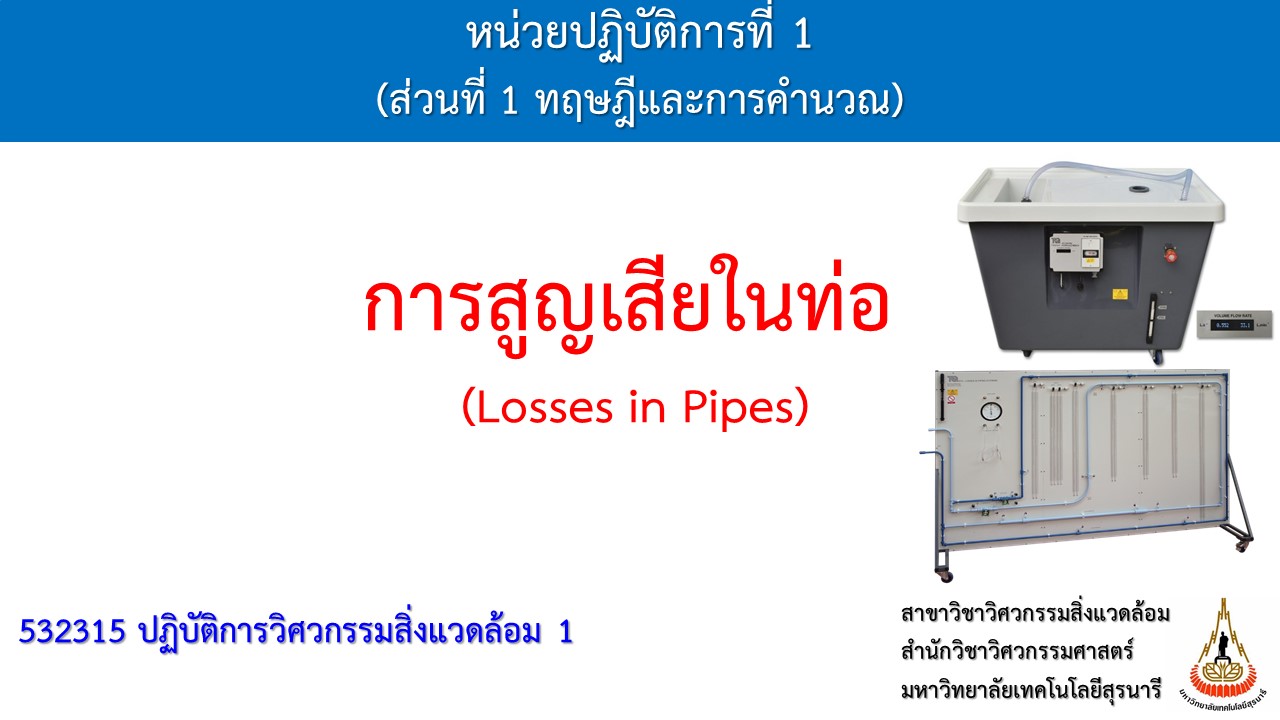
การทดลองที่ 1 การสูญเสียในท่อ (Losses in Pipe)
ปฏิบัติการวิศวกรรมสิ่งแวดล้อม 532315 : Environmental Engineering Laboratory
การแก้ไขปัญหาสิ่งแวดล้อมของภาคอุตสาหกรรมโดยการจัดการ หน่วยงานมาตรฐานระหว่างประเทศและหน่วยที่บริการด้านการจัดการสิ่งแวดล้อม มตรการและมาตรฐานด้านการจัดการสิ่งแวดล้อมในระดับโลกและระดับประเทศ อาทิ ISO มอก. ROHS WEEE CFP การจัดการสิ่งแวดล้อมอุตสาหกรรมที่เป็นส่วนสมัครใจ เทคโนโลยีสะอาด
หลักการเบื้องต้นนโยบายคุณภาพสิ่งแวดล้อมระดับชาติ หลักการมาตรฐานคุณภาพสิ่งแวดล้อม
และข้อกำหนดในจัดเตรียมการศึกษาผลกระทบทางด้านสิ่งแวดล้อม นโยบายและกฎหมายที่เกี่ยวข้องกับสิ่งแวดล้อมของต่างประเทศ กฎหมายสิ่งแวดล้อมของไทย และความสำคัญของสิ่งแวดล้อมต่อการค้าระหว่างประเทศของไทย
เศรษฐศาสตร์วิศวกรรมเบื้องต้น มูลค่าเทียบเท่าและความสัมพันธ์ของเวลาและค่าของเงิน การคำนวณเกี่ยวกับดอกเบี้ย การเปรียบเทียบทางเลือกในการลงทุนโดยการใช้อัตราผลตอบแทนภายในและอัตราผลกำไรต่อต้นทุน การคิดค่าเสื่อมราคาและภาษี การหาจุดคุ้มทุน การวิเคราะห์ความไว การประยุกต์ใช้เศรษฐศาสตร์ในโครงการพัฒนาด้านสิ่งแวดล้อม
Course description
ความรู้พื้นฐานเกี่ยวกับกระบวนการเกิดก๊าซชีวภาพ กลไกการทำงานของจุลินทรีย์ในระบบก๊าซชีวภาพ การศึกษาคุณสมบัติของของเสีย การคำนวณพารามิเตอร์ของกลไกการเกิดก๊าซชีวภาพ การออกแบบระบบ Modified Covered Lagoon (MCL) เมื่อใช้วัตถุดิบที่แตกต่างกัน เช่น น้ำเสียจากอุตสาหกรรมแป้งมันสำปะหลัง กากแป้งมันสำปะหลัง น้ำเสียกากส่าและการดูแลระบบบำบัดน้ำเสียเพื่อให้ได้ค่ามีเทน (CH4) ตามที่ต้องการ