ผลการค้นหา: 128
Description
This course is a project-based study for Smart Manufacturing Data Managementstack. This project concludes the core concept of the stack where the learner should propose an information technology solution to the problem and take the idea of data management and analysis as part of an automated system instead of a traditional labor-intensive system. Learners will work on joint projects from given requirements to develop a solution for data management and analysis for modern manufacturing process. Specific requirements will differ depending on the nature of the project. Learners need to use their creative thinking skill to generate and critical thinking skill to judge the ideas. Projects include the challenges that require application of data collection, database management, data analysis, and data visualization in manufacturing where the learner must consider the used of information technology to modernize the process; analytical and design procedures; communication skills; combined with ethical behavior of the individuals in each team.
รายวิชานี้เป็นรายวิชาโครงงานสำหรับกลุ่มวิชาด้านการจัดการข้อมูลในการผลิตอัจฉริยะ รายวิชานี้สรุปแนวคิดสำคัญที่เกี่ยวข้องผ่านการทำโครงงาน ซึ่งผู้เรียนจะต้องเสนอแนวทางแก้ไขปัญหาด้วยเครื่องมือทางเทคโนโลยี สารสนเทศ และใช้แนวคิดการจัดการข้อมูลและการวิเคราะห์ข้อมูลแบบอัตโนมัติมาทดแทนการทำงานแบบใช้แรงงาน ผู้เรียนจะทำโครงงานบูรณาการจากข้อกำหนดและความต้องการ เพื่อเสนอแนวทางและพัฒนาระบบการจัดการข้อมูลสำหรับกระบวนการผลิตสมัยใหม่ โดยความต้องการเฉพาะจะแตกต่างไปตามแต่ละโครงงาน ผู้เรียนจะต้องใช้ความสามารถในการคิดอย่างสร้างสรรค์เพื่อเสนอแนวความคิดและใช้ทักษะการคิดเชิงวิพากษ์เพื่อตัดสินแนวความคิด โครงงานจะประกอบไปด้วยความท้าทายที่ต้องความรู้ด้านการเก็บข้อมูล การจัดการฐานข้อมูล การวิเคราะห์ข้อมูล และการแสดงผลข้อมูลในการผลิต ซึ่งผู้เรียนจะต้องคำนึงถึงการใช้งานด้านเทคโนโลยีสารสนเทศเพื่อทำให้กระบวนการมีความทันสมัย การวิเคราห์และออกแบบกระบวนการ การใช้ทักษะด้านการสื่อสาร รวมถึงการทำงานอย่างมีจรรยาบรรณวิชาชีพในกลุ่มของตนเอง
Courses Learning Outcones(CLOs)
1. Gather relevant information about the data storage processes and data analysis of the current production system.
2. Analyse data to identify problems and find solutions for industrial data management, data communication, or data visualization through information systems for decision-making in industrial production processes.
3. Propose solutions to problems that represent the use of information technology or modern technology to manage, store, analyse and display information that improves or develop production processes in industry.
4. Verify the proposed data management, data communication, or data visualization system by conducting appropriate experiment.
5. Use appropriate tools to collect and control data communication between equipment in industrial production processes.
6. Consider the impact of engineering solutions in global, economic, environmental, and societal contexts.
7. Responsible for tasks relating with engineering profession.
8. Use language appropriate to the audience.
9. Use graphic that helps the understanding of the audience.
10. Apply existing knowledge to new situations.
11. Contribute to the creation of team goals and plans.
ผลสัมฤทธิ์การเรียนรู้
1. รวบรวมข้อมูลที่เกี่ยวข้องเกี่ยวกับกระบวนการจัดเก็บและวิเคราะห์ข้อมูลของระบบการผลิตในปัจจุบัน
2. วิเคราะห์การจัดการข้อมูล การสื่อสารข้อมูล หรือการแสดงข้อมูลผ่านระบบสารสนเทศ เพื่อใช้ประกอบการตัดสินใจในกระบวนการผลิตอุตสาหกรรม
3. เสนอแนวทางแก้ไขปัญหาที่แสดงถึงการใช้เทคโนโลยีสารสนเทศ หรือเทคโนโลยีสมัยใหม่ในการจัดการ จัดเก็บ วิเคราะห์ และแสดงผลข้อมูลที่ช่วยปรับปรุง หรือพัฒนากระบวนการผลิตในอุตสาหกรรม
4. ตรวจสอบระบบการจัดการข้อมูล การสื่อสารข้อมูล หรือการแสดงข้อมูลโดยทำการทดลองที่เหมาะสม
5. ใช้เครื่องมืออย่างเหมาะสมในการจัดเก็บข้อมูล และควบคุมการสื่อสารข้อมูลระหว่างอุปกรณ์ในกระบวนการผลิตทางอุตสาหกรรม
6. พิจารณาผลกระทบของการแก้ปัญหาทางวิศวกรรมในบริบทของโลก เศรษฐกิจ สิ่งแวดล้อม และสังคม
7. ความรับผิดชอบต่องานทางด้านวิศวกรรมที่ได้รับมอบหมาย
8. ใช้ภาษาเหมาะสมกับผู้รับสาร
9. ใช้สื่อกราฟฟิกที่ช่วยสร้างความเข้าใจแก่ผู้รับสาร
10. ใช้ความรู้ที่มีอยู่เดิมกับสถานการณ์ใหม่ได้
11. มีส่วนร่วมกับการสร้างเป้าหมายและแผนการทำงานของทีม
Course description
The capstone provides an opportunity for learners to integrate and apply knowledge from their academic studies, through the comprehensive evaluation of core modules in the curriculum of design of mechanical elements, design of mechanism, manufacturing process design, automated system design, manufacturing system design, quality and manufacturing competitiveness, and all learned fields. Course content delivered by the faculty mentor, based on real-world project. Learners present the entire study at the final class meeting. In addition to guidance from faculty mentor, your academic mentor from the anchor discipline will provide additional guidance and feedback through this phase of the study. The culminating product is the complete written report of the investigation and a formal presentation on the project to a professional audience of faculty mentors and other peers. Leaners are expected to be able to answer questions about their research and engage in professional dialogue about the topic during the formal presentation.
รายวิชานี้จะให้โอกาสผู้เรียนในการรวมความรู้ในการศึกษาและนำไปใช้ผ่านการประเมิน อย่างครอบคลุมของชุดวิชาหลักในหลักสูตรซึ่งประกอบไปด้วยการออกแบบองค์ประกอบกลไก การออกแบบ กลไก การออกแบบกระบวนการผลิต การออกแบบระบบอัตโนมัติ การออกแบบระบบการผลิต การควบคุม คุณภาพและขีดความสามารถการผลิต และแขนงที่ผู้เรียนได้ศึกษามา เนื้อหารายวิชาจะถูกสอนโดยคณาจารย์ที่ ทำหน้าที่เป็นที่ปรึกษาโดยอิงจากโครงงานจริงในอุตสาหกรรม ผู้เรียนนำเสนองานที่ได้ศึกษามาทั้งหมดในช่วง สุดท้ายของรายวิชา นอกเหนือจากคำแนะนำจากอาจารย์ที่ปรึกษา คำแนะนำจากที่ปรึกษาด้านวิชาการในด้าน ที่เกี่ยวข้องจะช่วยชี้แนะและให้ข้อมูลป้อนกลันแก่ผู้เรียน ผลิตผลสุดท้ายของโครงงานประกอบด้วยรายงานของ การศึกษา การนำเสนอโครงงานอย่างเป็นทางการแก่ผู้ฟังที่ประกอบไปด้วยคณาจารย์ และกรรมการ ผู้เรียน ต้องสามารถตอบคำถามเกี่ยวกับการศึกษาของตนเอง และมีส่วนร่วมในการโต้ตอบเกี่ยวกับหัวข้อการศึกษานั้น อย่างเป็นมืออาชีพ
Learning Outcomes
1. Identify engineering problems based on the principles of math, science, and engineering.
2. Analyse complex engineering problems considering the areas of materials and manufacturing processes.
3. Analyse complex engineering problems considering the areas of tooling engineering.
4. Analyse complex engineering problems considering the need of industrial automation systems.
5. Analyse complex engineering problems considering the effiency of manufacturing systems.
6. Analyse complex engineering problems considering the areas of quality and waste reduction.
7. Analyse complex engineering problems considering the need of information technology solutions for data management.
8. Develop solutions based on applying principles of math, science, and engineering.
9. Deliver an engineering solution that meet desired needs within realistic constraints.
10. Consider the impact of engineering solutions in global, economic, environmental, and societal contexts.
11. Develop and conduct appropriate experimentation, analyse and interpret data by the use of engineering judgment to draw conclusions.
12. Implement engineering project management considering contemporary issues.
13. Demonstrate responsibilities and ethics throughout the project.
14. Effectively communicate to a range of audiences by the use of speaking, writing, and graphics.
15. Acquire and apply new knowledge as needed, using appropriate learning strategies.
16. Function effectively on a team whose members together provide leadership, create a collaborative and inclusive environment, establish goals, plan tasks, and meet objectives.
17. Use techniques, skills, and modern tools necessary for engineering practice.
Course description
Education that provides students with the opportunity to learn practical skills in a workplace. Students will work in the workplace approved by the School. There will be clear responsibilities and clear schedules. The duration of work is not less than 24 hours a week. The results and evaluation must be reported by the faculty and the job supervisor at the workplace.
การศึกษาที่ให้นักศึกษาได้มีโอกาสเรียนรู้ภาคปฏิบัติและฝึกฝนทักษะในสถานประกอบการ จริง โดยนักศึกษาจะเข้าทำงาน ฝึกฝนในสถานประกอบการที่สาขาวิชารับรอง โดยจะมีการกำหนดหน้าที่ รับผิดชอบและตารางการปฏิบัติงานที่ชัดเจน โดยมีระยะเวลาทางานในสถานประกอบการไม่ต่ำกว่า สัปดาห์ละ 24 ชั่วโมง โดยจะต้องมีการรายงานผลและประเมินผลโดยคณาจารย์และผู้ควบคุมงานของสถานประกอบการ
Learning outcomes
1. Apply a basic knowledge from study to practical work in workplace.
2. Work and responsibility in team working.
3. Apply modern technology in real workplace.
4. Communicate with various professions.
ผลสัมฤทธิ์การเรียนรู้
1. ประยุกต์ความรู้พื้นฐานจากการเรียนในการปฏิบัติงาน ณ สถานประกอบการได้
2. ทำงานเป็นทีมรับผิดชอบ ในงานที่ได้รับมอบหมาย
3. ใช้เทคโนโลยีที่ทันสมัยในสถานประกอบการ
4. สื่อสารกับบุคคลหลายวิชาชีพได
Description:
Fundamental concepts in statistical inference with application to engineering contexts. The topics include data presenting and analyzing, discrete probability distribution (binomial distribution, poison distribution) and continuous probability distribution (normal distribution, exponential distribution), sampling theory, confidence intervals and hypothesis testing, analysis of variance, regression and correlation, define and measure of Six Sigma for statistical process control tools. Practice of commercial software in aiding of statistical analysis.
แนวความคิดพื้นฐานของการใช้สถิติในบริบทของวิศวกรรมศาสตร์ โดยมีหัวข้อประกอบด้วยการนำเสนอและวิเคราะห์ข้อมูล การแจกแจงความน่าจะเป็นแบบไม่ต่อเนื่อง (การแจกแจงแบบทวินาม การแจกแจงแบบปัวซอง) และการแจกแจงความน่าจะเป็นแบบต่อเนื่อง (การแจกแจงมาตรฐาน การแจกแจงแบบเลขชี้กำลง) ทฤษฎีการสุ่ม การกำหนดและวัดซิกซิกม่าสำหรับการใช้งานเครื่องมือในการควบคุมกระบวนการผลิตด้วยสถิติ การฝึกปฏิบัติซอฟท์แวร์เชิงพาณิชย์เพื่อช่วยในการวิเคราะห์สถิติ
Course Learning Outcomes (CLOs)
CLO1. Match types of data with distributions.
เลือกชนิดของข้อมูลกับประเภทการกระจายตัวของข้อมูลให้เหมาะสมกับสถานการณ์
CLO2. Select statistics and methodologies to model for basic hypothesis testing.
เลือกวิธีการทางสถิติเพื่อสร้างแบบจำลองสำหรับการทดสอบสมมติฐาน
CLO3. Classify and select appropriate data presentations such as table and diagram presentations.
ระบุและเลือกวิธีการนำเสนอข้อมูลที่เหมาะสม เช่น การนำเสนอแบบตารางและไดอะแกรม
CLO4. Apply appropriate software to communicate effectively of the data presentations and to model the basic hypothesis testing.
นำซอฟท์แวร์ที่เหมาะสมมาใช้ในการสื่อสารเพื่อนำเสนอข้อมูลและทดสอบสมมติฐานได้อย่างเหมาะสม
CLO5. Identify the statistics for define and measure of Six Sigma for statistical process control.
ระบุกระบวนการทางสถิติสำหรับการกำหนดและวัดค่าซิกซิกม่าสำหรับการควบคุมกระบวนการผลิตด้วยสถิติ
Description:
การประยุกต์ใช้หลักการของลีนในกระบวนการผลิต กระบวนการให้บริการเพื่อพัฒนา ผลผลิต เพิ่มมูลค่าและกำจัดของเสียรวมไปถึงการใช้วิธีการแก้ปัญหาแบบซิกซ์ซิกม่าเพื่อลดความแปรปรวนและ เพิ่มคุณภาพ การใช้การควบคุมกระบวนการด้วยสถิติและวิธีการวิเคราะห์ในทั้งสองกระบวนการ เนื้อหาที่ เกี่ยวข้องประกอบด้วย วิธีการสร้างกระบวนแบบลีน การพิสูจน์แนวทางการแก้ปัญหาแบบลีน การจัดการ เปลี่ยนแปลงสู่การทำลีน การนำซิกซ์ซิกม่าหรือลีนซิกซ์ซิกม่าไปใช้ การนำห้าระยะของกระบวนการซิกซ์ซิกม่า DMAIC ไปปฏิบัติ
Application of lean principles to manufacturing, service processes in order to improve productivity, increase value and eliminate waste as well as the use of the Six Sigma problem solving methodology to reduce variation and improve quality. The SPC tools and analysis methods used in both approaches. The topics covered include: methods for creating Lean processes, proven lean problem-solving methodologies, managing a lean transformation, implementing a Six Sigma or Lean Six Sigma (LLS) initiative, and executing the five phases of the Six Sigma DMAIC process.
Course Learning Outcomes:
CLO1. อภิปรายถึงวิธีการสร้างและทำให้คงไว้ซึ่งวัฒนธรรมที่มุ่งเน้นการส่งมอบมูลค่าให้แก่ ลูกค้าโดยการใช้เทคนิคด้านการพัฒนาต่อเนื่องและกลยุทธ์การลดความแปรปรวน (Discuss how to create and sustain a culture that focuses on the delivery of value to the customer by utilizing continuous process improvement and variance reduction strategies.)
CLO2. ถอดความหมายของข้อมูลป้อนกลับจากลูกค้าและเป้าหมายขององค์กรให้กลายเป็น โอกาสในการพัฒนา (Translate customer feedback and enterprise goals into opportunities for improvement.)
CLO3. อธิบายความแตกต่างและความคล้ายคลึงระหว่างกระบวนการลีนกับซิกซ์ซิกม่า และ อธิบายว่าทั้งสองกระบวนการเกื้อหนุนซึ่งกันและกันอย่างไร รวมถึงทั้งสองกระบวนการ สามารถถูกนำไปใช้เพื่อผลประโยชน์ที่สูงขึ้นได้อย่างไร(Explain the differences and similarities between Lean and Six Sigma, how they complement one another and how they can be used together for greater benefit.)
CLO4. อธิบายขั้นตอนกระบวนการการเลือกโครงงานและตั้งเป้าหมายสำหรับโครงงานซิกซ์ ซิกม่าหรือลีนซิกซ์ซิกม่า (Explain the project selection process and set goals for a Six Sigma or LSS project.)
CLO5. อธิบายถึงเป้าหมายแต่ละระยะของกระบวนการซิกซ์ซิกม่า DMAIC และสร้างแผนการ จัดการและดำเนินโครงงานการพัฒนาด้วยซิกซ์ซิกม่า (Explain the goals of each phase of the Six Sigma DMAIC process and create a plan for managing and executing a Six Sigma improvement project.)
CLO6. อธิบายถึงหน้าที่และความรับผิดชอบของสมาชิกกลุ่มโครงงานซิกซ์ซิกม่า และลำดับขั้น ของการพัฒนาทีม เครื่องมือในการช่วยตัดสินใจของทีม และกระบวนการสื่อสารของ ทีม (Explain the roles and responsibilities of Six Sigma project team members, the stages of team development, common team decision making tools and team communication methods.)
CLO7. เลือกและประยุกต์ใช้เครื่องมือและวิธีการวิเคราะห์ที่แพร่หลายซึ่งเป็นส่วนหนึ่งของ กระบวนการลีนซิกซ์ซิกม่า DMAIC (Select and apply the tools and analysis methods commonly used as part of the Lean Six Sigma DMAIC process.)
ENG35 4072 Big Data for Smart Manufacturing
This course focus on developing skills related to database and data analytics for manufacturing, which includes reading database schema and identifying relationship among the data entity and analyzing the data to extract knowledge using exploratory data analysis approach. The learners will grasp the idea of implementing the skills in a bigger system, such as SCM and ERP.
Course Learning Outcomes (CLOs)
CLO1. Use database theory to design database schema for storing essential manufacturing data.
CLO2. Interpret database schema and explain the relationship of data entity.
CLO3. Use statistical theory and information technology tools to analyze the data in the database to extract knowledge or key information from the dataset.
CLO4. Verify the result of data analysis on the aspect of result validity, correctness of intepretation, and requirement compliance.
ENG35 4073 Smart Manufacturing Monitoring System
This course focus on explaining the cloud computing service in the context of Industrial IoT and developing a monitoring system for smart manufacturing through an open-source software. The course also focus on communication from the service to various devices in the system for data acquisition.
Course Learning Outcomes (CLOs)
CLO1. Explain architecture of monitoring service as part of a cloud computing system
CLO2. Integrate sensors, actuators, and controllers data into a cloud monitoring system **MOVE**
CLO3. Develop monitoring dashboard using provided tools to meet the specified requirements.
CLO4. Use data visualization techniques to develop components as part of the monitoring dashboard
CLO5. Use appropriate tools to collect and control data communication between equipment in industrial production processes.
วิชาบังคับก่อน : ไม่มี
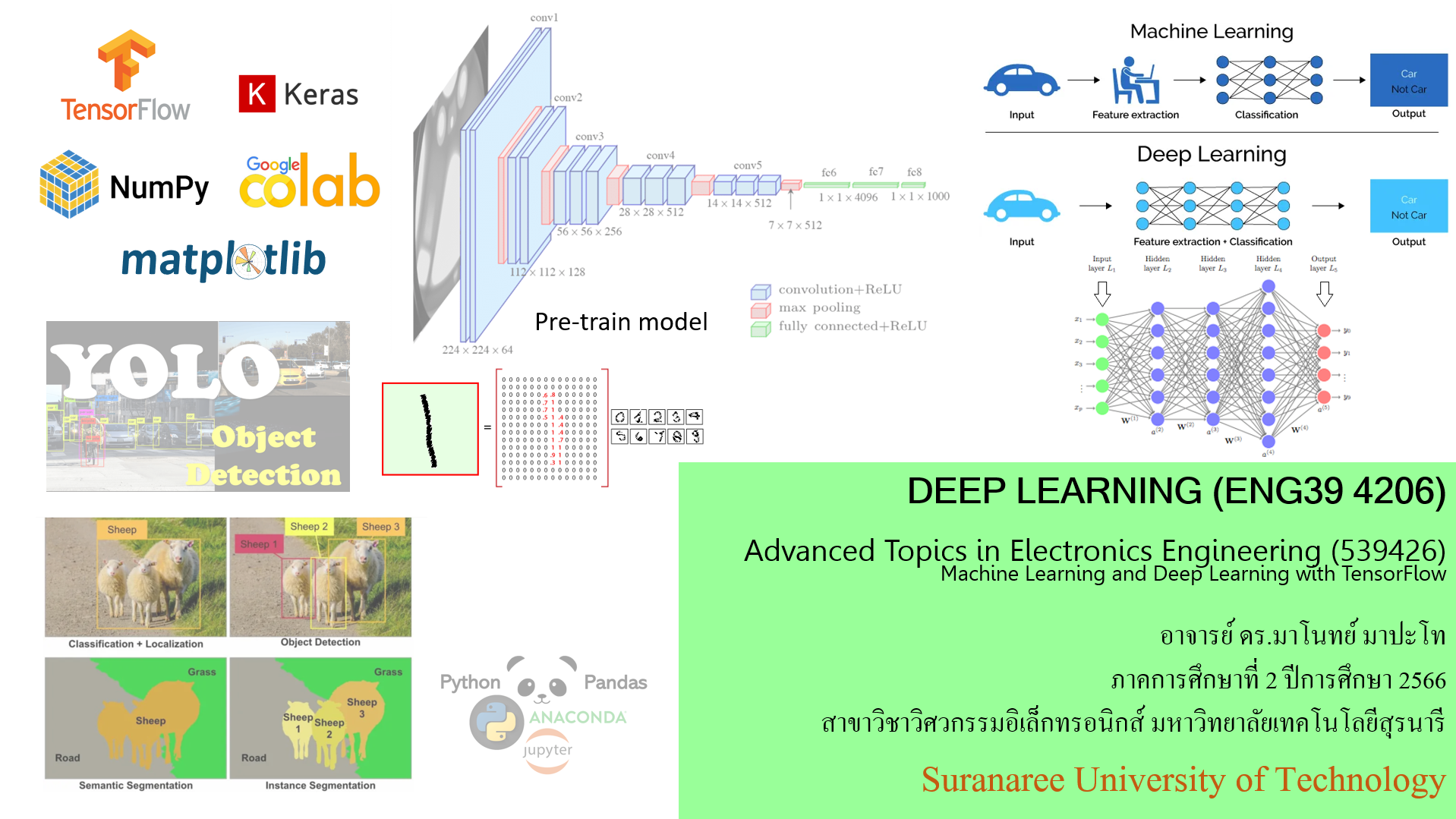
หลักสูตรนี้มุ่งเน้นไปที่การประมวลผลภาพและการมองเห็นของคอมพิวเตอร์ ซึ่งเน้นไปที่การศึกษาวิธีการที่ช่วยให้เครื่องจักรมีความสามารถในการเรียนรู้และวิเคราะห์ภาพและวิดีโอ หัวข้อที่จะกล่าวถึง ได้แก่ ความรู้เบื้องต้นเกี่ยวกับการประมวลผลภาพและการมองเห็นด้วยคอมพิวเตอร์ ประเภทและรูปแบบของภาพดิจิทัล การกำหนดขอบเขตเงื่อนไข การประมวลผลภาพโดยการเปลี่ยนแปลงรูปร่างหรือโครงสร้างของภาพ การปรับปรุงคุณภาพของภาพ เทคนิคการปรับตั้งค่ากล้องและแสง เทคนิคการรู้จำรูปร่างและรู้จำรูปแบบ การตรวจจับ ตัดแบ่งขอบเขต ระบุตำแหน่ง และรู้จำวัตถุที่ต้องการในภาพ การเขียนโปรแกรมคอมพิวเตอร์สำหรับการมองเห็นของเครื่องจักร การเชื่อมต่ออุปกรณ์ควบคุมกับระบบการมองเห็นของเครื่องจักร โครงงานออกแบบระบบมองเห็นของเครื่องจักร
ผลสัมฤทธิ์การเรียนรู้
- อธิบายหลักการการประมวลภาพและการควบคุมระบบการมองเห็นของเครื่องจักร
- เขียนโปรแกรมเพื่อเชื่อมต่ออุปกรณ์ควบคุมกับระบบมองเห็นของเครื่องจักรได้
- ประยุกต์ใช้ความรู้การประมวลผลภาพและคอมพิวเตอร์วิทัศน์ในการแก้ปัญหาการมองเห็นของเครื่องจักรที่ได้รับมอบหมายได้
Image Processing and Computer Vision
Prerequisite : none
This course focuses on image processing and computer vision focuses on studying methods that allow a machine to learn and analyze images and video. Topics to be covered include introduction to image processing and computer vision, digital image type and format, boundary description, image enhancement, camera and lighting adjusting technique, technique on shape recognition and pattern recognition, object detection, image segmentation, specify the location, and object recognition in the image, computer program for machine vision, interface machine vision with controller, design machine vision projects and apply machine vision systems to solving engineering problems.
Learning outcomes
- Describe principles of image processing and machine vision control.
- Write computer program for connecting controller and machine vision system.
- Apply computer vision and image processing knowledge to designing and implementing algorithms to a given machine vision problem.

ประเภท: Miscellaneous
This course emphasizes academic, text-based and themed reading from different disciplines. The reading process, which requires critical thinking and decision-making in the use of evidence, sources, and rhetorical modes is introduced through various types of learning activities and class discussions.
By the end of the course, students will be able to
- recognize different genres of reading passages
- identify the main ideas and details of the passages
- demonstrate critical thinking and reading skills by writing summaries and expository paragraphs and essays in response to course readings


ศึกษาการออกแบบอัลกอริทึมที่ใช้แนวคิดเชิงนามธรรมเพื่อแก้ปัญหาหรืออธิบายการทำงานที่พบในชีวิตจริง การออกแบบและเขียนโปรแกรมที่มีการใช้ตัวแปร เงื่อนไข วนซ้ำ การออกแบบอัลกอริทึม เพื่อแก้ปัญหาทางคณิตศาสตร์ วิทยาศาสตร์อย่างง่าย การเขียนโปรแกรมโดยใช้ซอฟต์แวร์ Scratch, python, java และ c เป็นต้น ศึกษาการรวบรวมข้อมูลจากแหล่งข้อมูลปฐมภูมิ ประมวลผล สร้างทางเลือก ประเมินผล ตลอดจนใช้เทคโนโลยีสารสนเทศอย่างปลอดภัย การจัดการอัตลักษณ์ การพิจารณาความเหมาะสมของเนื้อหา ใช้สื่อและแหล่งข้อมูลตามข้อกำหนดและข้อตกลงได้อย่างมีประสิทธิภาพ
โดยอาศัยกระบวนการเรียนรู้โดยใช้การคิดเชิงคำนวณและปัญหาเป็นฐาน (Problem – based Learning) เพื่อเน้นให้ผู้เรียนได้ลงมือปฏิบัติ ฝึกทักษะการคิด เผชิญสถานการณ์การแก้ปัญหาวางแผนการเรียนรู้ ตรวจสอบการเรียนรู้ และนำเสนอผ่านการทำกิจกรรมโครงงาน เพื่อให้เกิดทักษะ ความรู้ ความเข้าใจ และทักษะในการวิเคราะห์โจทย์ปัญหา จนสามารถนำเอาแนวคิดเชิงคำนวณมาประยุกต์ใช้ในการสร้างโครงงานได้
เพื่อให้ผู้เรียนมีความรู้ความเข้าใจ การนำข้อมูลปฐมภูมิเข้าสู่ระบบคอมพิวเตอร์ วิเคราะห์ ประเมิน นำเสนอข้อมูลและสารสนเทศ ได้ตามวัตถุประสงค์ ใช้ทักษะการคิดเชิงคำนวณในการแก้ปัญหาที่พบในชีวิตจริง และเขียนโปรแกรมอย่างง่าย เพื่อช่วยในการแก้ปัญหา ใช้เทคโนโลยีสารสนเทศและการสื่อสารอย่างรู้เท่าทันและรับผิดชอบต่อสังคม ตลอดจนนำความรู้ความเข้าใจในวิชาวิทยาศาสตร์ และเทคโนโลยีไปใช้ให้เกิดประโยชน์ต่อสังคม และการดำรงชีวิต จนสามารถพัฒนากระบวนการคิดและจินตนาการ ความสามารถในการแก้ปัญหาและการจัดการทักษะในการสื่อสาร และความสามารถในการตัดสินใจ และเป็นผู้ที่มีจิตวิทยาศาสตร์ มีคุณธรรม จริยธรรม และค่านิยมในการใช้วิทยาศาสตร์และเทคโนโลยีอย่างสร้างสรรค์
ประเภท: เทอม 1
1. ข้อสอบมีทั้งหมด 65 ข้อ รวม 20 คะแนน โดยแสดงโจทย์ผ่านระบบ SUT e-learning
ตอนที่ 1 การสืบพันธุ์ของพืชดอก แบบตัวเลือก มี 20 ข้อ
ตอนที่ 2 การควบคุมการเจริญเติบโตและการตอบสนองของพืช แบบตัวเลือก มี 20 ข้อ
ตอนที่ 3 โครงสร้างและการเจริญเติบโตของพืชดอก มี 25 ข้อ
2. ข้อสอบเป็นแบบสุ่ม นักเรียนไม่สามารถย้อนกลับมาทำได้
ประเภท: เทอม 1
- ข้อสอบมีทั้งหมด 38 ข้อ รวม 24 คะแนน โดยแสดงโจทย์ผ่านระบบ SUT e-learning
- ให้เขียนชื่อ - นามสกุล ชั้น เลขประจำตัวนักเรียน ในกระดาษคำตอบทุกหน้า
- กระดาษคำตอบให้ใช้เป็นกระดาษเปล่าขนาด A4 เท่านั้น โดยต้องแสดงวิธีทำ การเติมคำตอบ และการคำนวณทั้งหมด ให้ทดในที่ว่างภายในกระดาษคำตอบ
- การถ่ายรูปกระดาษคำตอบ ต้องมีความคมชัด แสงสว่างเพียงพอ ไม่ตัด หรือขาดส่วนใดส่วนหนึ่งของกระดาษคำตอบออกไป
- ไม่อนุญาตให้นำหนังสือ หรือเนื้อหาข้อความอื่นใดที่เกี่ยวข้องกับรายวิชาเข้าในการสอบ
- อนุญาตให้ใช้เครื่องคิดเลขในการทำข้อสอบได้
ประเภท: เทอม 1
สำหรับศึกษาเอกสารการสอน/ติวสอบ และ vdo
สำหรับนักศึกษาที่สนใจเข้า E-learning นี้
ขอให้ติดต่อขอรหัสในการเข้า ที่อีเมล supattra.jia@sut.ac.th อาจารย์ ดร.สุพัตรา เจียวก๊ก
หรือ นางสาวสิริกาญจน์ ทองไหม (พี่เฌอแตมป์) นะคะ
ทั้งนี้ E-learning นี้ เป็นส่วนหนึ่งของ กิจกรรมการเตรียมความพร้อมในการสอบ CEFR สำหรับนักศึกษา หลักสูตรวิทยาศาสตรบัณฑิต สาขาวิชาอนามัยสิ่งเเวดล้อม
กรณีนักศึกษาสาขาวิชาอื่นที่สนใจเข้าศึกษาข้อมูลสามารถติดต่อขอเข้า E-learning นี้ได้คะ

ประเภท: Demo
English for Communication I (IST30 1101)
Trimester 1/2021
Course coordinator: Dr. Sirinthorn Seepho
Contacts: E-mail: sirin@sut.ac.th and Tel.: 089-204-6963
Objectives:
1. To develop student’s ability for effective and natural communication in both
social and academic settings
2. To promote integrated skills with primary emphasis on listening and speaking
skills
3. To improve communication management and language learning strategies to
become effective communicators
4. To promote active learning in students through topics relevant to their
interests and experiences
5. To introduce autonomous learning using various up-to-date and useful
resources
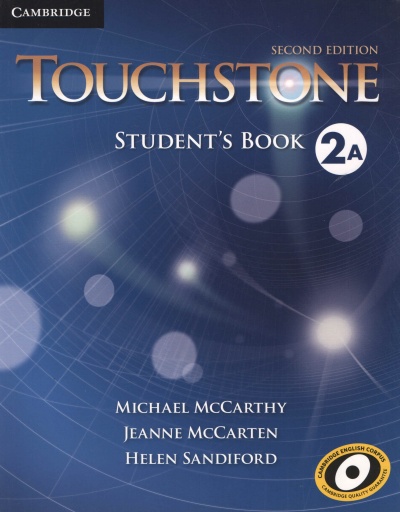
To answer the principle of language learning in the present global society, the main purpose of this course is to encourage the students to acquire language for communicative purposes, which includes precise knowledge of vocabulary, sentence structure, and appropriate tone of voice according to culture and language manner of the native speakers. In addition, the content mainly concerns with the language in daily basis such as travelling, health and welfare, sport, entertainment, asking and receiving the helps and services by various activities in and outside classroom. Moreover, student will also be encouraged to use the language as an important stepping-stone to explore and enhance his/her own interested career path.

ประเภท: เทอม 2
Objectives:
1.To develop student’s ability for effective and natural communication in both social and academic settings
2. To promote integrated skills with primary emphasis on listening and speaking skills
3. To improve communication management and language learning strategies to become effective communicators
4. To promote active learning in students through topics relevant to their interests and experiences
5. To introduce autonomous learning using various up-to-date and useful resources
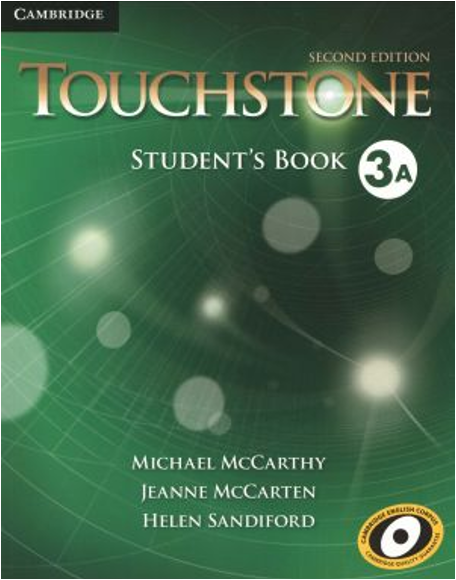
Learning area for this course emphasizes the ability to use English language to identify the main idea, analyze the essence, conclude, interpret and express opinions from listening and reading feature articles and materials as well as provide justifications and examples for illustration. Moreover, the students will learn how to reasonably communicate and fluently express their plans for various situations both formal and informal ways.
All language skills; speaking, listening, reading, and writing, are included in both individual and group practice activities such as writing reflection, self-evaluation, oral presentation, conversing meaningful dialogue, role-play, and skit. Group discussion will focus on explaining and discussing about the differences of lifestyles, thoughts, beliefs, original of customs, language structures, idioms, proverbs, saying between Thai and foreign cultures.

ประเภท: เทอม 2
วิชาบังคับก่อน (Prerequisite):
ENG22 3007 วิศวกรรมจราจร และ
ENG22 3008 ปฏิบัติการวิศวกรรมจราจร
คำอธิบายรายวิชา (Course Description):
ระบบและหน้าที่ของทางหลวง เกณฑ์การออกแบบซึ่งประกอบด้วยลักษณะของ ยานพาหนะ ผู้ใช้ถนน และการจราจร ระยะมองเห็นปลอดภัยส าหรับองค์ประกอบของถนนและบริเวณทางแยก การวิเคราะห์ความจุและระดับการให้บริการของถนน การออกแบบองค์ประกอบของสายทางเชิงเรขาคณิต หลักการออกแบบทางแยกและทางต่างระดับ
ผลลัพธ์การเรียนรู้ที่คาดหวังระดับรายวิชา (Course Learning Outcomes):
- อธิบายและจำแนกทางหลวงตามหน้าที่
- อธิบายเกณฑ์การออกแบบซึ่งประกอบด้วยลักษณะของยานพาหนะ ผู้ใช้ถนน และการจราจร
- ประยุกต์ใช้หลักการทางวิทยาศาสตร์พื้นฐานในการประมาณระยะมองเห็นปลอดภัยสำหรับองค์ประกอบของถนนและบริเวณทางแยกได้
- วิเคราะห์หาความจุและระดับการให้บริการของถนน
- ออกแบบองค์ประกอบเชิงเรขาคณิตของสายทาง
- อธิบายหลักการออกแบบทางแยกและทางต่างระดับ
E-Learning สำหรับวิชา ENG25 3130 กลศาสตร์ของเครื่องจักรกล สำหรับนักศึกษาสาขาวิศวกรรมเครื่องกลชั้นปีที่ 3