ประเภท: Miscellaneous
ผลการค้นหา: 924
Stress – strain relationships; Elastic behavior, stress analysis in two and three dimensions; Yield criteria; Plastic behavior and dislocation, Factors affecting deformation in metals; Strengthening mechanisms, Fracture, Standard mechanical testing: hardness, compression, tensile, creep, torsion, bending, impact testing; Introduction to fracture mechanics and fail - safe design; Fatigue life assessment, S-N curve, fatigue crack growth, Factors affecting mechanical properties of metals and selection
ประเภท: Miscellaneous
Technical English for engineers in industrial workplace; Practicing technical terms, making usable vocabulary list; Report daily routine, memo, e-mailing; Exchange technical information, work instruction and planning; Meeting conversations, preparing meeting minutes; Guidelines for technical seminar; Presentation of technical data using visual aids and digital media; Body language and pronunciation.

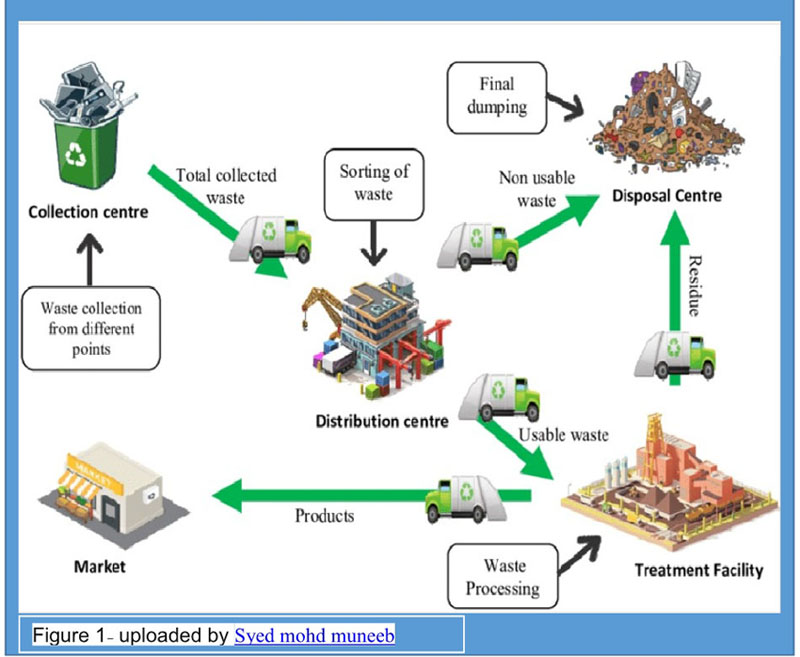
แนะนำขอบเขตสาขาวิชาวิศวกรรมสิ่งแวดล้อม โดยมีเนื้อหาครอบคลุมกฎหมายและข้อบังคับเกี่ยวกับสิ่งแวดล้อม มลภาวะกับผลกระทบต่อสุขอนามัย การรวบรวมและการกำจัดขยะมูลฝอย การสุขาภิบาลภายในอาคาร การจัดการมลพิษทางอากาศและเสียง แหล่งน้ำและการผลิตน้ำประปาสำหรับชุมชนเมืองและชุมชนในชนบท การรวบรวมและการบำบัดน้ำเสีย

This course mainly covers fundamental fluid mechanics and water resources engineering that is necessary for environmental engineering students. Lectures consist of properties of fluids, static force, dynamic and kinetics of fluid, energy and Bernoulli’s equation, flow in pipe, open channel flow, hydraulic pressure, flow measurement, fundamental resource engineering, hydrologic cycle, water distribution, runoff and storm drain, probability and risk in hydraulic design, pumps


Course description
This course will provide the basic of wastewater engineering design. Topics include laws and regulations governing wastewater control, wastewater characteristics, wastewater collection systems, treatment plant layout, and treatment plant design. The design section also includes the topics of physical, chemical and biological treatment units, sludge treatment, and on-site treatment.
ENG32 3307 สารสนเทศภูมิศาสตร์ และการทำแบบก่อสร้างสำหรับวิศวกรรมสิ่งแวดล้อม
GIS and Construction Drawings Preparation for Environmental Engineering
ความสัมพันธ์ของแบบจำลองสารสนเทศภูมิศาสตร์ และตำแหน่งที่มีอยู่จริงบนพื้นโลก และการนำเสนอแผนที่ แบบจำลองเชิงพื้นที่ การแปลปัญหาเข้าสู่ระบบสารสนเทศภูมิศาสตร์ การนำเข้าข้อมูล การจัดการฐานข้อมูล และ การใช้ระบบสนเทศภูมิศาสตร์ในการแก้ปัญหางานด้านสิ่งแวดล้อมกรณีศึกษา กฎหมายเกี่ยวกับงานก่อสร้าง ขั้นตอนการก่อสร้าง สัญลักษณ์แบบในงานก่อสร้าง การอ่านแบบในงานก่อสร้าง โปรแกรมที่ใช้ในงานทำแบบก่อสร้าง การสำรวจในการก่อสร้าง การฝึกปฏิบัติเขียนแบบระบบงานสุขาภิบาล การฝึกปฏิบัติเขียนแบบระบบควบคุมมลพิษ

ทฤษฎีความน่าจะเป็น ตัวแปรสุ่ม การแจกแจงความน่าจะเป็น การสุ่มตัวอย่าง การประมาณค่าและการทดสอบสมมติฐาน การวิเคราะห์ความแปรปรวน การประยุกต์หลักสถิติเพื่อใช้ในงานวิศวกรรม
สรุปหลักการโดยย่อทางเศรษฐศาสตร์โดยเน้นเรื่องดอกเบี้ยและค่าของเงินที่เปลี่ยนไปตามเวลา การวิเคราะห์และเปรียบเทียบการลงทุนแบบต่างๆ สำหรับโครงการทางวิศวกรรม เช่น การวิเคราะห์จุดคุ้มทุน การคิดค่าเสื่อมราคา การประเมินการทดแทน ความเสี่ยงและความไม่แน่นอน การวิเคราะห์ผลที่เกิดขึ้นภายหลังจากหักภาษีเงินได้
1. Description:
รายวิชานี้จะเรียนเกี่ยวกับพื้นฐานการใช้โปรแกรม AutoCAD เน้นการออกแบบและเขียน แบบชิ้นงานกลเป็นหลัก โดยจะเริ่มศึกษาเครื่องมือและฟังก์ชันพื้นฐานที่จำเป็น คำสั่งของโปรแกรม การเขียน รูปพื้นฐานในสองและสามมิติ การเขียนแบบโดยการวางหลายชั้น การสร้างเอกสารแบบสั่งงานสำหรับวิศวกร
Philosophy of computer-based design using AutoCAD emphasise on design and create mechanical parts. Study the function and essential commands of AutoCAD, basics of drawing in 2D and 3D, the practice of multiple layers for mechanical drawing.
2. Credits: 2(1-3-5)
3. Prerequisites or co-requisites:
None
4. Course Type: Technical Elective
5. Course Instructor: Asst. Prof. Dr. Prasert Aengchuan,
E-mail prasert.a@g.sut.ac.th, Tel. 4272
6. Classroom/Teaching Platform: Facebook Group, SUT e-Learning
Facebook Group: ENG35 4507 AUTOCAD FOR ENGINEERING
Google Classroom: ENG35 4507 AUTOCAD FOR ENGINEERING
7. Teaching-Learning Materials:
8. Course Learning Outcomes (CLOs)
CLO1 สามารถใช้โปรแกรมออโตแคดเขียนแบบรูปพื้นฐานในสองและสามมิติได้
Ability to apply AutaCAD package to create drawings in 2D and 3D.
CLO2 สามารถเขียนแบบโดยการวางหลายชั้นในออโตแคดได้
Ability to create multiple layers in AutoCAD.
CLO3 สามารถสร้างแบบทางวิศวกรรมให้เป็นไปตามมาตรฐานของแบบวิศวกรรมทาง อุตสาหกรรม
Ability to create mechanical drawings according to industry standards.
บทนำเกี่ยวกับเกี่ยวทฤษฎีฟัซซี่เซต ทฤษฎีเซตแบบดั้งเดิม แนวคิดเบื้องต้นและคุณสมบัติของฟัซซี่ ความสัมพันธ์แบบดั้งเดิม ความสัมพันธ์แบบฟัซซี่ เลขคณิตเชิงฟัซซี่ ฟัซซี่ลอจิก กลไกการอนุมานของฟัซซี่ลอจิก การประยุกต์ใช้ฟัซซี่ลอจิกด้วยโปรแกรมแมทแลบ กรณีศึกษาด้านวิศวกรรม
Introduction to fuzzy sets theory, classical sets theory, basic concepts and properties of fuzzy sets, classical relations, fuzzy relations, fuzzy arithmetic, fuzzy logic, fuzzy inference system, fuzzy logic applications with MATLAB, case study for engineering problems.
หลักการและเทคนิคมูลฐานของการวิเคราะห์โครงการทางวิศวกรรมในเชิงเศรษฐศาสตร์ สำหรับวิชาชีพวิศวกรรม การเปลี่ยนค่าของเงินตามเวลา สูตรดอกเบี้ยและการแก้ปัญหาดอกเบี้ย การวิเคราะห์และการเปรียบเทียบโครงการโดยวิธีต่างๆ อัตราผลตอบแทนจากการลงทุน การวิเคราะห์การทดแทนทรัพย์สิน การคิดค่าเสื่อมราคา การวิเคราะห์จุดคุ้มทุน การประเมินการลงทุนโครงการทางวิศวกรรมภายใต้สภาวะความเสี่ยงและความไม่แน่นอน กรณีศึกษาในทางวิศวกรรม
การศึกษาหรือค้นคว้าปัญหาเฉพาะที่ได้รับมอบหมายจากผู้สอน ด้วยความเห็นชอบของหัวหน้าสาขาวิชา งานดังกล่าวจะต้องสำเร็จในหนึ่งภาคการศึกษา โดยต้องส่งเอกสารรายงานเพื่อเก็บรักษาไว้ที่สาขาวิชา และต้องมีการสอบปากเปล่า
คุณสมบัติเชิงวิศวกรรมของดิน การตรวจวัดและการจำแนกดิน การวิเคราะห์ความเค้นและความเครียด กฎเกณฑ์การแตก การวิเคราะห์เสถียรภาพ การประยุกต์ทางด้านธรณีเทคนิคสำหรับการขุดเจาะดิน (Physical and engineering properties of soil, soil properties measurements and classification, soil investigation, stress-strain analysis, soil strength criteria, stability analysis, and geotechnical application to soil engineering works.)