ผลการค้นหา: 924


Backward journeys of food in the market. The course covers how food arrives at end users from the beginning, starting at farms and going backward in the sequence, exploring how science and technology are involved. This includes, for example, how food is stored on shelves, the management of food on shelves, delivery of food products from factories, food production on an industrial scale, preparation and preservation of raw materials for food production, delivery of raw materials from farms to factories, animal and crop production, harvesting processes, and obtaining animal and crop breeds. The emphasis is also on how food can be obtained from multiple production approaches such as safe agriculture and organic agriculture. The course highlights the fact that science and technology are involved in all processes and management. Furthermore, it emphasizes leading students to identify opportunities and risks in food supply chains and food businesses. It covers the evolution of technology and innovation involved, the effects of global changes on food businesses, and relevant regulations. This course serves as a brief introduction to the 4-year program.
Course Learning Outcomes (CLOs):
Upon successful completion of this course, students must be able to:
- Understand an overview of the food production chain and its significance in Food and Agriculture Business.
- Explain the linkages of science and technology in the food production chain and Agribusiness.
- Identify the opportunities and risks in the food production chain within the realm of food and agriculture.
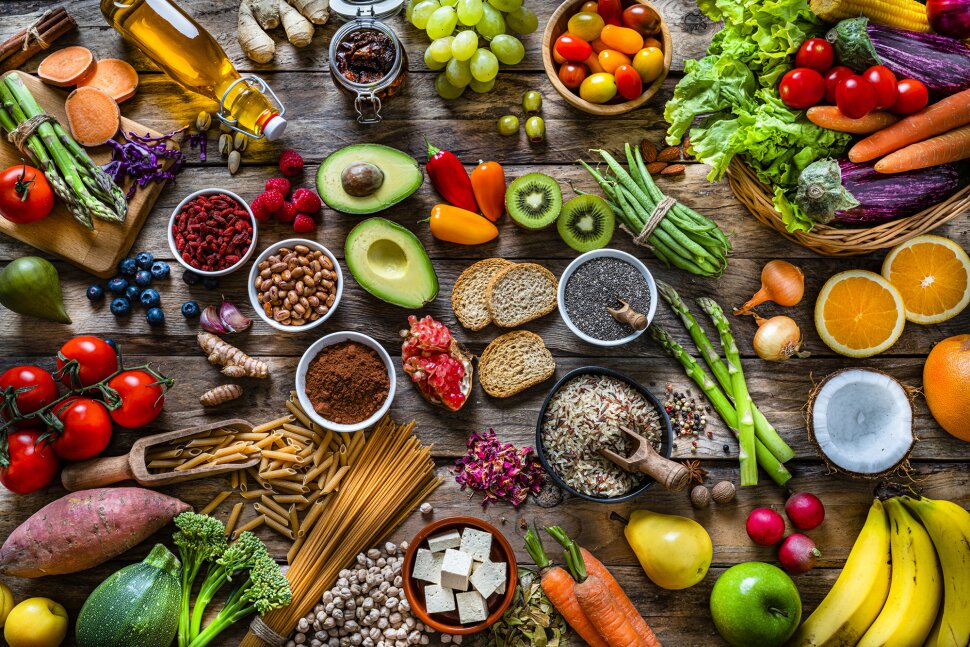
This course will focus on three areas as follow: 1) Food preservation using low heat (mild process) such as chilling or freezing, the reduction of water activity, drying, concentration and hurdle technology. 2)Food preservation using heat treatment such as pasteurization, cooking and blanching. 3) Food prevention using packaging.
Course Learning outcomes (CLOs)
Having successfully completed this course, student must be able to :
1. The students will be able to know and understand about technology in food preservation.
2. The students will be able to selected appropriate technology for food preservation.
IAT31 1206 Art of storytelling 3(2-3-4)
Prerequisite: None
This course will develop students to understand communication skills in various ways, focusing on learning the principles and procedures of communication. In order for students to be able to effectively convey the content or message they need in a complete process both online and on ground. Not only develop students to be media creators but also provides an understanding of the dimensions of design, creativity, and distribution by the application of information technology and computer.
Course Learning outcomes (CLOs)
Having successfully completed this course, student must be able to:
1. Understand the principles and procedures of communication.
2. Able to lecture, analyze, critique case.
3. Able to use information technology and computer for searching information and presentation.

This course presents communication skills and principles with a strong focus on message awareness. Learners will understand the views of the audience through various conditions and factors such as the process of understanding the media, understanding the meta model, as well as the assessment of the awareness situation to create the media and presentation to achieve their objectives in different situations by the application of information technology and computer. Students will also learn deep communication skills in various dimensions.
Course Learning outcomes (CLOs)
Having successfully completed this course, student must be able to :
1. Understand the principles with a strong focus on message awareness.
2. Understand the views of the audience through various conditions and factors.
3. Able to use information technology and computer for searching information and presentation.

The system of crop production and agricultural standard, plant growth and development, plant varieties and plant breeding, management of soil, water and plant nutrients, plant pest controls, postharvest managements and field trip at private sector.
หลักการและแนวปฏิบัติในการผลิตพืช พันธุกรรมพืช การเจริญเติบโตและการพัฒนาของพืช กระบวนการทางสรีรวิทยาของพืช การปรับปรุงพันธุ์พืช การขยายพันธุ์พืช เทคโนโลยีเมล็ดพันธุ์ เทคโนโลยีหลังการเก็บเกี่ยว และการผลิตพืชสมัยใหม่โดยใช้เทคโนโลยีและนวัตกรรม
Principles and practices in plant production, plant genetics, plant growth and development. plant physiological processes plant breeding plant propagation seed technology post-harvest technology and modern crop production using technology and innovation.
หลักการและแนวปฏิบัติในการจัดการปัจจัยด้านสิ่งแวดล้อมที่มีอิทธิพลต่อการเจริญเติบโต และการให้ผลผลิตของพืช การจัดการดิน น้ำ และธาตุอาหารพืช การจัดการศัตรูพืช ได้แก่ โรคพืช แมลงศัตรูพืช และวัชพืช ผลเสียและผลกระทบของศัตรูพืชต่อพืชปลูก เทคโนโลยีและนวัตกรรมที่เกี่ยวข้องกับการจัดการศัตรูพืช
Principles and practical manners of environmental factors on crop growth and productivity. Soil, water, and nutrient management. Plant pest management, including plant disease, insect pest and weed management. The negative effects and impacts of plant pests on crops. Innovation and technology on plant pest controls.
Practices in plant production, plant genetic and breeding, plant growth and development, plant physiological processes, plant propagation, management of soil water and plant nutrition, seed technology, pest management, and postharvest management as well as applying modern technology and innovation for crop production.
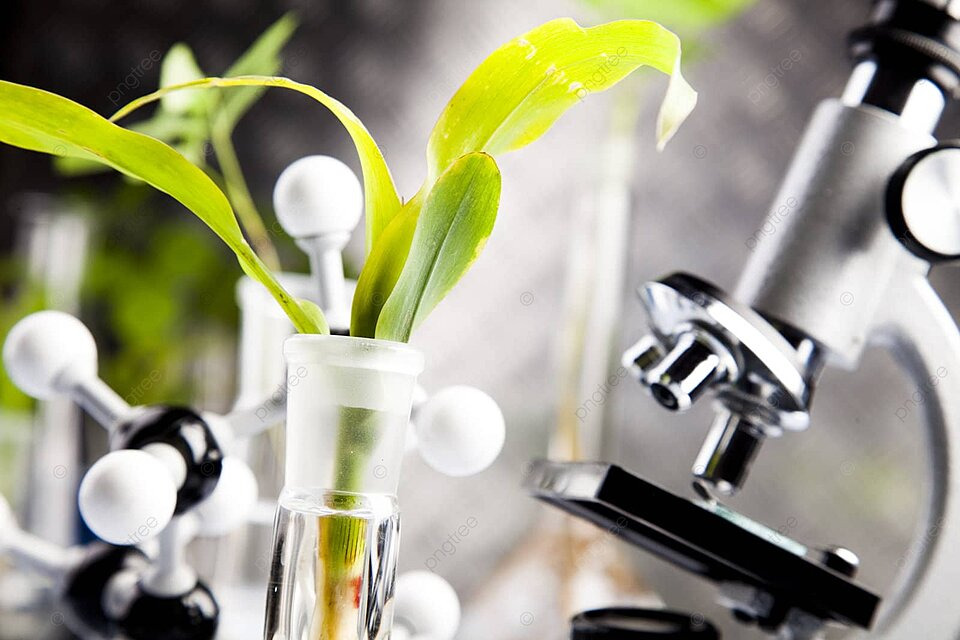
องค์ประกอบของพืชและกระบวนการทางสรีรวิทยาในการเจริญเติบโตและพัฒนาตั้งแต่การงอกของเมล็ด การเจริญเติบโตทางด้านลำต้นและใบ ไปจนถึงการให้ผลผลิต การสุกแก่และการเสื่อมสภาพของผลผลิต
Plant structures and physiological processes involving plant growth and development from seed germination to vegetative growth, reproductive growth, maturity and senescence.
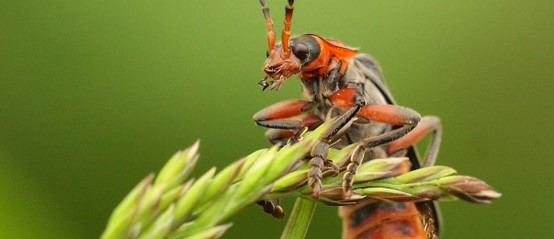
ความรู้เรื่องพืชต้านทานต่อแมลงศัตรูพืช สารเคมีในพืชที่เกี่ยวข้องกับปฏิกิริยาต่อแมลง ส่วนที่สร้างและบริเวณที่พบ และกระบวนการสังเคราะห์สาร หลักการค้นหาพืชอาศัยของแมลง ปฏิกิริยาและกลไกของความต้านทานของพืชต่อการทำลายของแมลง พฤติกรรมของแมลงต่อความต้านทาน การปรับปรุงพันธุ์พืชต้านทานต่อแมลงและเทคโนโลยีทางพันธุวิศวกรรม การใช้พืชต้านทานแมลงในการบริหารศัตรูพืช

การสร้างเมล็ด องค์ประกอบทางเคมีของเมล็ดพันธุ์ การพัฒนาและการสุกแก่ของเมล็ดพันธุ์ กระบวนการงอก รูปแบบการงอก ปัจจัยที่ต้องการในการงอกของเมล็ดพันธุ์ การเคลื่อนย้ายอาหารสะสมในเมล็ดขณะงอก การเกิดการพักตัวของเมล็ดพันธุ์ระหว่างการพัฒนาของเมล็ด กลไกการพักตัว ประเภทของการพักตัวและวิธีการแก้การพักตัวของเมล็ดพันธุ์ กระบวนการเสื่อมคุณภาพของเมล็ดพันธุ์ ความแข็งแรงและความมีชีวิตของเมล็ดพันธุ์ ความสามารถในการเก็บรักษา และการส่งเสริมคุณภาพเมล็ด
Seed structure, chemical composition of seed, seed development and maturity; germination processes, patterns of seed germination, factors for requirements germinating, food reserve mobilization, transportation, dormancy during seed development, categories of seed dormancy, seed dormancy mechanisms, and techniques for releasing seed dormancy, seed deterioration processes, seed vigor and its viability, seed storability, and seed enhancement.
วิเคราะห์การผลิตเมล็ดพันธุ์เชิงธุรกิจจากผู้บรรยาย การศึกษาข้อมูลและดูงานในเรื่องโครงการ เมล็ดพันธุ์ของประเทศ อุตสาหกรรมเมล็ดพันธุ์ระดับประเทศและนานาชาติ โดยครอบคลุมเนื้อหาด้านการวางแผนการ ผลิตเมล็ดพันธุ์ การจัดการผลิต ระบบการประกันคุณภาพ และแนวโน้มการตลาดของเมล็ดพันธุ์ได้
การศึกษาเฉพาะด้านเกี่ยวกับเทคโนโลยีเมล็ดพันธุ์สมัยใหม่ หัวข้อเปลี่ยนแปลงในแต่ละภาคการศึกษา ตามความเหมาะสม ความทันสมัย และความสนใจของผู้เรียน Individual study in modern seed technology, topics vary from trimester to trimester according to suitability modernity and the learners interest.

IAT32 6801 สัมมนามหาบัณฑิต 1 1(1-0-2)
วิชาบังคับก่อน : ไม่มี
การนำเสนอและอภิปรายเชิงปริทัศน์ ทางด้านพืชศาสตร์ที่เกี่ยวข้องกับวิทยานิพนธ์ระดับมหาบัณฑิต การคัดเลือกข้อมูลจากบทความ รายงานการวิจัย และแหล่งข้อมูลอื่น ๆ การคิดวิเคราะห์ และสรุปประเด็นสำคัญ
การจัดเตรียมสื่อประกอบการสัมมนาและบทคัดย่อ
ผลลัพธ์การเรียนรู้ที่คาดหวังระดับรายวิชา (CLOs)
นักศึกษาที่ผ่านรายวิชานี้มีความสามารถ ดังนี้
1.สืบค้นข้อมูลทางด้านพืชศาสตร์และศาสตร์อื่น ๆ ที่เกี่ยวข้อง และคัดเลือกเพื่อนำมานำเสนอในการสัมมนา รวมถึงใช้เพื่อการอภิปรายได้
2.วิเคราะห์และแปลความหมายทางสถิติ รวมถึงวิเคราะห์และสังเคราะห์องค์ความรู้ทางด้านพืชศาสตร์และศาสตร์อื่น ๆ ที่เกี่ยวข้อง เพื่อการสัมมนาและการอภิปรายได้
3.ใช้โปรแกรมประยุกต์ที่เหมาะสมในการจัดทำสื่อประกอบการสัมมนาและจัดทำบทคัดย่อใช้ รวมทั้งสามารถใช้ภาษาอังกฤษในการสื่อสารทั้งการเขียนบทคัดย่อ การสัมมนา และอภิปรายเนื้อหาที่เกี่ยวข้องได้
4.มีความรับผิดชอบ ตรงต่อเวลา และมีจรรยาบรรณทางวิชาการ
IAT32 6801    M.Sc. Seminar I                                                                     1(1-0-2)
Prerequisite : None
           Presentation and discussion on reviewed articles on crop science subjects related to M.Sc. thesis topic. Selection, analysis, and summarization
of materials from articles, research reports, and other sources and create the presentation aids and abstract.
Course Learning Outcomes (CLOs)
1.Having successfully completed the course, the student must be able to:
2.Acquire the information on crop science and related fields and then select this information for a seminar and discussion.
3.Correctly interpret statistical data, as well as assess and synthesize information on crop science and related fields for a seminar and discussion.
4.Create a presentation and abstract using the appropriate software, and use English to prepare the abstract, deliver the presentation, and engage in related
topical discussion. Demonstrate responsibility, punctuality, and academic ethics.

IAT34 5221 Molecular Biology (term 2/2567)
Mandatory Assignment:
Before class: *Read assigned pages from Lehninger Principles of Biochemistry, 4th Edition
Students should set aside time to read the assigned pages from the textbook and find more information about the topics) and do the Quiz (homework). The quiz will be given in e-learning at least 4 days before the due date. Please submit the quiz before 10 am
Tuesday
10.00-12.00 Ask questions (submit the home work)
Quiz/Answer the quiz (by key staff)
Thursday
9.30 - 9.50 Ask questions
10.00-11.00 Student presentation (assigned topic) 2 students/ week
11.00-12.00 Discussion (all)
Course Learning Outcome (CLO)
1. To understand the principle of biological processes at the molecular level.
2. To apply the basic knowledge of molecular biology for use in research processes related
3. To enhance student creativity and know how to apply knowledge to solve their problems in research processes related to molecular biological processes.