ผลการค้นหา: 924
528403 และ 528416 วิศวกรรมความปลอดภัย 2 (2-0-4)
(Safety Engineering)
วิชาบังคับก่อน: โดยความเห็นชอบของสาขาวิชาฯ
หลักการเกี่ยวกับชีวอนามัย ความปลอดภัย และการป้องกันเชิงสิ่งแวดล้อม อันตรายจากเครื่องจักรกลและอุปกรณ์ป้องกัน อันตรายจากไฟฟ้าและอุปกรณ์ป้องกัน อันตรายจากอัคคีภัย การประทุ และวิธีป้องกัน ความปลอดภัยจากสารเคมีเป็นพิษและประทุได้ อันตรายจากความร้อนและการทำงานที่อุณหภูมิสูง กฎหมายเกี่ยวกับความปลอดภัย หลักการจัดการเรื่องความปลอดภัยในการทำงาน สาระสำคัญเกี่ยวกับความปลอดภัยและหลักจิตวิทยาในอุตสาหกรรม
ผลสัมฤทธิ์การเรียนรู้
เมื่อสิ้นสุดการเรียนรายวิชานี้ ผู้เรียนควรมีความสามารถด้านต่างๆ ต่อไปนี้
- สามารถวิเคราะห์สาเหตุของการเกิดอุบัติเหตุ และอันตรายที่เกี่ยวข้องกับการทำงานในลักษณะต่างๆได้
- สามารถเลือกอุปกรณ์ป้องกันภัยที่เหมาะสมกับลักษณะของการเกิดอันตรายได้อย่างมีประสิทธิภาพ
- จำแนกการบาดเจ็บและเลือกใช้วิธีปฐมพยาบาลที่เหมาะสมเพื่อลดอันตรายที่จะเกิดขึ้นกับผู้บาดเจ็บ
- มีจิตสำนึกเรื่องความปลอดภัยของตนเอง ผู้ร่วมงาน และสิ่งแวดล้อม
528403 Safety Engineering
Principles of health, safety and environmental protection, mechanical hazards and safeguarding, electrical hazards and safety, fire and explosion hazards and protection, toxic substances and explosive hazards and safety, heat and temperature hazards at work, safety laws, principle of safety management , element of industrial safety psychology.
Learning Outcomes
On completion of this course, the student should be able to
- Analysis the causes of accidents and hazards that can occur in workplaces,
- Properly selects safeguarding and protective equipment for different work environments.
- Identify the common injuries and correctly provide fist aids to the injured person.
- Become aware of the safety of oneself, collogues, and environment.
Couse Description
This course will cover the fundamentals of engineering design for plastic injection mold, mold cost estimation, and basic product design for injection molding manufacturing. Topics include mold type, structure, and standard components and theirs functions, design of balanced runners, design of gates, vents, cooling, and ejecting system, estimate mold shrinkage, mold material selection and maintenance.
Learning Outcomes
On completion of this course, the student should be able to
1. Explain the mold manufacturing process.
2. Identify classifications of molds, the considerations necessary for design, and the function of design components.
3. Estimate cost of plastic products, molds, and time for mold manufacturing
4. Design a system, component, or process to meet desired needs
5. Apply knowledge of mathematics, science, and engineering to analyze and solve engineering problem.
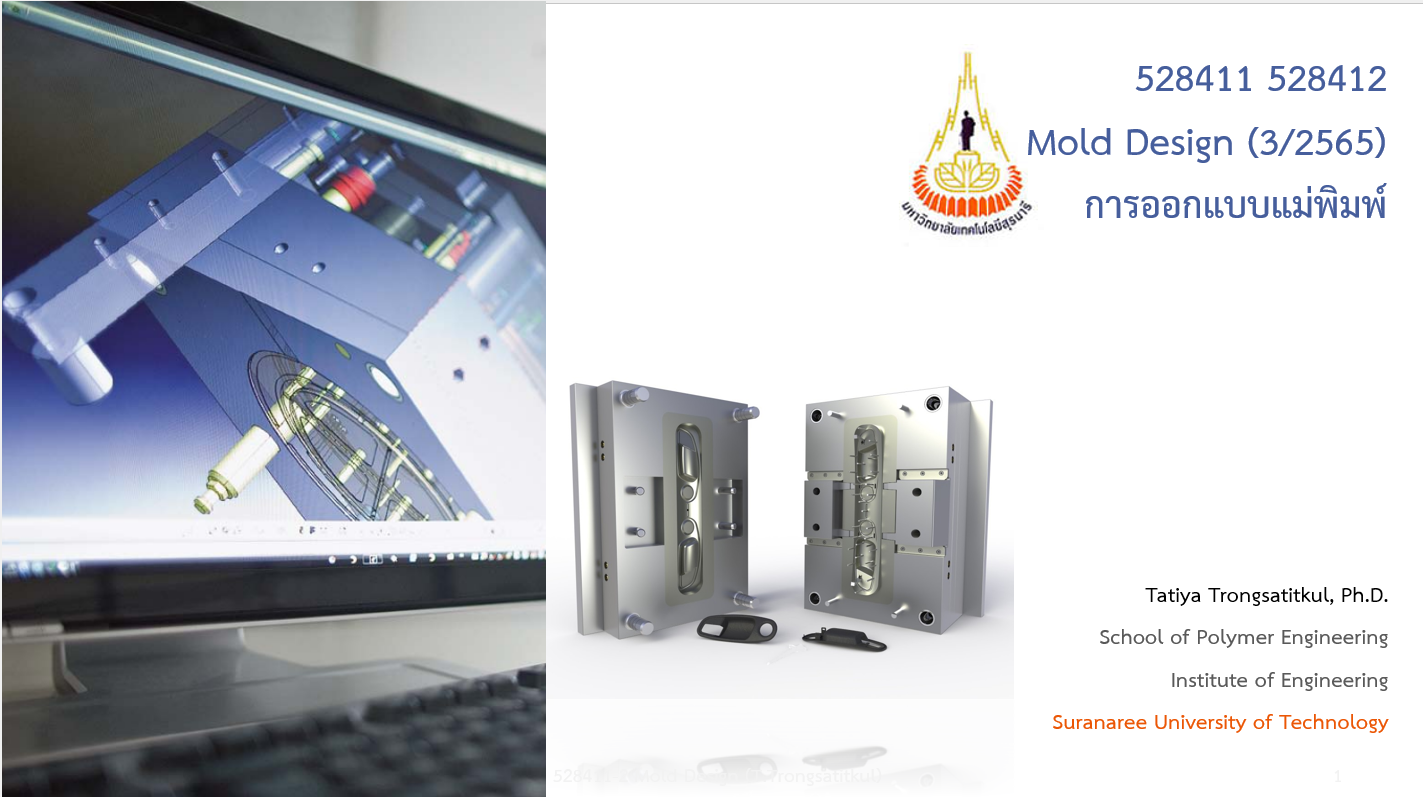
Couse Description
This course will cover the fundamentals of engineering design for plastic injection mold, mold cost estimation, and basic product design for injection molding manufacturing. Topics include: mold type, structure, and standard components and theirs functions, design of balanced runners, design of gates, vents, cooling, and ejecting system, estimate mold shrinkage, mold material selection and maintenance.

ชื่อวิชา วิศวกรรมความปลอดภัย
คำอธิบายรายวิชา
หลักการเกี่ยวกับชีวอนามัย ความปลอดภัย และการป้องกันเชิงสิ่งแวดล้อม อันตรายจากเครื่องจักรกลและอุปกรณ์ป้องกัน อันตรายจากไฟฟ้าและอุปกรณ์ป้องกัน อันตรายจากอัคคีภัย การประทุ และวิธีป้องกัน ความปลอดภัยจากสารเคมีเป็นพิษและประทุได้ อันตรายจากความร้อนและการทำงานที่อุณหภูมิสูง กฎหมายเกี่ยวกับความปลอดภัย หลักการจัดการเรื่องความปลอดภัยในการทำงาน สาระสำคัญเกี่ยวกับความปลอดภัยและหลักจิตวิทยาในอุตสาหกรรม
ผลลัพธ์การเรียนรู้ของหลักสูตรที่รายวิชารับผิดชอบ
PLO1: สามารถระบุประเด็นปัญหา หาแนวทางแก้ปัญหาทางวิศวกรรมพอลิเมอร์ที่ซับซ้อนได้ โดยประยุกต์หลักการทางด้านวิศวกรรมศาสตร์ วิทยาศาสตร์ และคณิตศาสตร์
PLO6: มีความเข้าใจความรับผิดชอบของวิศวกรตามกรอบมาตรฐานการปฏิบัติวิชาชีพและจรรยาบรรณแห่งวิชาชีพวิศวกรรมพอลิเมอร์ มีวิจารณญาณ การพิจารณาตัดสินใจ ที่ต้องคำนึงถึงผลกระทบต่อโลกเศรษฐกิจ-สังคม และสิ่งแวดล้อม
Course Description
Principles of health, safety and environmental protection, mechanical hazards and safeguarding, electrical hazards and safety, fire and explosion hazards and protection, toxic substances and explosive hazards and safety, heat and temperature hazards at work, safety laws, principle of safety management, element of industrial safety psychology.
Course Responsibility to Program Learning Outcome
PLO1: An ability to identify, formulate, and solve complex polymer engineering problems by applying principles of engineering science, and mathematics.
PLO6: An ability to recognize ethical and professional responsibilities in polymer engineering situations and make informed judgement, which must consider the impact of polymer engineering solutions in global, economic, environmental, and societal contexts.
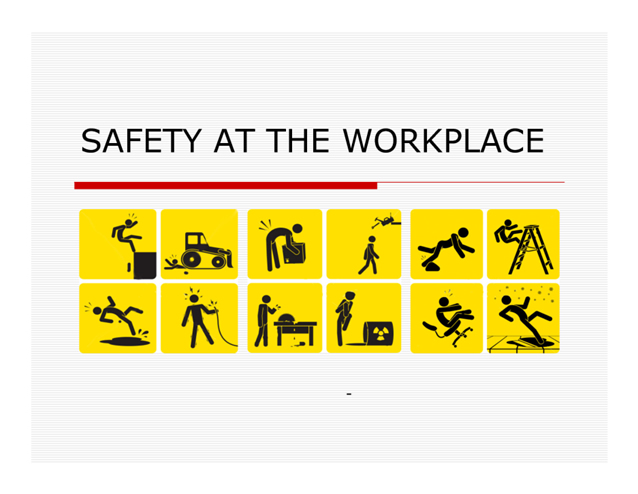
Fundamental of Packaging, Packaging Functions, Packaging and Society, The Packaging Supply Chain, Packaging Legislation
Packaging and Environmental Sustainability, Packaging and Marketing.
Plastic Materials for Packaging Components, Basics of Polymer Chemistry for Packaging Materials, Plastics Manufacturing, Processes for Packaging Materials, Packaging Closures, Adhesives for Packaging, Labels for Packaging.
Recent Trend in Packaging Technologies, Modified Atmosphere Packaging and other Active Packaging Systems, Developments in Plastic Materials and Recycling Systems for Packaging, Nanotechnology and the Packaging, Smart and Interactive Packaging Developments for Enhanced Communication at the Packaging/User Interface.
การจำลองผลระบบไฟฟ้ากำลังด้วยซอฟต์แวร์ทางการค้า การใช้โปรแกรม PowerWorld™ สำหรับการวิเคราะห์ระบบส่งจ่ายไฟฟ้ากำลัง 3 เฟส แบบสมดุล การใช้โปรแกรม DIgSILENT® สำหรับการวิเคราะห์ระบบจ่ายไฟฟ้ากำลัง 3 เฟส แบบไม่สมดุล การใช้โปรแกรม ATP/EMTP สำหรับการวิเคราะห์ระบบไฟฟ้ากำลัง 3 เฟส ในภาวะชั่วครู่
