搜索结果: 924
แนวคิดเกี่ยวกับการจัดการตราสินค้า การสร้างตราสินค้า การกำหนดตำแหน่งของตราสินค้า การออกแบบตราสินค้า การสร้างลักษณะเฉพาะให้กับตราสินค้า คุณค่าตราสินค้า การรับรู้ของผู้บริโภคเกี่ยวกับตราสินค้า การสร้างความสัมพันธ์ระหว่างผู้บริโภคกับตราสินค้า กระบวนการและเครื่องมือสื่อสารตราสินค้าในยุคดิจิทัล
Concepts of brand management, brand building, brand positioning, brand design, brand specific characteristics creating, brand equity, consumers’ perception on brand, initiating relationship between customers and brand, brand communication process and tools in digital era.
พื้นฐานการทำความเย็น ระบบการทำความเย็น การอัดไอ การดูดซึม การทำความเย็นแบบไครโอจินิค ไซโครเมตริก วัฏจักรการทำความเย็นแบบอัดไอ องค์ประกอบของระบบทำความเย็น เครื่องอัดไอ เครื่องควบแน่น เครื่องทำระเหย หอคอยน้ำ ท่อและอุปกรณ์ประกอบ การควบคุมระบบ การคำนวณภาระความเย็น การออกแบบระบบทำความเย็น การเก็บรักษาผลิตผลเกษตรด้วยความเย็น การแช่เย็นและแช่แข็งอาหาร การคำนวณระยะเวลาในการแช่แข็ง
ตัวแปรสุ่มและการแจกแจงความน่าจะเป็น การแจกแจงความน่าจะเป็นแบบไม่ต่อเนื่องและแบบต่อเนื่องบางรูปแบบ การแจกแจงของการสุ่มตัวอย่างและการพรรณนาข้อมูล การประมาณค่าของตัวอย่างหนึ่งและสองกลุ่ม การทดสอบสมมุติฐานของตัวอย่างหนึ่งและสองกลุ่ม การวิเคราะห์ความแปรปรวน การออกแบบการทดลองทางสถิติแบบสุ่มสมบูรณ์ได้ การถดถอยและสหสัมพันธ์ การควบคุมคุณภาพทางสถิติ และการใช้โปรแกรมสำเร็จรูปทางสถิติ
Introduction to chemical engineering principles and calculations: unit and dimensions, chemical reaction and stoichiomentry, Fundamental of material and energy balances with and without chemical reactions for single and multiple unit systems, Recycle, bypass and purge calculations. Ideal and real gas relationships. Use of physical, chemical, phase equilibrium and thermodynamic data.
ระบบที่มีวัฏภาคเดียวและหลายวัฏภาค การใช้ข้อมูลทางกายภาพและทางเคมี สมดุลวัฏภาค การทำสมดุลมวลของระบบที่มีหลายวัฏภาค นิยาวพลังงาน ความร้อนของปฏิกิริยา การทำสมดุลพลังงานสำหรับระบบที่มีและไม่มีปฏิกิริยาเคมีเกิดขึ้นของทั้งระบบที่มีกระบวนการเดียวหรือหลายกระบวนการต่อเนื่องกัน
เนื้อหาโดยสังเขป
หลักการของการกำหนดรูปทรงและขนาด สมบัติทางกล สมบัติทางความร้อน สมบัติทางไฟฟ้า สมบัติเนื้อสัมผัส และสมบัติทางแสงของวัสดุอาหาร ความสัมพันธ์ของสมบัติเชิงวิศวกรรมของวัสดุอาหารกับกระบวนการแปรรูปวัสดุเกษตรและอาหาร
คุณสมบัติทางกายภาพของข้าว การออกแบบระบบสีข้าว การออกแบบอุปกรณ์ที่ใช้ในระบบโรงสีข้าว การทำความสะอาดและการสีข้าวเปลือก การแยกแกลบออกจากข้าวสาร การขัดขาวและขัดมันข้าวสาร การคัดขนาดข้าวสาร การบรรจุถุง อุปกรณ์ทดสอบคุณภาพข้าวสาร
ENG21 3207 ปฏิบัติการวิศวกรรมการแปรรูปอาหาร 1 1(0-3-3)
(Food Process Engineering Laboratory I)
วิชาบังคับก่อน: ENG21 3202 หลักวิศวกรรมการแปรรูปอาหาร 1
หลักการทางานของอุปกรณ์และเครื่องมือที่ใช้แปรรูปอาหารและการปรับค่าองค์ประกอบของเครื่องจักรกลอาหาร การวัดสมบัติทางกายภาพและความร้อนของอาหาร ความหนืดของอาหารเหลว เนื้อสัมผัส การระเหย การอัดพอง การแช่แข็งและการละลาย

คุณสมบัติทางกายภาพของข้าว การออกแบบระบบสีข้าว การออกแบบอุปกรณ์ที่ใช้ในระบบโรงสีข้าว การทำความสะอาดและการสีข้าวเปลือก การแยกแกลบออกจากข้าวสาร การขัดขาวและขัดมันข้าวสาร การคัดขนาดข้าวสาร การบรรจุถุง อุปกรณ์ทดสอบคุณภาพข้าวสาร

หลักพื้นฐานของการใช้โปรแกรมคอมพิวเตอร์สำหรับช่วยออกแบบและวิเคราะห์งานทางวิศวกรรม การใช้โปรแกรมคอมพิวเตอร์เพื่อสร้างแบบจำลองและวิเคราะห์ปัญหาทางวิศวกรรมในแบบต่าง ๆ อาทิเช่น การวิเคราะห์ การเคลื่อนที่ของกลไก การวิเคราะห์ความแข็งแรงของชิ้นส่วนเครื่องจักรกล การวิเคราะห์การไหลและการถ่ายเท ความร้อน
หลักพื้นฐานของการใช้โปรแกรมคอมพิวเตอร์สำหรับช่วยออกแบบและวิเคราะห์งานทางวิศวกรรม การใช้โปรแกรมคอมพิวเตอร์เพื่อสร้างแบบจำลองและวิเคราะห์ปัญหาทางวิศวกรรมในแบบต่าง ๆ อาทิเช่น การวิเคราะห์ การเคลื่อนที่ของกลไก การวิเคราะห์ความแข็งแรงของชิ้นส่วนเครื่องจักรกล การวิเคราะห์การไหลและการถ่ายเท ความร้อน
ระบบที่มีวัฏภาคเดียวและหลายวัฏภาค การใช้ข้อมูลทางกายภาพและทางเคมี สมดุลวัฏภาค การทำสมดุลมวลของระบบที่มีหลายวัฏภาค นิยาวพลังงาน ความร้อนของปฏิกิริยา การทำสมดุลพลังงานสำหรับระบบที่มีและไม่มีปฏิกิริยาเคมีเกิดขึ้นของทั้งระบบที่มีกระบวนการเดียวหรือหลายกระบวนการต่อเนื่องกัน
ENG35 4505 Reverse Engineering 2(1-3-5)
Prerequisite : none Course Type: Technical Elective
This course Introduces learners to Reverse Engineering (RE). Applying RE
methodologies allow learners to test and analyse an object or a system in order to; identify,
understand, and document its functionality and operation. RE can play a key role in helping
learners understand engineering products to develop a better device.
Learning outcomes
1. Ability to explain reverse engineering concept.
2. Ability to use information requirements and factors influencing to apply with reverse engineering.
3. Ability to use reverse engineering concept for designs with satisfy functional and legal requirements.
รายวิชานี้ครอบคลุมถึงวิธีการพื้นฐานของการวิเคราะห์สถิตยศาสตร์ และความเสียหายจากการล้าที่สามารถนำไปใช้กับชิ้นส่วนทางวิศวกรรมที่หลากหลาย การทบทบวนถึงคุณสมบัติของวัสดุที่สำคัญในการออกแบบ เช่นความเครียดและความแข็งแรง การฝึกปฏิบัติด้านการทดสอบวัสดุ เช่นการทดสอบแรงดึง การทดสอบแรงบิด การทดสอบความล้า และการทดสอบความคืบ การนำทฤษฏีด้านสถิตยศาสตร์ เช่นทฤษฏีของ von Mises ไปใช้ในการป้องกันความเสียหายในการกระทำที่เป็นแรงแบบสถิตย์ เงื่อนไขของความเสียหายจากการล้าในการออกแบบที่คำนึงถึงแรงพลศาสตร์ และแนะนำเกี่ยวกับแนวความคิดของการวิเคราะห์ไฟไนต์เอลิเมนต์
1. วาดฟรีบอดี้ไดอะแกรมของวัตถุแข็งเกร็ง โครงกรอบ และเครื่องจักรกล
2. หาความเครียด ความเค้น และระยะโก่งขององค์ประกอบของเครื่องจักร
3. ประมาณการปัจจัยด้านความปลอดภัยของโครงสร้างย่างง่ายที่มีแรงกระทำแบบสถิตย์ และแรงกระทำซ้ำ
4. หาความต้องการด้านประสิทธิภาพในการเลือกองค์ประกอบของเครื่องจักรที่มีในเชิงพาณิชย์ เช่น เพลา อุปกรณ์รัด สปริง แบริ่ง และเฟือง
5. อธิบายหลักการการวิเคราะห์ไฟไนต์เอลิเมนต์
This course will cover fundamental methodologies for analyzing static and fatigue failure that can be applied to a wide variety of engineering components. Reviewing important material properties in design, such as stress and strength. Practice of materials testing such as tensile test, torsion test, fatigue test and creep test. Transition to static failure theories such as the von Mises theory, which can be utilized to prevent failure in static loading applications. Fatigue failure criteria for designs with dynamic loads and Introduction to Finite element analysis concept
1. Draw Free Body Diagrams (FBD) for rigid bodies, frames, and machines.
2. Determine the stress, strain, and deflection of simple machine elements.
3. Estimate safety factors of simple structures exposed to static and repeated loads.
4. Determine performance requirements in the selection of commercially available machine elements such as shafts, fasteners, springs, bearings, and gears.
5. Descript Finite element analysis concept.
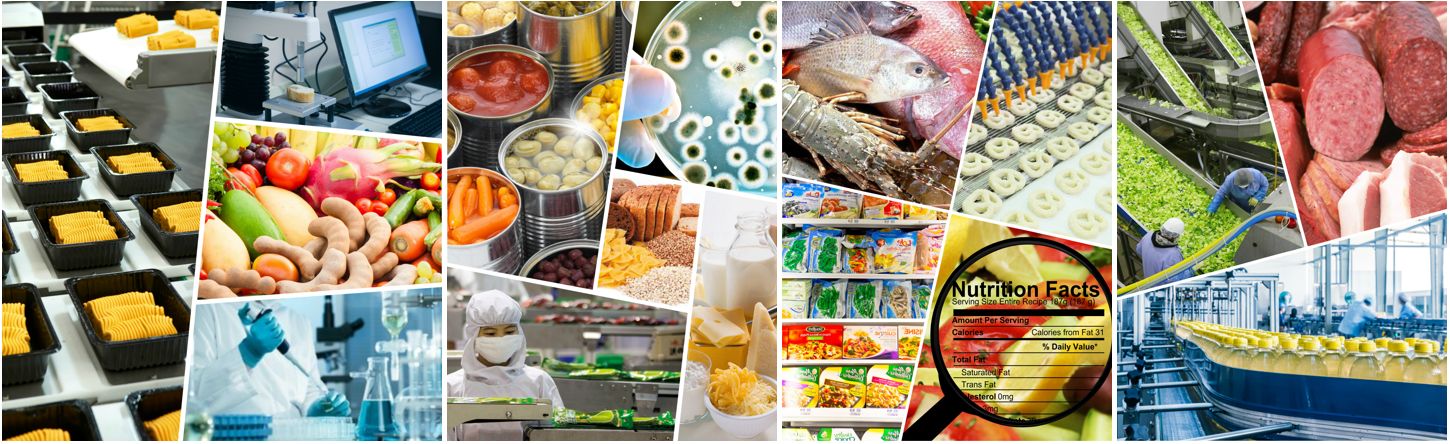
ความสำคัญของการพัฒนาผลิตภัณฑ์ชีวภาพ กระบวนการพัฒนาผลิตภัณฑ์ชีวภาพเชิงพานิชย์ การสร้างนวัตกรรมผลิตภัณฑ์ชีวภาพเพื่อให้สอดคล้องกับกลุ่มเป้าหมาย การพัฒนาผลิตภัณฑ์ชีวภาพต้นแบบโดยใช้เทคโนโลยีการผลิตสีเขียว การประเมินคุณภาพด้านประสาทสัมผัสและอายุการเก็บรักษาของผลิตภัณฑ์
Significance of bioproduct development. Product development process for commercial bioproducts. Creating an innovative bioproduct according to the target group. Prototype bioproduct development using green production technology. Sensory and shelf life evaluation of products.
ความรู้พื้นฐานงานอาชีวอนามัยและความปลอดภัยในโรงงาน กฎหมายที่เกี่ยวข้องกับงานอาชีวอนามัยและความปลอดภัย การตระหนักและการประเมินปัญหาสิ่งแวดล้อมการทำงาน การควบคุมสิ่งแวดล้อมการทำงาน พิษวิทยา อันตรายจากสารเคมีในงานอุตสาหกรรม การยศาสตร์เบื้องต้น โรคจากการทำงาน อุบัติเหตุและการป้องกัน ความปลอดภัยในงานก่อสร้าง เครื่องจักร และไฟฟ้า การป้องกันและระงับอัคคีภัยในโรงงาน การประเมิน จัดการความเสี่ยงและการบริการด้านด้านอาชีวอนามัยและความปลอดภัย การจัดการอาชีวอนามัยและความปลอดภัยในอุตสาหกรรมและในอาชีพเกษตรกรรม
หลักและวิธีวิจัย งานวิจัยที่น่าสนใจทางวิศวกรรม การวิเคราะห์ปัญหาเพื่อกำหนดหัวข้องานวิจัย การเขียนข้อเสนอโครงการวิจัย การวางแผนการวิจัย การวางแผนการเก็บข้อมูลและการวิเคราะห์ข้อมูล การแปลผลและการวิจารณ์ผล การเขียนรายงานการวิจัยและบทความทางวิชาการ การนำเสนอผลงานวิจัย
Principles and research methods; current interesting research topics in engineering; problems analysis for research topics selection; research proposal writing; research planning; data collection and analysis planning; data interpretation and discussion; research report and paper writing; research presentation

The two courses:
SCI03 2303 (Mathematical Methods for Differential Equations)
ENG82 2004 / 582 202 (Differential Equations for Civil Engineers)
will be combined during weeks 1-6 (i.e. before the midterm exam)
After the midterm exam, they will be taught separately, as there is a variation in course content.
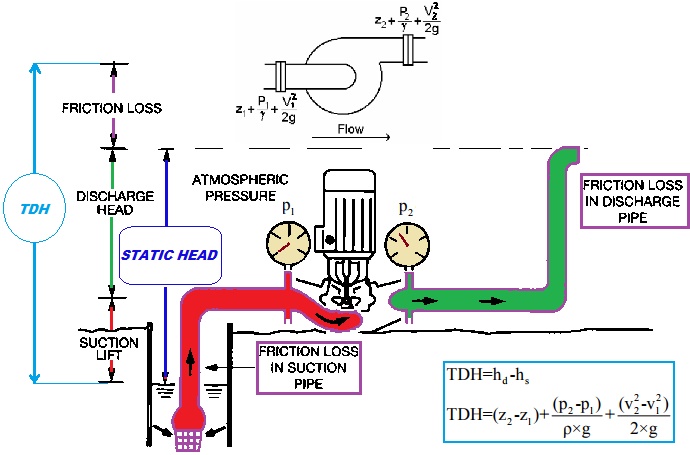
คุณสมบัติของของไหล ของไหลสถิต พลศาสตร์และจลนศาสตร์ของไหล สมการพลังงานและสมการเบอร์นูลลี่ในการไหล โมเมนตัมและแรงพลศาสตร์ในของไหลเคลื่อนที่ การไหลในท่อของของไหล การไหลในทางน้ำเปิด แรงดันชลศาสตร์ การวัดการไหล อุทกวิทยาเบื้องต้น น้ำท่า ความน่าจะเป็นและความเสี่ยงในการออกแบบทางอุทก เครื่องสูบน้ำ
Indicative module content including;
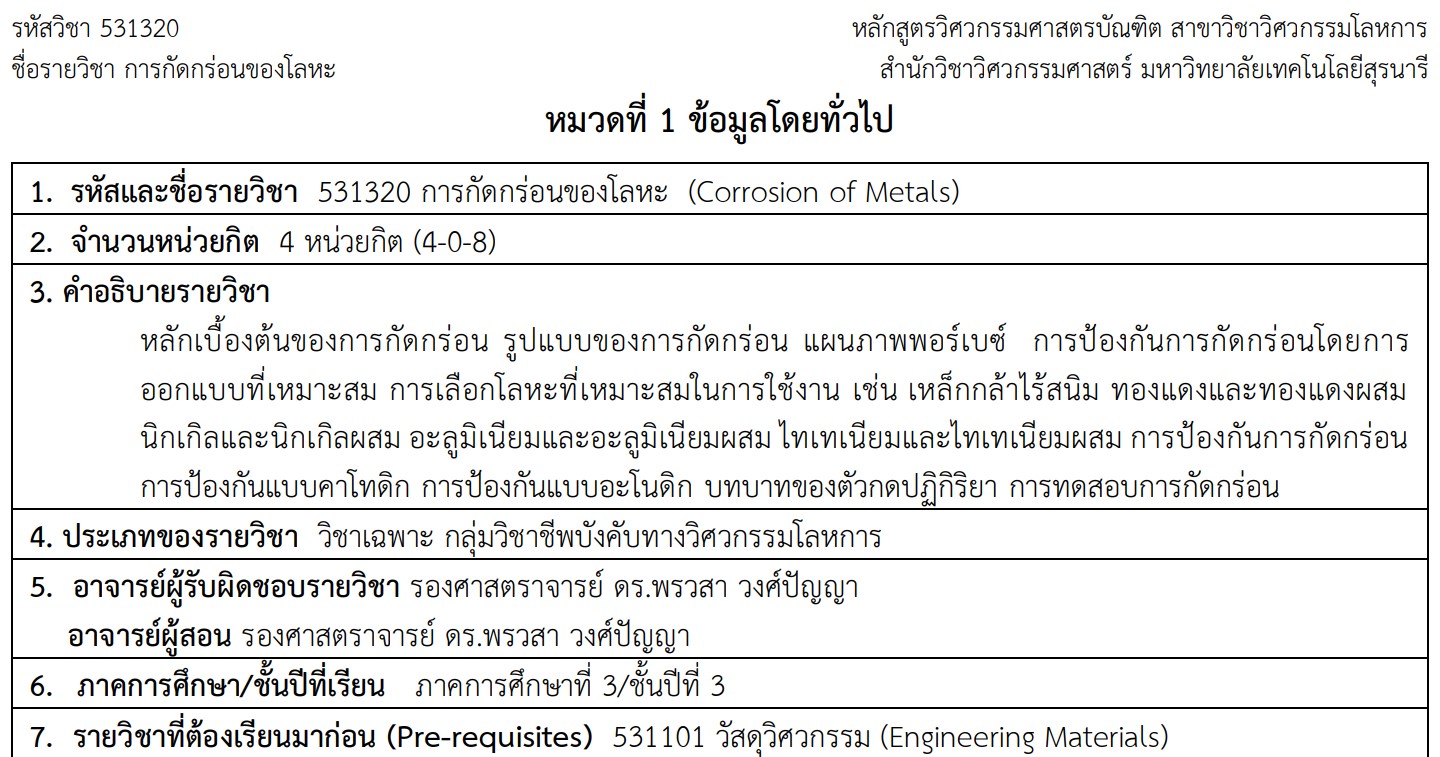
- Corrosions in metallic materials.
- Corrosion testing.
- Corrosion assessment and analysis.
- Failure analysis procedures
- Fracture of metals, ductile and brittle fractures, fracture surfaces and fracture mechanics.
- Classification and identification of metallurgical failures such as fatigue, creep, corrosion and failure due to metal processing defects.
- Metal materials testing and characterization.
- Collecting the data and analysis of metallurgical failures.

| 539212 | ENGINEERING ELECTRONICS II | ||
| อิเล็กทรอนิกส์วิศวกรรม 2 | |||
| สังกัด | สำนักวิชาวิศวกรรมศาสตร์, วิศวกรรมอิเล็กทรอนิกส์ | ||
| หน่วยกิต | 4 (4-0-8) | ||
| สถานะรายวิชา: | ใช้งาน | ||
| เงื่อนไขรายวิชา: | 539210 | ||
Instructors
Dr. Rung-Yi Lai
Asst. Prof. Dr. Anyanee Kamkaew
Definitions of organometallic chemistry of transition elements and 18-electron rule, type of ligands, structures and bonding between metal and ligands, syntheses, reactions, characterization and applications of organometallic compounds, and parallels to main group organometallic chemistry.
103102 Calculus II (International Program) is the 2nd course of undergraduate calculus for students in the international program.
If you need the passcode to enroll or have any question, please email the instructor at panu.samang@g.sut.ac.th.
109703 Protein Structure and Engineering 4(4-0-8)
Prerequisite : 109700 Graduate Biochemistry /Consent of the School
Basic review of the structures and properties of amino acid peptide bonds, peptides, polypeptides & proteins, concepts for protein engineering, protein detection, purification and evaluation, electrophoresis, size determination, quaternary structure evaluation, protein primary structure determination, electronic structures and properties of amino acid residues and their reactivities, chemical synthesis of peptides & proteins; biological nucleic acid and protein synthesis & posttranslational modifications, Methods in genetic engineering of proteins, molecular evolution and the use of protein sequence alignment & analysis, physical basis of size and shape determination (e.g. diffusion, analytical centrifugation, light scattering, small angle X-ray scattering), spectroscopic evaluation of secondary structure and tertiary structure, protein structure determination by X-ray crystallography, NMR, & EM tomography, structural modeling and prediction, protein folding, protein interactions with ligands, proteins in membranes, student proposal on protein engineering.
Expected Learning Outcomes
On completion of this course, students are able to
- explain principles of protein structure and the physical interactions involved in attaining protein structure
- understand the basics of the methods and experiments used to study proten structure and structure-function relationships
- evaluate and analyze scientific papers on protein structure and engineering and evaluate the quality of the data
- have a basic understanding of the methods used to engineer proteins and to evaluate the effects of such engineering
- have conscientious in their academic and professional conduct, and able to work with others
- communicate scientific knowledge appropriately and effectively
- Students are eager for knowledge and learning

Protein Structure and Engineering
This course covers presentation techniques and structure of a presentation.
Students will learn the vocabulary and expressions needed when giving a presentation in English. It also addresses other important issues such as body language, visuals, and interaction with the audience as well as question handling skills in a professional manner.
ENGLISH FOR BUSINESS MEETINGS
ภาษาอังกฤษเพื่อการประชุมทางธุรกิจ
ผู้ช่วยศาสตราจารย์ ดร.หนึ่งหทัย ขอผลกลาง
อาจารย์นรินทร ฉิมสุนทร

ENGLISH FOR BUSINESS MEETINGS
ภาษาอังกฤษเพื่อการประชุมทางธุรกิจ
ผู้ช่วยศาสตราจารย์ ดร.หนึ่งหทัย ขอผลกลาง
อาจารย์นรินทร ฉิมสุนทร
ตัวแปรสุ่ม และการแจกแจงความน่าจะเป็น การแจกแจงความน่าจะเป็น และแบบต่อเนื่องบางรูปแบบ การแจกแจงของการสุ่มตัวอย่างและการพรรณาข้อมูล การประมาณค่าตัวอย่างหนึ่งและสองกลุ่ม การทดสอบสมมติฐานของตัวอย่างหนึ่งและสองกลุ่ม การวิเคราะห์ความแปรปรวน การออกแบบการทดลองแบบสุ่มสมบูรณ์ การถดถอยและสหสัมพันธ์ การควบคุมคุณภาพทางสถิติ และการใช้โปรแกรมสำเร็จรูปทางสถิติ
ผลสัมฤทธิ์การเรียนรู้ 1.จำแนกตัวแปรสุ่มแบบไม่ต่อเนื่องและต่อเนื่องได้
2. คำนวณค่าความน่าจะะเป็นของการแจกแจงแบบไม่ต่อเนื่องและต่อเนื่องได้
3. ออกแบบการทดลองทางสถิติแบบสุ่มสมบูรณ์พร้อมทั้งวิเคราะห์ความแปรปรวนของข้อมูลได้
4. ใช้โปรแกรมสำเร็จรูปได้แก่ Microsoft Excel และ Minitab สำหรับการวิเคราะห์ค่าทางสถิติได้

แนวคิดเกี่ยวกับเศรษฐศาสตร์ที่ใช้ในสารสนเทศ ทฤษฎีผู้บริโภคและอุปสงค์ ต้นทุนการผลิตและอุปทานตลาด ดุลยภาพตลาดและประสิทธิภาพทางเศรษฐกิจ ตลาดสารสนเทศและผลกระทบภายนอก สารสนเทศในฐานะเป็นสินค้าสาธารณะ สารสนเทศเป็นสินค้าสาธารณะ ตลาดแข่งขันไม่สมบูรณ์และการกำหนดราคา สารสนเทศที่ไม่สมบูรณ์ สารสนเทศเป็นสินค้าทั่วไปและเป็นสินค้าสาธารณะ ค่าธรรมเนียมการใช้บริการ การใช้มูลค่าของเวลา การใช้ทรัพยากรร่วมกัน การวิเคราะห์ต้นทุนและผลตอบแทนของผลิตภัณฑ์และบริการสารสนเทศ
The concept of economics in the information, consumer theory and market demand, cost of output and market supply, economic efficiency and market equilibrium, externalities and information markets, information as a public good, monopolistic pricing and noncompetitive markets, imperfect information, information as a commodity versus information as a public good, user fees, value of time, resource sharing, cost-benefit analysis of product and service in information markets.
Developing students’ abilities for effective communication in social settings; focusing on integrated skills with the primary emphasis on listening and speaking; developing communication and language learning strategies; and promoting autonomous learning using various resources
Enhancing students’ proficiency in social communication; developing students’ ability to accomplish learning tasks; using integrated skills and task-based learning with emphasis on contemporary themes and current issues; reading semi-academic texts from a variety of authentic sources such as newspapers, magazines and online resources
เพิ่มพูนทักษะภาษาอังกฤษเพื่อการสื่อสารในระดับที่สูงขึ้น พัฒนาทักษะทางภาษาและกลวิธีในการเรียนรู้ภาษา บูรณาการทักษะทางภาษาและส่งเสริมให้ทำกิจกรรมแบบเผชิญประสบการณ์ เน้น เนื้อหาในหัวข้อเรื่อง และประเด็นร่วมสมัยกึ่งวิชาการจากแหล่งข้อมูลต่าง ๆ โดยไม่มีการดัดแปลงภาษา เช่น หนังสือพิมพ์ บทความในนิตยสาร และแหล่งข้อมูลอิเลคทรอนิคส์
Course content dealing with science and technology for effective communication in an academic field of study; text-based activities involving integrated language skills with an emphasis on reading; exposure to both authentic and semi-authentic materials from both printed and audiovisual materials, as well as online resources
พัฒนาการใช้ภาษาเชิงวิชาการเน้นเนื้อหาที่เรียนเกี่ยวข้องกับวิทยาศาสตร์และเทคโนโลยีบูรณาการทักษะทางด้านภาษา โดยเน้นการอ่านให้มีประสบการณ์ตรงในการใช้ภาษา โดยอาศัยสื่อนานาชนิด เช่น สื่อสิ่งพิมพ์ สื่อโสตทัศน์ และสื่อจากแหล่งข้อมูลอิเล็กทรอนิกส์
Course content dealing with English for academic purposes for effective communication in an academic field of study; text-based activities involving integrated language skills with an emphasis on reading; exposure to both authentic and semi-authentic materials from both printed and audiovisual materials, as well as online resources
Further enhancement of students’ language skills and ability in science and technology content; exposure to authentic language in science and technology from both printed and audiovisual materials, as well as online resources; focus on text-based tasks involving integrated skills with an emphasis on reading and writing
213305 English for Careers
Course coordinator Jindaporn Sangganjanavanish
E-mail: sanggan@sut.ac.th
Course description
Developing English skills needed for employment preparation, covering such topics as job search, resumes, cover letters, and job interviews; effective communication skills in the workplace; skills needed in preparing for the Test of English for International Communication (TOEIC)
Course materials
1) Course book: Get Ready for International Business (Student’s Book2, B325).
Only Units 2, 5, 7, 8, 9 and 10 plus the TOEIC practice of the corresponding units are to be covered.
2) PowerPoint files of these elements can be found in the folder English 5 PPT on the classroom computer.
3) Online materials
Grading criteria
Attendance 5 Job ad 5 Resume 10 Job interview (face-to-face) 20 Presentation (VDO) 20 Final exam 40
* The passing score for the course is 50.
213305 English for Careers
Course coordinator Jindaporn Sangganjanavanish
E-mail: sanggan@sut.ac.th
Course description
Developing English skills needed for employment preparation, covering such topics as job search, resumes, cover letters, and job interviews; effective communication skills in the workplace; skills needed in preparing for the Test of English for International Communication (TOEIC)
Course materials
1) Course book: Get Ready for International Business (Student’s Book2, B325).
Only Units 2, 5, 7, 8, 9 and 10 plus the TOEIC practice of the corresponding units are to be covered.
2) PowerPoint files of these elements can be found in the folder English 5 PPT on the classroom computer.
3) Online materials
Grading criteria
Attendance 5 Job ad 5 Resume 10 Job interview (face-to-face) 20 Presentation (VDO) 20 Final exam 40
* The passing score for the course is 50.
This is an access to my English for Careers class.
English 5
This courses aims to....
English needed for employment preparation, effective communication skills in the workplace, and career advancement, covering topics such as job search, resumes, employment letters and documents, job interviews, academic applications, some essential correspondence, reports, meetings, discussion, and short informal occasional speeches
ฝึกใช้ภาษาอังกฤษในการเตรียมตัวเพื่อสมัครงานและการแสวงหางาน การเขียนประวัติส่วนตัวโดยย่อ การสัมภาษณ์ การเขียนจดหมายสมัครงาน และเอกสารที่เกี่ยวข้อง ฝึกทักษะการสื่อสารในสถานที่ทำงาน การพูดสนทนาเกี่ยวกับงานในหน้าที่ การโต้ตอบเอกสาร การรายงานการประชุม การอภิปราย การกล่าวสุนทรพจน์อย่างไม่เป็นทางการในบางโอกาส
Job Preparation
Job Preparation
English 5 Group 29 Term 3 Aj. Daniel
English 5 Group 7 Term 3 Aj. Daniel
Developing English skills needed for employment preparation, covering such topics as job search, resumes, cover letters, and job interviews; effective communication skills in the workplace; skills needed in preparing for the Test of English for International Communication (TOEIC)
ลักษณะของช่องทางการตลาดและการกระจายสินค้าในรูปแบบดั่งเดิม และออนไลน์ พฤติกรรมและการจัดการช่องทางการจัดจำหน่าย การตัดสินใจออกแบบช่องทางการจัดจำหน่าย การบริหารช่องทางการจัดจำหน่ายและการกระจายสินค้าให้สอดคล้องกับวัตถุประสงค์และงบประมาณ
Characteristics of marketing channel and distributions in offline and online, behavior and organizing of channels, decision of channel design, channel management and distribution to meet objectives and budgets.
- รหัสและชื่อรายวิชา
ภาษาไทย : 803203 หลักการวิศวกรรมสำหรับงานอาชีวอนามัยและความปลอดภัย
ภาษาอังกฤษ : Principles of Engineering for Occupational Health and Safety
- คำอธิบายรายวิชา (Course Description)
(ภาษาไทย) กลศาสตร์ของไหล การเขียนแบบวิศกรรม ความรู้พื้นฐานทางวิศวกรรมไฟฟ้า โยธา เครื่องกล อุตสาหการ หลักการด้านวิศวกรรมที่เกี่ยวข้องกับงานด้านอาชีวอนามัยและความปลอดภัย เพื่อเป็นแนวทางในการป้องกันและควบคุมอันตรายที่อาจเกิดในสถานที่ทำงานและสิ่งแวดล้อม
(ภาษาอังกฤษ) Fluid Mechanics, engineering drawing, basic knowledge in electrical, civil, mechanical, and industrial engineering, principles of engineering related to occupational health and safety for guidelines of hazard prevention and control in workplace and environment
- จำนวนหน่วยกิต : 3 (3 - 0 - 6)
: บรรยาย 3 ชม. และเรียนรู้-ค้นคว้าด้วยตนเอง 6 ชม. /สัปดาห์
- หลักสูตรและประเภทของรายวิชา
4.1. หลักสูตร : วิทยาศาสตรบัณฑิต สาขาวิชาอาชีวอนามัยและความปลอดภัย
(หลักสูตรปรับปรุง พ.ศ. 2562)
4.2. ประเภทของรายวิชา : กลุ่มวิชาวิศวกรรมทางด้านอาชีวอนามัย และความปลอดภัย
หรือเทคโนโลยีการควบคุมด้านอาชีวอนามัยและความปลอดภัย
อาจารย์ผู้รับผิดชอบรายวิชา และอาจารย์ผู้สอน
5.1. อาจารย์ผู้รับผิดชอบรายวิชา : อาจารย์ ว่าที่ ร.ต.กฤษดา เพ็งอารีย์
สาขาวิชาอาชีวอนามัยและความปลอดภัย
เบอร์โทรศัพท์ 044 22 3916, 084 286 0131
e-mail address : kritsada@g.sut.ac.th
5.2. อาจารย์ผู้สอน : คณาจารย์สำนักวิชาวิศวกรรมศาสตร์
- คำอธิบายรายวิชา (Course Description)
(ภาษาไทย) ความรู้พื้นฐานทางวิศวกรรมเครื่องกล ไฟฟ้า โยธา อุตสาหการ และหลักการเขียนแบบหลักการด้านวิศวกรรมที่เกี่ยวข้องกับงานอาชีวอนามัยและความปลอดภัย แนวทางการควบคุมทางวิศวกรรมในการป้องกันและควบคุมอันตรายที่อาจเกิดในสถานที่ทำงานและสิ่งแวดล้อม
(ภาษาอังกฤษ) Basic knowledge in mechanical, electrical, civil, and industrial engineering, engineering drawing, principles of engineering related to occupational health and safety, engineering control guidelines for preventing and controlling hazards in workplace and environment
พื้นฐานการทำความเย็น การทำความเย็นระบบอัตไอ องค์ประกอบของระบบทำความเย็น การคำนวณภาระความเย็น
Plant pest, including the introduction of plant disease, insect, animal and weed, history and importance of plant pest, epidemiological concepts, crop loss evaluation, integrated of plant pest management, production of pest-free plants, plant pest resistance, biotechnology in plant protection, plant pest problems in international trades of agriculture commodities.
Introduction to principles of food preservation including use of chemicals, microorganisms, drying, thermal processing, freezing, irradiation, and non-thermal processing, chemical aspects of food composition. Functional properties and chemical reactions of the major components of foods: carbohydrates, lipids, proteins, and water, chemical and physical changes that occur in food processing and their impact on food quality, manufacture of selected food products: product ingredients, formulation and evaluation.
Introduction to the food processing industries, principles of the food processing equipment for processing and preservation of food materials by blanching, pasteurization, sterilization, canning, evaporation, dehydration, chilling, freezing, separation, extrusion, microwave and other emerging technologies.
การใช้เทคโนโลยีชีวภาพในการผลิตสารเสริมในอาหารสัตว์

Prerequisite : Consent of the school of Crop Production Technology consent
Careers related to crop production, accountability in crop production, understanding self and others, personality, passion, skills, self-sufficiency, society contribution, finding life purpose, setting goals, self-motivate, life planning including study plan in crop production.
อาชีพที่เกี่ยวข้องกับการผลิตพืช จิตสำนึกและความรับผิดชอบในการผลิตพืช การเข้าใจตัวเองและผู้อื่น บุคลิกภาพ ความชอบ ทักษะ การพึ่งพาตัวเองได้ การพึ่งพาตัวเองได้ การตอบแทนต่อสังคม การค้นหาเป้าหมายชีวิต การตั้งเป้าหมาย การสร้างแรงบันดาลใจให้ตัวเอง การวางแผนชีวิต รวมทั้งแผนการเรียนด้านการผลิตพืช
Plant Breeding is an undergrad course that requires the use of e-learning 2 system for distributing class materials and feedback
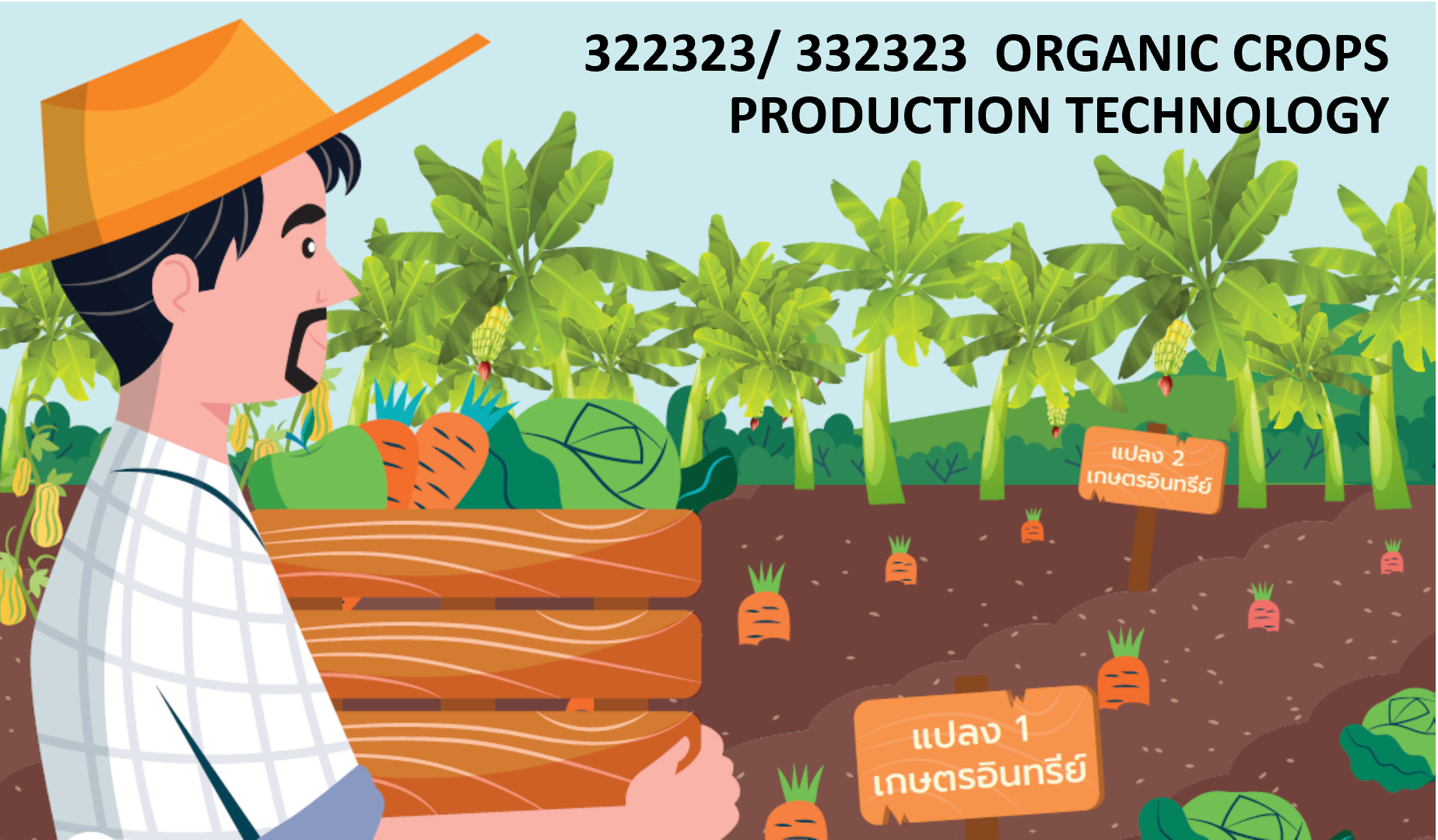
ความสำคัญ หลักการ และแนวคิดพื้นฐานของการทำเกษตรอินทรีย์ การขยายพันธุ์พืชในระบบเกษตรอินทรีย์ การจัดการดิน น้ำ ปุ๋ยและธาตุอาหารพืช การควบคุมโรคและศัตรูพืช แนวปฏิบัติในการใช้มาตรฐานสำหรับการผลิต ยุทธศาสตร์การพัฒนาเกษตรอินทรีย์แห่งชาติ
322410 และ 332410 เทคโนโลยีเมล็ดพันธุ์ (Seed Technology) จำนวน 2(1-3-2) หน่วยกิต
วิชาบังคับก่อน : โดยความเห็นชอบของสาขาวิชา
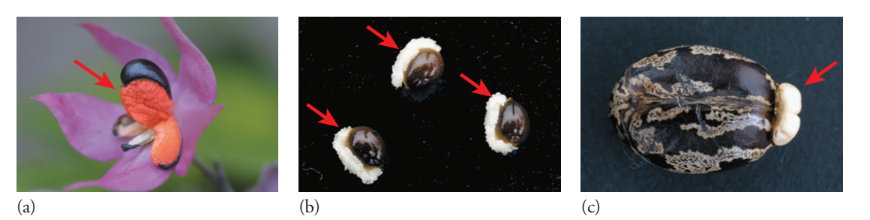
ขอบข่ายของวิทยาการเมล็ดพันธุ์ ความหมายของเมล็ดพันธุ์ โครงสร้างและองค์ประกอบทางเคมีของเมล็ดพันธุ์และความสำคัญ หลักการผลิตเมล็ดพันธุ์ การพัฒนาของเมล็ดพันธุ์และการสุกแก่ การงอกของเมล็ดพันธุ์และกระบวนการงอก การพักตัวของเมล็ดพันธุ์ ความแข็งแรงของเมล็ดพันธุ์ การเพิ่มคุณภาพเมล็ดพันธุ์ การประกันคุณภาพเมล็ดพันธุ์ การตรวจสอบคุณภาพเมล็ดพันธุ์ กฎหมายเมล็ดพันธุ์ และการศึกษาดูงานระบบการผลิตเมล็ดพันธุ์ของภาครัฐหรือภาคเอกชน
Prerequisite : based on School of Crop Production Technology consent
Careers related to crop production, consciousness, and accountability in crop production, understanding self and others, personality, strength, passion, skills, self-sufficiency, society contribution, deep listening, empathy, mindset for success, finding life purpose, setting goals, self-motivation, life planning including study plan.
อาชีพที่เกี่ยวข้องกับการผลิตพืช จิตสำนึกและความรับผิดชอบในการผลิตพืช การเข้าใจตัวเองและผู้อื่น บุคลิกภาพ ความชอบ ทักษะ การพึ่งพาตัวเองได้ การตอบแทนต่อสังคม การฟังอย่างลึกซึ้ง การเห็นอกเห็นใจผู้อื่น ชุดความคิดสู่ความสำเร็จ การค้นหาเป้าหมายของชีวิต การตั้งเป้าหมาย การสร้างแรงบันดาลใจให้ตัวเอง การวางแผนชีวิต รวมทั้งแผนการเรียน
332303 เทคโนโลยีการผลิตพืชเศรษฐกิจ 4(3-3-6)
(Economic Crop Production Technology)
วิชาบังคับก่อน : โดยความเห็นชอบของสาขาวิชา
การวางแผนการผลิตพืชเศรษฐกิจ เทคโนโลยีสารสนเทศทางการเกษตรสำหรับการผลิตพืช การวิเคราะห์พื้นที่ปลูกและการเตรียมพื้นที่ การเตรียมท่อนพันธุ์ และเมล็ดพันธุ์ การใช้เทคโนโลยีอัจฉริยะสำหรับการปลูกพืช การจัดการน้ำและปุ๋ย เทคโนโลยีการจัดการศัตรูพืช การเก็บเกี่ยว พฤกษเคมีในพืช การจัดการหลังเก็บเกี่ยว การเพิ่มมูลค่าผลผลิตทางการเกษตร เช่น การผลิตอาหารเสริมสุขภาพหรือผลิตภัณฑ์เสริมอาหาร การดูงานการผลิตพืชเศรษฐกิจระดับอุตสาหกรรม
332303 Economic Crop Production Technology 4(3-3-6)
Prerequisite: Consent of the School
Planing for crop production, information technology in agriculture for crop production,siteanalysis and land preparation,planting stock and seed preparation, smart technology for planting, water and fertilizer management, pest management technology, harvesting, phytochemistry, post harvest management, value-added agriculture for example, functional food or dietary supplement products , excursion for industrial scale production of economic crops.
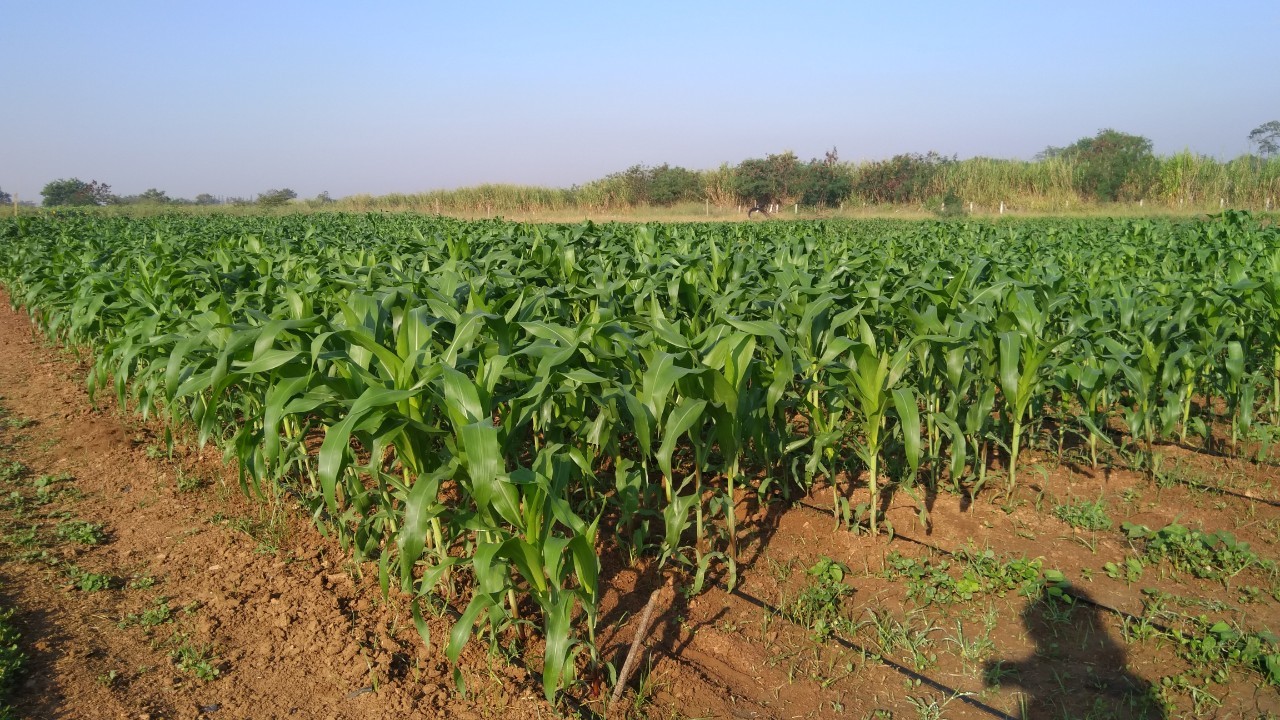
ความสำคัญของวัชพืชต่อการเกษตร ชีววิทยาและการจำแนกวัชพืช การแข่งขันของวัชพืชกับการปลูกพืช หลักการป้องกันกำจัดวัชพืช สารกำจัดวัชพืชและเทคนิคการใช้ และพิษวิทยาของสารกำจัดวัชพืช ผลกระทบของสารกำจัดวัชพืชต่อสิ่งแวดล้อม การประเมินวัชพืชระดับแปลงปลูก และการควบคุมวัชพืชในพืชเศรษฐกิจที่สำคัญโดยใช้เทคโนโลยี UAV และ remote sensing
ความสำคัญของคุณภาพเมล็ดพันธุ์ต่อผลผลิตทางการเกษตร ปัจจัยที่มีผลต่อการปรับปรุงคุณภาพเมล็ดพันธุ์ เทคนิคและเทคโนโลยีสมัยใหม่ทางปฏิบัติที่ใช้ในการยกระดับคุณภาพทั้งเมล็ดพันธุ์ทั่วไปและเมล็ดพันธุ์อินทรีย์ การประเมินคุณภาพ วิเคราะห์การลงทุนและประเมินผลตอบแทน


Types of research, academic journal and choosing for publication, process of submission and publication, writing styles and the language used, composition of manuscript, preparation of outline, introduction, materials and methods, results, presentation of the results, conclusion and discussion, reference citation, preparation of abstracts, keywords.

For graduate students
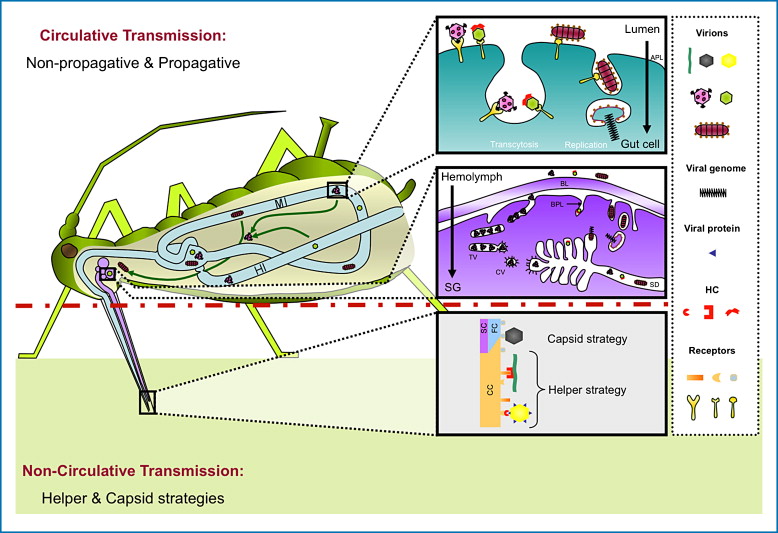
Many leafhoppers and planthoppers, and some psyllids, are important pests of crop plants, particularly because they are vectors of virus, bacteria and phytoplasma diseases. Around 200 species are already known to spread plant disease but many more are likely to be recognised.
ชนิดและโครงสร้างมูลฐานของรถแทรกเตอร์ เครื่องยนต์ ระบบถ่ายทอดกำลัง ระบบไฟฟ้า ระบบต่อพ่วง ระบบไฮดรอลิกส์ กลศาสตร์ของรถแทรกเตอร์และจุดต่อพ่วง การทรงตัว ล้อและยาง เครื่องช่วยการฉุดลาก กลศาสตร์การขับเคลื่อนบนผิวดินและยานพาหนะนอกถนนเบื้องต้น ความปลอดภัยในการใช้รถแทรกเตอร์และการซ่อมบำรุง เศรษฐศาสตร์ของการใช้งานรถแทรกเตอร์ หลักการออกแบบรถแทรกเตอร์
หลักการการถ่ายเทความร้อน การนำความร้อน การพาความร้อน การแผ่รังสี อุปกรณ์แลกเปลี่ยนความร้อน การเพิ่มการถ่ายเทความร้อนจากการเดือดและการควบแน่น และการประยุกต์ใช้หลักการถ่ายเทความร้อนในงานด้านวิศวกรรมเกษตรและอาหาร
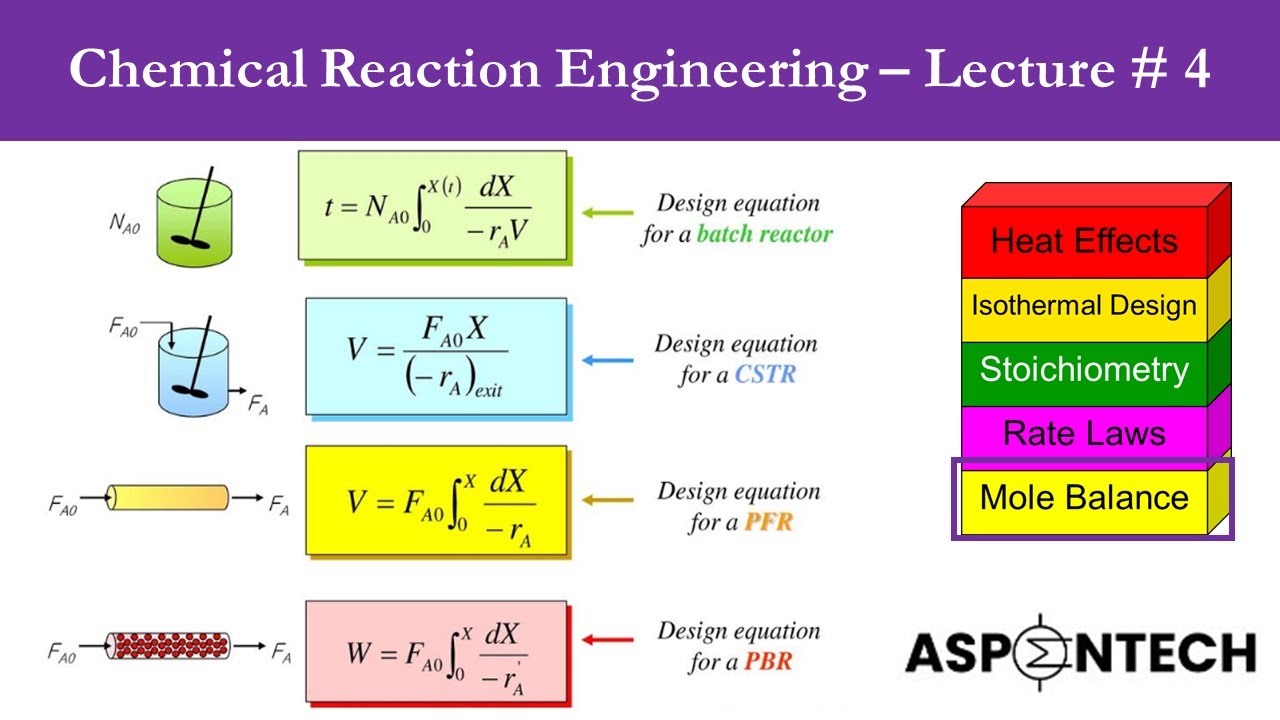
ความสมดุลของมวลสารและพลังงานในกระบวนการแปรรูปผลิตผลเกษตร การวัดและควบคุมตัวแปรกระบวนการแปรรูป ไซโครเมตริก การแปรสภาพด้วยความร้อนและความเย็น เครื่องมือลดขนาด เครื่องมือผสม
หลักการวัดและระบบเครื่องมือวัดในงานทางวิศวกรรมเกษตรและอาหาร ความผิดพลาดจากการวัดและการปรับเทียบ เครื่องมือวัด เซนเซอร์และทรานซ์ดิวเซอร์ทางอุตสาหกรรมสำหรับระบบการวัดในแบบต่าง ๆ ระบบการเก็บวัดข้อมูลด้วยคอมพิวเตอร์ การแปลงสัญญาณจากอนาลอกเป็นดิจิตอลและดิจิตอลเป็นอนาลอก การปรับสภาพสัญญาณ การฝึกปฏิบัติการโปรแกรมด้วยแลปวิว การออกแบบระบบการวัดและการควบคุมอัตโนมัติด้วยแลปวิว
ความปลอดภัยในงานวิศวกรรมขนส่ง
Please redirect to this Website:
nittaya.k - 523202 Computer Programming for Engineers (Inter) (google.com)
ระบบที่มีหลายเฟส การใช้ข้อมูลทางเคมี กายภาพ ในการคำนวณสมดุลพลังงาน
Course Learning Outcomes:
- To apply computer programming in calculation and solving the problems related to chemical engineering, especially by numerical methods both by spreadsheet program and computer language.
- To appropriately apply digital technology for necessary information and numerical methods for problem solving.
- To effectively apply computer programming skills, especially numerical methods, on solving noncomplex chemical engineering problem; for example, on group-assigned term projects.
- To efficiently explain problem solving methods, computer programming and numerical results of group-assigned term projects.
- To understand the importance and method of citation for references, especially on the references that students use in their term projects.
Chemical Engineering Thermodynamics I
524331 and ENG24 3310 Process Equipment Design and Operation 1
Chapter 1: Introduction of Unit Operation for Chemical Engineering
- What is Unit Operation in Chemical Engineering
- Pressure unit, a proportionality constant (gc)
- Unit Conversion (SI Unit and Engineering Unit)
CLO1 students are able to calculate about the unit conversion
CLO2 students are able to understand theory of unit operation of chemical engineering
Chapter 2: Fluid Mechanics
- Theory of Fluid Mechanics
- Basic equation of Fluid flow in pipe
CLO1 students are able to understand about fluid static, fluid properties, type of fluids
CLO2 students are able to calculate continuity equation, Force from momentum equation, Bernoulli’s equation.
Chapter 3: Flow measurement and Fiction loss in pipe
- Flow measurement
- Fiction loss in pipe
CLO1 students are able to calculate pressure drop from manometer.
CLO2 students are able to calculate flowrate, velocity from flow measurement such as venturi, orifice meter.
CLO3 students are able to calculate fiction factor.
Chapter 4: Transportation of Fluids
- Means of producing fluid flow
- Pump classification
- Centrifugal pump theory
- Head terms of pump
- Fiction loss calculation
- Characteristics of centrifugal pump
- Cavitation and net-positive suction head
- Centrifugal pump relations
- Pump selection
- Fans, blowers, compressors
CLO1 students are able to understand theory of device of fluid transport
CLO2 students are able to understand theory of centrifugal pump
CLO3 students are able to calculate total dynamic head of pump
CLO4 students are able to calculate theoretical house power, brake house power, and electrical house power of pump
CLO5 students are able to calculate operating conditions from characteristics of centrifugal pump
CLO6 students are able to understand a cavitation in pump
CLO7 students are able to calculate net-positive suction head (NPSH)
CLO8 students are able to calculate up-scale of pump, specific speed
CLO9 students are able to select the pump for using
CLO10 students are able to calculate power and efficiency of fans, blowers, and compressors.
Chapter 5: Agitation and Mixing of Liquids
- Agitator and mixer design
- Power correlation for agitator
CLO1 students are able to calculate dimensions of agitator
CLO2 students are able to calculate the power of agitator including unbaffled and baffled tank
Chapter 6: Particles characterization
- Shape of particles
- Particles size characterization (Particles distribution)
- Size reduction
CLO1 students are able to calculate the sphericity factor, the average diameter of particles
CLO2 students are able to calculate the particles size distribution
Chapter 7: Fixed and Fluidized bed
- Fixed bed design
- Fluidization column design
CLO1 students are able to calculate pressure drop of fixed bed column
CLO2 students are able to calculate minimum fluidized velocity, length of bed expansion
Chapter 8: Sedimentation and Thickener Design
- Thickener design
CLO1 students are able to calculate dimensions of thickener from experimental data of sedimentation.
Chapter 9: Solid-Liquid Separation
- Theory of Filtration
- Plate and Frame Filtration design
- Rotary drum filter design
CLO1 students are able to understand theory of filtration.
CLO2 students are able to calculate time of filtration of plate and frame filter.
CLO3 students are able to calculate cake deposit rate and dimensions of rotary drum filter.
Chapter 10: Solid-Gas Separation
- Cyclone design
- Wet scrubber design
CLO1 students are able to understand theory of solid-gas separation devices.
CLO2 students are able to calculate the efficiency of cyclone, dimension of cyclone.
CLO3 students are able to calculate the efficiency of wet scrubber.
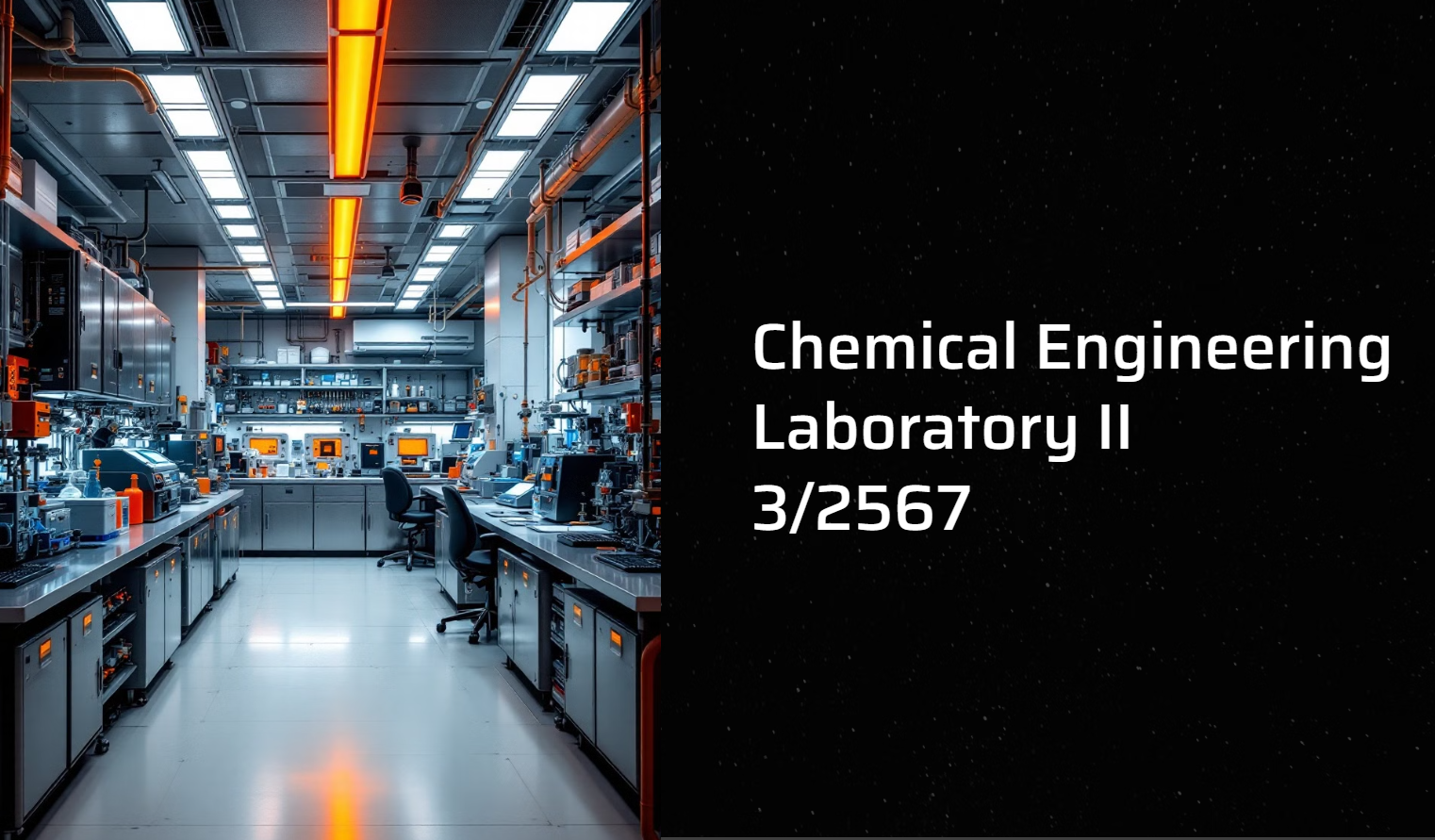
ทบทวนเนื้อหาการออกแบบโรงงานทางวิศวกรรมเคมี บทนำด้านเศรษฐศาสตร์ทั่วไป การแปรผลบัญชีต้นทุนและบัญชีการเงินสำหรับอุตสาหกรรมเคมี การประมาณราคาอุปกรณ์วิศวกรรมเคมีและการประมาณมูลค่าเชิงเศรษฐศาสตร์ของการออกแบบโรงงานทางวิศวกรรมเคมี การประเมินมูลค่าทางเศรษฐศาสตร์ของการเลือกกระบวนการทางวิศวกรรมเคมีและการลงทุนในอุตสาหกรรมเคมี การประเมินผลกระทบทางสิ่งแวดล้อมและผลกระทบทางสุขภาพเบื้องต้น กรณีศึกษาการออกแบบโรงงานอุตสาหกรรมเคมีตามที่ผู้สอนกำหนด
Review of chemical engineering plant design, introduction to general economics; interpreting the accounting data and financial statements in chemical industry, chemical process equipment cost estimation and economic evaluation in chemical engineering plant design, economic evaluation for selection of alternative chemical processes and investment in chemical industry, introduction to environmental impact assessment and health impact assessment, case study of chemical engineering plant design.
การประยุกต์ใช้สมดุลมวลและสมดุลพลังงาน การถ่ายเทมวล การถ่ายเทพลังงาน และการถ่ายเทโมเมนตัม จลนพลศาสตร์ทางเคมีของเอนไซม์ และจุลินทรีย์ในกระบวนการเทคโนโลยีชีวภาพ การสร้างแบบจำลองทางคณิตศาสตร์สำหรับกระบวนการทางเทคโนโลยีชีวภาพ การออกแบบ การควบคุมและการขยายขนาดของถังชีวปฏิกรณ์ การวิเคราะห์เชิงเศรษฐศาสตร์ของกระบวนการทางชีวภาพ ข้อบังคับและมาตรฐานที่ใช้ในอุตสาหกรรมเทคโนโลยีชีวภาพ


รายวิชาพลศาสตร์วิศวกรรม (ENGINEERING DYNAMICS) จะศึกษาการเคลื่อนที่ของอนุภาคและวัตถุแข็งเกร็งในระนาบและการเคลื่อนที่ทั่วไป ที่เป็นคิเนเมติกต์ (Kinematics) และคิเนติกต์(Kinetics) โดยอาศัยกฎการเคลื่อนที่ของนิวตัน วิธีงาน-พลังงาน และวิธีอิมพัลส์-โมเมนตัม
คำอธิบายรายวิชา
ปรัชญาการออกแบบ คุณสมบัติวัสดุ ทฤษฎีความเสียหาย การออกแบบชิ้นส่วนเครื่องกลอย่างง่าย หมุดย้ำ การวิเคราะห์รอยเชื่อม สกรูและอุปกรณ์การจับยึด คีย์และสลัก เพลา สปริง เฟือง สกรูส่งกำลัง อุปกรณ์ต่อเพลา รองลื่น เบรก คลัตช์ สายพาน โซ่ โครงงานการออกแบบ
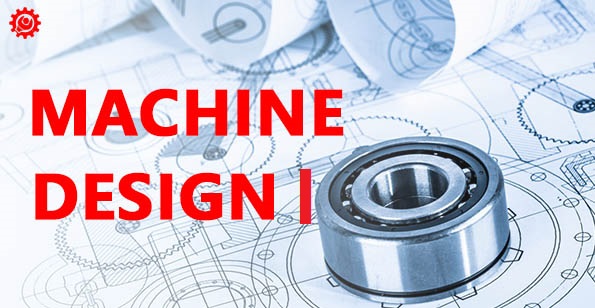

การออกแบบระบบทำความเย็น และการออกแบบระบบปรับอากาศ
ENG25 3120 &525444 MECHANICAL SYSTEM DESIGN -3-66

การออกแบบต้นกำลังและการเลือกใช้ต้นกำลังในเครื่องจักรสำหรับโรงงานอุตสาหกรรมทั่วไปอุตสาหกรรมภาคสนาม และยานพาหนะ การใช้คอมพิวเตอร์ช่วยในการออกแบบ การออกแบบชิ้นส่วนเครื่องกล ประกอบด้วยการออกแบบระบบต้นกำลังและชิ้นส่วนทางกลที่เป็นส่วนประกอบ เช่น คีย์และสลัก เพลา สปริง เฟือง สกรูส่งกำลัง อุปกรณ์ต่อเพลา รองลื่น เบรก คลัตช์ สายพาน โซ่ การออกแบบระดับจับยึดชิ้นงาน เช่น หมุดย้ำ การวิเคราะห์รอยเชื่อม สกรูและอุปกรณ์การจับยึด การใช้ฐานข้อมูลชิ้นส่วนเครื่องจักรกลในการออกแบบ โครงงานการออกแบบ
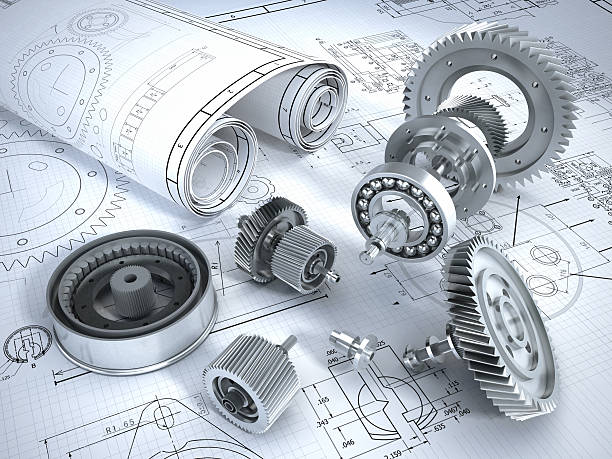
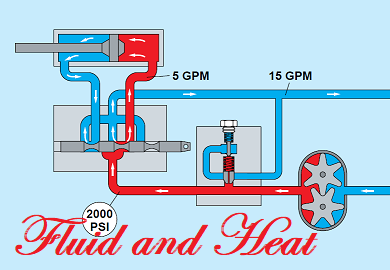
กระบวนการและวัฏจักรเชิงความร้อน กฎข้อที่หนึ่งและกฎขอที่สองของเทอร์โมไดนามิกส์ สมการควบคุมการไหลและความร้อนแบบปริพันธ์ การถ่ายเทความร้อนแบบต่างๆ การวิเคราะห์ปัญหาการไหลและความร้อน ตัวแปรไร้มิติและความเสมือน การไหลในท่อทั้งที่มีและไม่มีความร้อนเกี่ยวข้อง การถ่ายเทความร้อนโดยใช้ของไหลเป็นสารทำงาน หลักการของเครื่องสูบ เครื่องเป่าของไหลและการเลือกใช้
This course provides an introduction of machine learning theory and programming. Topics include (i) programming with libraries related to machine learning (ii) supervised learning (parametric/non-parametric algorithms, support vector machines, kernels, neural networks. (ii) unsupervised learning (k-mean clustering, principle component analysis: PCA). This course will also draw from numerous case studies and applications, so that student will learn how to apply learning algorithms to build smart robots (perception & control), speech recognition, computer vision and other areas.

ระบบควบคุมการขับขี่อัตโนมัติมีการพัฒนาอย่างต่อเนื่องโดยมีการประยุกต์ใช้ Artificial Intelligence อาทิ เรียนรู้ของเครื่อง (Machine Learning) กับยานยนต์ในระบบต่างๆ ไม่ว่าจะเป็นการมองเห็นหรือการรับรู้ แยกแยะสิ่งที่โดยรอบยานยนต์ เพื่อทำให้ยานยนต์สามารถนำข้อมูลต่างๆ เหล่านั้นมาใช้ในการควบคุมให้ยานยนต์สามารถทำภารกิจได้สมบูรณ์ ตัวอย่างเช่น ระบบ Adaptive Cruise Speed Control, Lane Tracking System ใช้การมองเห็นของคอมพิวเตอร์ (Computer Vision) รวมถึงการมองเห็นวัตถุที่กีดขว้างเส้นทาง และใช้เป็นข้อมูลในการตัดสินการสร้างเส้นทางหลบหลีกนั้นเอง


Mechanical Properties of Ceramic
เนื้อหา ความรู้เบื้องต้นเกี่ยวกับวัสดุเชิงประกอบ ประเภทของวัสดุเซรามิกที่เป็นเนื้อหลักและวัสดุเซรามิก
ที่เป็นวัสดุเสริมแรง ปัจจัยสำคัญในการออกแบบ พฤติกรรมเชิงกล ความแข็งแรง ความเหนียว พฤติกรรมระหว่างผิวหน้ารอยต่อ กระบวนการผลิต การใช้ประโยชน์
วิชาบังคับก่อน ไม่มี
จุดประสงค์ เพื่อให้นักศึกษามีความรู้เกี่ยวกับวัสดุเชิงประกอบ
ผู้สอน ผู้ช่วยศาสตราจารย์ ดร.สุขเกษม วัชรมัยสกุล
ระเบียบในการเรียนการสอน
- นักศึกษาทุกคนต้องเข้าเรียนไม่น้อยกว่า ร้อยละ 80 ของเวลาเรียนทั้งหมดมิฉะนั้นจะไม่มีสิทธิสอบ
- วันที่มี Quiz ถ้านักศึกษาไม่มาสอบจะไม่อนุญาตให้สอบภายหลัง (ถ้าลาป่วยต้องมีใบรับรองแพทย์)
การเก็บคะแนน
- Quiz , Homework, Project I, II 10 %
- Midterm I 30 %
- Midterm II 30 %
- Final Exam. 30 %
Total 100 %
หนังสือประกอบการสอน
1. Chawla K.K., Ceramic Matrix Composites, Chapman & Hall. , New York, 1993
2. Trefilov V.I., Ceramic- And Carbon-Matrix Composites, Chapman & Hall. , New York, 1995
3. Donald R. Askeland, Science And Engineering of Materials, PWP Publishing Co.,Ltd., Boston,
1994
4. Larry Horath, Fundamentals of Materials Science for Technologists, Prentice Hall, New
Jersey, 1995
5. Janes S. Bonn, Ceramic Monographs-A Handbook of Ceramics, Verlag Schmid Gmbh,
Freiburg, 1979


หน่วยและมาตรฐานของการวัดทางไฟฟ้า ประเภทและลักษณะของเครื่องมือวัด การวิเคราะห์การวัด การวัดกระแสและแรงดันทั้งไฟฟ้าตรงและสลับโดยใช้เครื่องมือวัดแบบแอนะล็อกและดิจิทัล การวัดกำลัง ตัวประกอบกำลัง พลังงาน ความต้านทาน ความเหนี่ยวนำ ความเก็บประจุ การวัดทางความถี่และทางเวลา สัญญาณรบกวน ทรานสดิวเซอร์ เครื่องวิเคราะห์สเปกตรัมและออสซิโลสโคป การปรับเทียบมาตรฐานของเครื่องมือวัดและปริมาณที่วัดได้

รายวิชา 527347 วิศวกรรไมโครเวฟ สำหรับนักศึกษาที่ต้องการลงทะเบียนในเทอม 3/2567 เท่านั้น!!

ปฎิบัติการเกี่ยวกับวิศวกรรมโทรคมนาคมเบื้องต้น
TELECOMMUNICATION ENGINEERING LABORATORY

Telecommunication Engineering Laboratory II
การเตรียมพอลิเมอร์ด้วยปฏิกิริยาพอลิเมอไรเซชันแบบขั้น (step polymerization) และพอลิเมอไรเซชันแบบลูกโซ่ การหาอัตราปฏิกิริยา การคำนวณน้ำหนักโมเลกุลพอลิเมอร์ที่สังเคราะห์ได้
Course Outline
โครงสร้างสายโซ่ (chain structure) โครงรูปสายโซ่ (chain conformations) โครงร่างสายโซ่ (chain configurations) สเตอรีโอเคมี (stereochemistry)น้ำหนักโมเลกุล (molecular weight) และเทคนิคการหาน้ำหนักโมเลกุล ขนาดของพอลิเมอร์ (Chain size) สถานะอสัณฐาน (amorphous state) และสถานะผลึก (crystalline state) พอลิเมอร์อสัณฐาน ทรานสิชันของพอลิเมอร์อสัณฐาน (transition of amorphous polymers) ทฤษฎีอุณหภูมิทรานสิชันแก้ว ผลของโครงสร้างทางเคมีต่ออุณหภูมิทรานสิชันแก้ว โครงสร้างผลึกและแบบจำลองสถานะผลึก จลนศาสตร์ของการเกิดผลึก การหลอมเหลวและผลของโครงสร้างทางเคมีต่ออุณหภูมิหลอมเหลว อุณหพลศาสตร์ของการหลอมเหลว สารละลายพอลิเมอร์ (polymer solution) ระบบพอลิเมอร์-ตัวทำละลาย (polymer-solvent system) กระบวนการละลาย พารามิเตอร์การละลาย (solubility parameter) โครงรูปสายโซ่พอลิเมอร์ในสารละลาย อุณหพลศาสตร์ของสารละลายพอลิเมอร์ ชนิดของสารละลาย อันตรกิริยาของพอลิเมอร์-ตัวทำละลาย สมดุลเฟส (phase equilibrium) ความหนืดของสารละลาย (solution viscosity) พอลิเมอร์ผสม (polymer-polymer blends) ความเข้ากันได้ (miscibility) ไดอะแกรมเฟส (phase diagram) อุณหพลศาสตร์ของการแยกเฟส (phase separation) สัณฐานวิทยาของพอลิเมอร์ผสม (polymer blend morphology)
528403 และ 528416 วิศวกรรมความปลอดภัย 2 (2-0-4)
(Safety Engineering)
วิชาบังคับก่อน: โดยความเห็นชอบของสาขาวิชาฯ
หลักการเกี่ยวกับชีวอนามัย ความปลอดภัย และการป้องกันเชิงสิ่งแวดล้อม อันตรายจากเครื่องจักรกลและอุปกรณ์ป้องกัน อันตรายจากไฟฟ้าและอุปกรณ์ป้องกัน อันตรายจากอัคคีภัย การประทุ และวิธีป้องกัน ความปลอดภัยจากสารเคมีเป็นพิษและประทุได้ อันตรายจากความร้อนและการทำงานที่อุณหภูมิสูง กฎหมายเกี่ยวกับความปลอดภัย หลักการจัดการเรื่องความปลอดภัยในการทำงาน สาระสำคัญเกี่ยวกับความปลอดภัยและหลักจิตวิทยาในอุตสาหกรรม
ผลสัมฤทธิ์การเรียนรู้
เมื่อสิ้นสุดการเรียนรายวิชานี้ ผู้เรียนควรมีความสามารถด้านต่างๆ ต่อไปนี้
- สามารถวิเคราะห์สาเหตุของการเกิดอุบัติเหตุ และอันตรายที่เกี่ยวข้องกับการทำงานในลักษณะต่างๆได้
- สามารถเลือกอุปกรณ์ป้องกันภัยที่เหมาะสมกับลักษณะของการเกิดอันตรายได้อย่างมีประสิทธิภาพ
- จำแนกการบาดเจ็บและเลือกใช้วิธีปฐมพยาบาลที่เหมาะสมเพื่อลดอันตรายที่จะเกิดขึ้นกับผู้บาดเจ็บ
- มีจิตสำนึกเรื่องความปลอดภัยของตนเอง ผู้ร่วมงาน และสิ่งแวดล้อม
528403 Safety Engineering
Principles of health, safety and environmental protection, mechanical hazards and safeguarding, electrical hazards and safety, fire and explosion hazards and protection, toxic substances and explosive hazards and safety, heat and temperature hazards at work, safety laws, principle of safety management , element of industrial safety psychology.
Learning Outcomes
On completion of this course, the student should be able to
- Analysis the causes of accidents and hazards that can occur in workplaces,
- Properly selects safeguarding and protective equipment for different work environments.
- Identify the common injuries and correctly provide fist aids to the injured person.
- Become aware of the safety of oneself, collogues, and environment.
Couse Description
This course will cover the fundamentals of engineering design for plastic injection mold, mold cost estimation, and basic product design for injection molding manufacturing. Topics include mold type, structure, and standard components and theirs functions, design of balanced runners, design of gates, vents, cooling, and ejecting system, estimate mold shrinkage, mold material selection and maintenance.
Learning Outcomes
On completion of this course, the student should be able to
1. Explain the mold manufacturing process.
2. Identify classifications of molds, the considerations necessary for design, and the function of design components.
3. Estimate cost of plastic products, molds, and time for mold manufacturing
4. Design a system, component, or process to meet desired needs
5. Apply knowledge of mathematics, science, and engineering to analyze and solve engineering problem.
Couse Description
This course will cover the fundamentals of engineering design for plastic injection mold, mold cost estimation, and basic product design for injection molding manufacturing. Topics include: mold type, structure, and standard components and theirs functions, design of balanced runners, design of gates, vents, cooling, and ejecting system, estimate mold shrinkage, mold material selection and maintenance.

ชื่อวิชา วิศวกรรมความปลอดภัย
คำอธิบายรายวิชา
หลักการเกี่ยวกับชีวอนามัย ความปลอดภัย และการป้องกันเชิงสิ่งแวดล้อม อันตรายจากเครื่องจักรกลและอุปกรณ์ป้องกัน อันตรายจากไฟฟ้าและอุปกรณ์ป้องกัน อันตรายจากอัคคีภัย การประทุ และวิธีป้องกัน ความปลอดภัยจากสารเคมีเป็นพิษและประทุได้ อันตรายจากความร้อนและการทำงานที่อุณหภูมิสูง กฎหมายเกี่ยวกับความปลอดภัย หลักการจัดการเรื่องความปลอดภัยในการทำงาน สาระสำคัญเกี่ยวกับความปลอดภัยและหลักจิตวิทยาในอุตสาหกรรม
ผลลัพธ์การเรียนรู้ของหลักสูตรที่รายวิชารับผิดชอบ
PLO1: สามารถระบุประเด็นปัญหา หาแนวทางแก้ปัญหาทางวิศวกรรมพอลิเมอร์ที่ซับซ้อนได้ โดยประยุกต์หลักการทางด้านวิศวกรรมศาสตร์ วิทยาศาสตร์ และคณิตศาสตร์
PLO6: มีความเข้าใจความรับผิดชอบของวิศวกรตามกรอบมาตรฐานการปฏิบัติวิชาชีพและจรรยาบรรณแห่งวิชาชีพวิศวกรรมพอลิเมอร์ มีวิจารณญาณ การพิจารณาตัดสินใจ ที่ต้องคำนึงถึงผลกระทบต่อโลกเศรษฐกิจ-สังคม และสิ่งแวดล้อม
Course Description
Principles of health, safety and environmental protection, mechanical hazards and safeguarding, electrical hazards and safety, fire and explosion hazards and protection, toxic substances and explosive hazards and safety, heat and temperature hazards at work, safety laws, principle of safety management, element of industrial safety psychology.
Course Responsibility to Program Learning Outcome
PLO1: An ability to identify, formulate, and solve complex polymer engineering problems by applying principles of engineering science, and mathematics.
PLO6: An ability to recognize ethical and professional responsibilities in polymer engineering situations and make informed judgement, which must consider the impact of polymer engineering solutions in global, economic, environmental, and societal contexts.
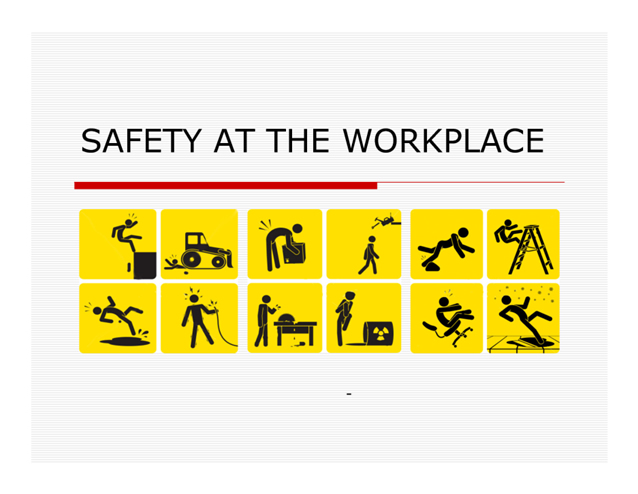
Fundamental of Packaging, Packaging Functions, Packaging and Society, The Packaging Supply Chain, Packaging Legislation
Packaging and Environmental Sustainability, Packaging and Marketing.
Plastic Materials for Packaging Components, Basics of Polymer Chemistry for Packaging Materials, Plastics Manufacturing, Processes for Packaging Materials, Packaging Closures, Adhesives for Packaging, Labels for Packaging.
Recent Trend in Packaging Technologies, Modified Atmosphere Packaging and other Active Packaging Systems, Developments in Plastic Materials and Recycling Systems for Packaging, Nanotechnology and the Packaging, Smart and Interactive Packaging Developments for Enhanced Communication at the Packaging/User Interface.
การจำลองผลระบบไฟฟ้ากำลังด้วยซอฟต์แวร์ทางการค้า การใช้โปรแกรม PowerWorld™ สำหรับการวิเคราะห์ระบบส่งจ่ายไฟฟ้ากำลัง 3 เฟส แบบสมดุล การใช้โปรแกรม DIgSILENT® สำหรับการวิเคราะห์ระบบจ่ายไฟฟ้ากำลัง 3 เฟส แบบไม่สมดุล การใช้โปรแกรม ATP/EMTP สำหรับการวิเคราะห์ระบบไฟฟ้ากำลัง 3 เฟส ในภาวะชั่วครู่

Application of fluid mechanics principles to study and practice of hydraulic engineering, piping system, water hammer, pumps and turbines, open channel flow, design reservoir, dams, spillways, hydraulic models.
General properties of engineering materials: metals, ceramics, polymers and composite; classification of metallic materials; crystal structures of metals; macro and microstructure of metals; mechanical properties and mechanical
testing; phase equilibrium diagrams and their interpretations; metal processing; heat treatment of metals; structure-property-processing-application relationships in engineering materials; materials degradation.
Statics of materials under external loading: Elastic behaviors; Plastic deformation; Stress analysis in two and three dimensions; Yield criteria; Effects of temperature, strain rate, residual stress, metallurgical factors and defects on mechanical behaviors of metals; Strengthening mechanisms in metals; Introduction to fracture mechanics, modes of fracture; fracture analysis in metals; Mechanical properties and mechanical testing, e.g., hardness, tension, torsion, creep, impact toughness, fracture toughness and fatigue; Analysis of mechanical properties for engineering design and applications
Introduction to mechanical testing for engineering applications; Assessment and analytical techniques of experimental data; Engineering measurement; Hardness testing; Measurement of stress and strain; Tensile testing; Torsion testing; Creep testing; Impact testing; Bend testing; Fatigue testing; Fractography
Metallurgy of commercial nonferrous metals, e.g, aluminium, magnesium, copper, zinc, titanium, nickel; Alloying, melting and forming into engineering components; Phase diagrams of alloys; Correlations among microstructure, physical, mechanical and corrosion properties affecting their utilizations in engineering services; Mechanical property improvement of nonferrous alloys; heat treatment in aluminium alloys, copper alloys and titanium alloys; Metallurgy and engineering significance of other nonferrous alloys, e.g., tin, lead, gold, and silver.
Stress-strain relationships; Elastic behavior, stress analysis in two and three dimensions; Yield criteria; Theory of plasticity; Dislocation theory; Deformation parameters and metallurgical factors affecting deformation in metals; Fractures; Standard mechanical testing: hardness, compression, tensile, creep, torsion, bending and impact testing; Introduction to fracture mechanics and safety assessment; Fatigue-life assessments, fatigue crack growth; Mechanical failures and prevention

Mechanical testing of metallic materials such as tensile, hardness, impact, creep, fatigue, torsion and bending according to the standard test methods. Fractography is followed to characterize the failure mode of each test on different engineering alloys. Analysis of test data is required.
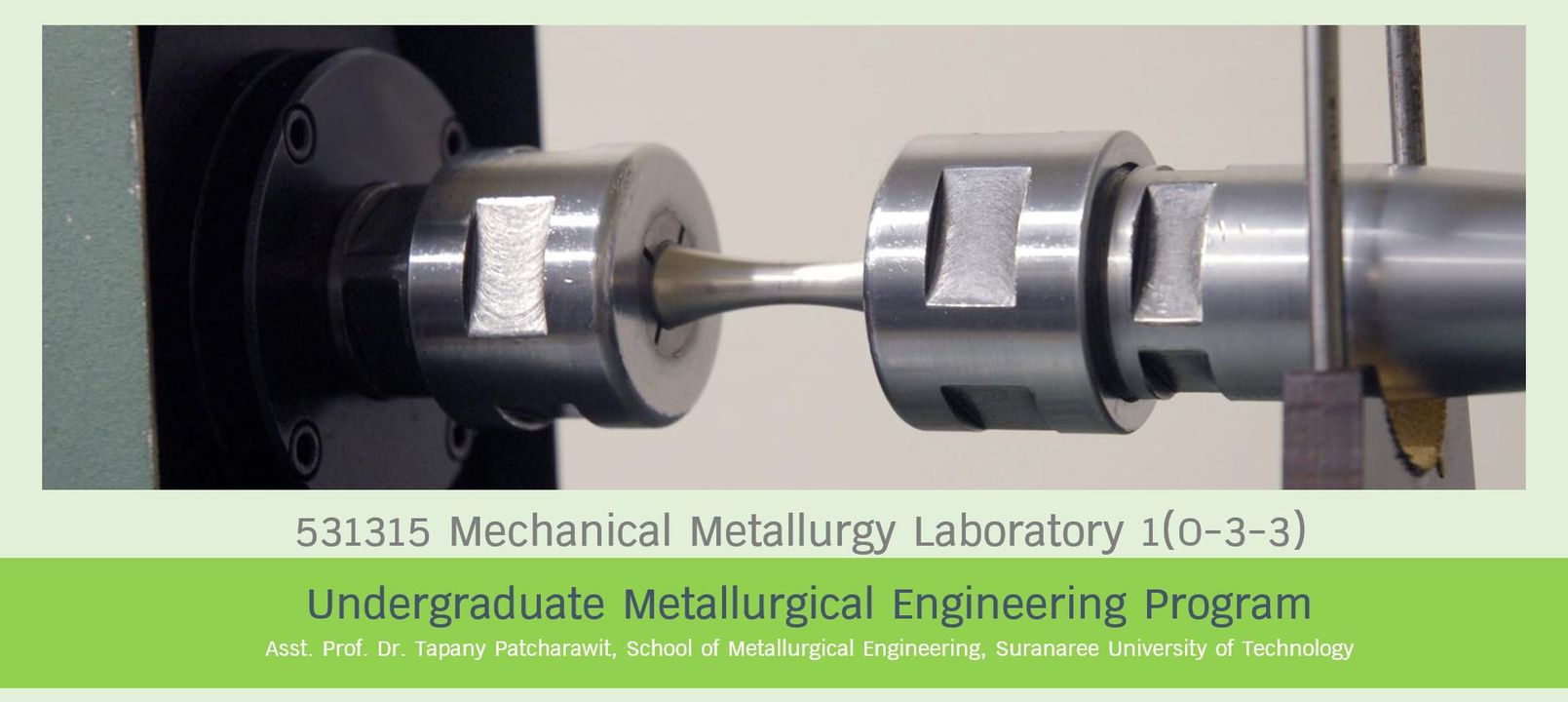
Current and market trends of metal injection moulding; Process attributes and limitations; Powder characteristics and fabrication; Feedstock formulation; Toolings and injection moulding maching; Moulding of engineering components; Controlled moulding parameters and defects; Debinding techniques; Sintering mechanisms and practice; Final processing and quality issues; Optimization and design guide; Case study for metal injection moulding of metallic parts

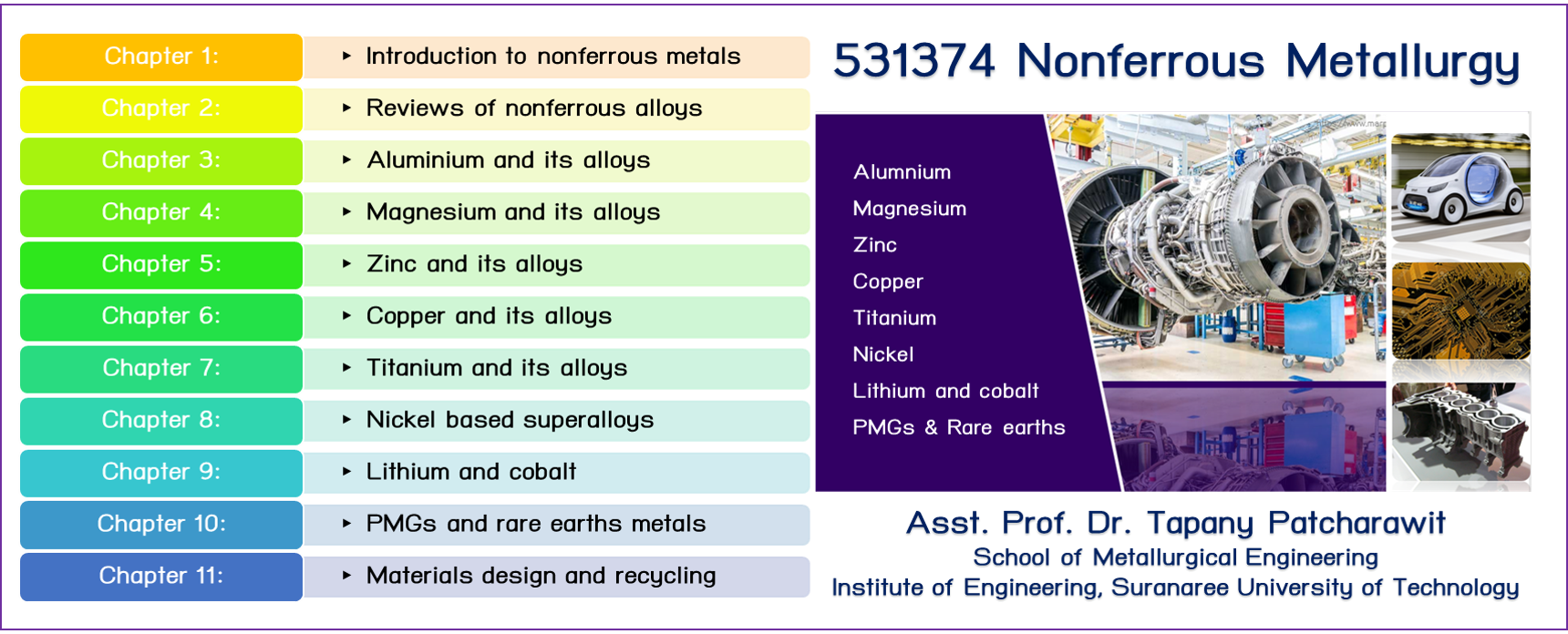
Metallurgy of commercial nonferrous metals and alloys: aluminium, magnesium, copper, zinc, titanium, nickel and other significant alloys such as cobal, lithium, precious metals group (PMG) and rare earth metals; Phase equilibrium diagrams of selected nonferrous alloy systems; Relationships among chemical compositions, microstructures, forming processess and heat treatments; Factors influencing physical, mechanical and chemical properties of nonferrous metals; Selection of nonferrous metals for engineering applications; Protection of metal degradation in service; Newly developed forming technology for high performance nonferrous metals and alloys.
Conducting project on the topic of interest concerning metallurgical engineering. This includes literature survey, proposal of research topic, experimentation, progress. Research summary report or manuscript and oral presentation are required to fulfill the course assessment by advisors and project assessment committee.
แจ้งให้นักศึกษาทั้ง 7 กลุ่มที่ผ่านการประกวดโครงงานวิจัยฯ ภาค 1/2566
ขอให้ตัวแทนกลุ่มส่งไฟล์ ดังต่อไปนี้
- เล่มรายงานโครงงานวิจัย (pdf. เท่านั้น)
- ไฟล์โปสเตอร์นำเสนอ (pdf. เท่านั้น)
โดยให้ส่งภายในวันจันทร์ที่ 6 พ.ย. 2566 เวลา 16.30 น. เท่านั้น หากไม่ส่งไฟล์ดังกล่าว จะไม่ออกเกรดให้ค่ะ
Necessary fundamentals for environmental engineering students including roles and responsibilities of environmental engineers, professional ethics, works for environmental engineering profession, works in other environmental professions, and fundamental sciences for environmental engineering study.
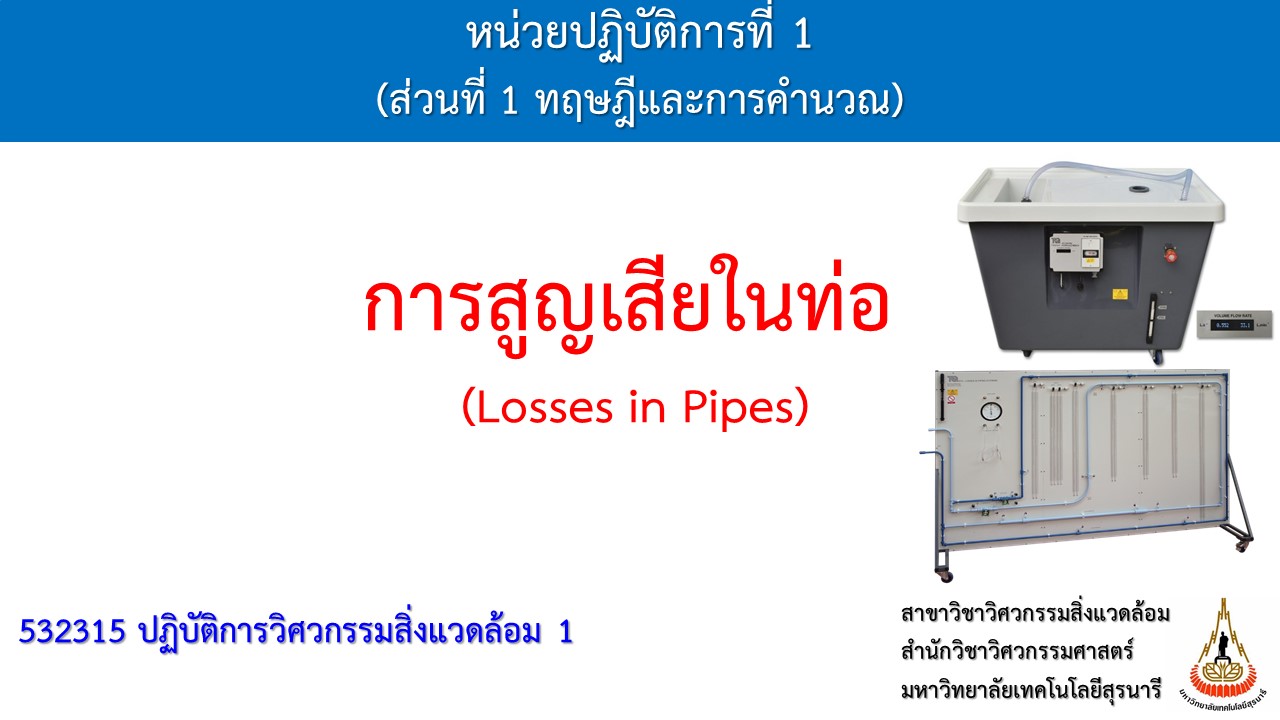
การทดลองที่ 1 การสูญเสียในท่อ (Losses in Pipe)
ปฏิบัติการวิศวกรรมสิ่งแวดล้อม 532315 : Environmental Engineering Laboratory
การแก้ไขปัญหาสิ่งแวดล้อมของภาคอุตสาหกรรมโดยการจัดการ หน่วยงานมาตรฐานระหว่างประเทศและหน่วยที่บริการด้านการจัดการสิ่งแวดล้อม มตรการและมาตรฐานด้านการจัดการสิ่งแวดล้อมในระดับโลกและระดับประเทศ อาทิ ISO มอก. ROHS WEEE CFP การจัดการสิ่งแวดล้อมอุตสาหกรรมที่เป็นส่วนสมัครใจ เทคโนโลยีสะอาด
หลักการเบื้องต้นนโยบายคุณภาพสิ่งแวดล้อมระดับชาติ หลักการมาตรฐานคุณภาพสิ่งแวดล้อม
และข้อกำหนดในจัดเตรียมการศึกษาผลกระทบทางด้านสิ่งแวดล้อม นโยบายและกฎหมายที่เกี่ยวข้องกับสิ่งแวดล้อมของต่างประเทศ กฎหมายสิ่งแวดล้อมของไทย และความสำคัญของสิ่งแวดล้อมต่อการค้าระหว่างประเทศของไทย
เศรษฐศาสตร์วิศวกรรมเบื้องต้น มูลค่าเทียบเท่าและความสัมพันธ์ของเวลาและค่าของเงิน การคำนวณเกี่ยวกับดอกเบี้ย การเปรียบเทียบทางเลือกในการลงทุนโดยการใช้อัตราผลตอบแทนภายในและอัตราผลกำไรต่อต้นทุน การคิดค่าเสื่อมราคาและภาษี การหาจุดคุ้มทุน การวิเคราะห์ความไว การประยุกต์ใช้เศรษฐศาสตร์ในโครงการพัฒนาด้านสิ่งแวดล้อม
Course description
ความรู้พื้นฐานเกี่ยวกับกระบวนการเกิดก๊าซชีวภาพ กลไกการทำงานของจุลินทรีย์ในระบบก๊าซชีวภาพ การศึกษาคุณสมบัติของของเสีย การคำนวณพารามิเตอร์ของกลไกการเกิดก๊าซชีวภาพ การออกแบบระบบ Modified Covered Lagoon (MCL) เมื่อใช้วัตถุดิบที่แตกต่างกัน เช่น น้ำเสียจากอุตสาหกรรมแป้งมันสำปะหลัง กากแป้งมันสำปะหลัง น้ำเสียกากส่าและการดูแลระบบบำบัดน้ำเสียเพื่อให้ได้ค่ามีเทน (CH4) ตามที่ต้องการ
สรุปหลักการโดยย่อทางเศรษฐศาสตร์โดยเน้นเรื่องดอกเบี้ยและค่าของเงินที่เปลี่ยนไปตามเวลา การวิเคราะห์และเปรียบเทียบการลงทุนแบบต่างๆ สำหรับโครงการทางวิศวกรรม เช่น การวิเคราะห์จุดคุ้มทุน การคิดค่าเสื่อมราคา การประเมินการทดแทน ความเสี่ยงและความไม่แน่นอน การวิเคราะห์ผลที่เกิดขึ้นภายหลังจากหักภาษีเงินได้
ฝึกปฏิบัติเกี่ยวกับขั้นตอนการหาเวลามาตรฐาน การใช้นาฬิกาจับเวลา การใช้เครื่องมือหรืออุปกรณ์ช่วย ในการวิเคราะห์การทำงาน การศึกษาการทำงาน การใช้คอมพิวเตอร์เพื่อช่วยการออกแบบ การเขียนโปรแกรมสั่งการ ทำงานเครื่องซีเอ็นซี ฝึกปฏิบัติการการใช้เครื่องมือวัดละเอียด
เมื่อเสร็จสิ้นการเรียนในวิชานี้แล้วนักศึกษาสามารถ
1. ใช้เครื่องมือวัดละเอียด ได้แก่ ไมโครมิเตอร์ ไดอัลเกจ และเวอร์เนีย คาลิปเปอร์ ในการเก็บข้อมูลวัดขนาดสลิปเกจได้ถูกต้อง
2. ปฏิบัติงานและใช้อุปกรณ์ในห้องปฏิบัติการวัดละเอียดได้คล่องแคล่วและถูกต้องตามขั้นตอนการทดลอง
3. เลือกและใช้เครื่องมือวัดละเอียดได้ถูกต้อง โดยคำนึงถึงข้อกำหนดของชิ้นงานที่ต้องการวัดและข้อจำกัดของเครื่องมือวัดละเอียด
4. ใช้นาฬิกาจับเวลาและเครื่องมือหรืออุปกรณ์ในการหาเวลามาตรฐานได้
5. ใช้เครื่องมือควบคุมคุณภาพในรูปแบบโปรแกรมเพื่อค้นหาและวิเคราะห์ สาเหตุของปัญหาได้
6. บันทึกข้อมูลจากการทดลองได้ถูกต้อง วิเคราะห์ข้อมูลและแปรผลจากการทดลองนำไปสรุปผลได้ถูกต้อง
533265 MECHANICAL ENGINEERING LABORATORY FOR INDUSTRIAL ENGINEERING ภาคการศึกษา 3/2567 (อ.นัทธ์ดนัย)
พื้นฐานการศึกษาด้านการปฏิบัติการทางวิศวกรรม การใช้เครื่องมือวัด เช่น เครื่องมือวัดความดัน อุณหภูมิ ความเครียด การทดสอบวัสดุ เช่น แรงดึง แรงบิด แรงเฉือน ความล้าของโลหะ การทดสอบทางกลศาสตร์ของไหล การวัดความเร็วของไหล การวัดแรงกระแทกของไหล การไหลในท่อ เป็นต้น
เมื่อเสร็จสิ้นการเรียนในวิชานี้แล้วนักศึกษาสามารถ
1. เลือกและใช้เครื่องมือทางวิศวกรรมเครื่องกลได้ โดยคำนึงถึงข้อกำหนดและข้อจำกัดของเครื่องมือและอุปกรณ์นั้น
2. ดำเนินการทดลอง บันทึกข้อมูลจากการทดลองได้ถูกต้อง วิเคราะห์ข้อมูลและแปรผลจากการทดลองนำไปสรุปผลได้ถูกต้อง
3. ใช้โปรแกรมคอมพิวเตอร์ในการจำลองผลด้านเทอร์โมฟลูอิดส์ในบริบทของวิศวกรรมอุตสาหการได้อย่างมีประสิทธิผล
วิธีการเรียนรู้ของเครื่องจักรสำหรับข้อมูลขนาดใหญ่ การวิเคราะห์เชิงสำรวจ การวิเคราะห์เชิงทำนายสำหรับข้อมูลใหญ่ เทคนิคการจำแนกประเภท การประเมินผลตัวแบบ การจัดกลุ่มและการวิเคราะห์การเชื่อมโยง
ศึกษาความปลอดภัยเบื้องต้นในโรงงานอุตสาหกรรมโดยครอบคลุมวิธีป้องกันและแก้ไขสิ่งที่ก่อให้เกิดอันตรายในการผลิต หลักการควบคุมสิ่งแวดล้อมทางอุตสาหกรรม กฎหมายเกี่ยวกับความปลอดภัย หลักของการบริหารความปลอดภัย รวมทั้งบทบาทและหน้าที่ความรับผิดชอบของวิศวกรอุตสาหการ ความปลอดภัยในโรงงาน หลักจิตวิทยาเบื้องต้นในโรงงานอุตสาหกรรม การป้องกันอัคคีภัยและอันตรายจากรังสี
ความรู้ทั่วไปเกี่ยวกับความปลอดภัยและการป้องกันความสูญเสีย การศึกษาวิเคราะห์และออกแบบระบบงานเพื่อความปลอดภัย การยศาสตร์ สิ่งแวดล้อม อุปกรณ์ป้องกันอันตรายส่วนบุคคล ระบบบริหารจัดการอาชีวอนามัยและความปลอดภัย กฎหมายที่เกี่ยวข้องกับความปลอดภัย ระบบดับเพลิง การประเมินความเสี่ยงในอุตสาหกรรม การดำเนินการจัดการกากอุตสาหกรรมที่มาจากวัตถุของเสีย น้ำเสีย มลพิษจากอากาศ รวมทั้งกากกัมมันตภาพรังสี
Learning about Software or Information Technology that most used in Industrial Engineer and Practice to write computer programming for Industrial Engineer

ปฏิบัติการเพื่อเรียนรู้หลักการของเครื่องมือทดสอบวัสดุและเครื่องมือวัด ฝึกทักษะการใช้เครื่องมือวัด เช่น เครื่องมือวัดขนาด เครื่องมือวัดความดัน เครื่องมือวัดอุณหภูมิ เครื่องมือวัดความเครียด และทักษะการทดสอบสมบัติเชิงกกลของวัสดุ เช่น การทดสอบแรงดึง การทดสอบแรงบิด การทดสอบความล้า และการทดสอบการคืบ
Principle of using measuring device and material testing equipment; practice of measuring techniques for pressure measurement, temperature measurement, strain measurement, force measurement, and dimension measurement; practice of material testing such as tensile test, torsion test, fatigue test, and creep test.
การเตรียมหัวข้อโครงงานหรือปัญหาที่น่าสนใจทางปฏิบัติในด้านต่าง ๆ ของวิศวกรรมการผลิต การวิเคราะห์ปัญหา และแนวทางการแก้ไขปัญหาที่สนใจ เขียนรายงานเพื่อเตรียมนำเสนอหัวข้อและมีการสอบปากเปล่า
โครงงานหรือปัญหาที่น่าสนใจทางปฏิบัติในด้านต่าง ๆ ของวิศวกรรมการผลิต โครงงานต้องครอบคลุมหัวข้อที่เกี่ยวข้องกับหลักการทางด้านวิศวกรรมการผลิต เพื่อสร้างประสบการในการทำโครงงานวิศวกรรม ทั้งทักษะการคิด การตัดสินใจ, การนำเสนอ ความเข้าใจวิธีการและขั้นตอนในการทำโครงงานวิศวกรรม เขียนรายงานฉบับสมบูรณ์และมีการสอบปากเปล่า
It covers the basics of MATLAB including simple commands, variables, vector, matrix, plotting, solving equations, differentiation, integration, differential equations and fundamentals of programming in the MATLAB environment. Moreover, you will study the principles of MATLAB program along with its functions and applications for solving numerical and engineering problems especially related to Manufacturing Engineering.
แนะนำการใช้โปรแกรมแมทแลบเบื้องต้น การดำเนินการแมทริกซ์ ฟังก์ชันของแมทแลบ การ เขียนเอ็มไฟล์ การทำผลเฉลยของระบบสมการเชิงเส้นที่เกี่ยวข้องในงานวิศวกรรม การประมาณค่าช่วงและการปรับเส้นโค้ง การหาอนุพันธ์และปริพันธ์เชิงตัวเลขของปัญหาทางวิศวกรรม ผลเฉลยของสมการเชิงอนุพันธ์สามัญของปัญหาทางวิศวกรรม ภาพกราฟฟิกส์ คณิตศาสตร์เชิงสัญลักษณ์ การเขียนโปรแกรมที่ติดต่อกับผู้ใช้โดยกราฟฟิกส์ด้วยแมทแลบ กรณีศึกษาทางวิศวกรรมการผลิต
บทนำเกี่ยวกับเกี่ยวทฤษฎีฟัซซี่เซต ทฤษฎีเซตแบบดั้งเดิม แนวคิดเบื้องต้นและคุณสมบัติของฟัซซี่ ความสัมพันธ์แบบดั้งเดิม ความสัมพันธ์แบบฟัซซี่ เลขคณิตเชิงฟัซซี่ ฟัซซี่ลอจิก กลไกการอนุมานของฟัซซี่ลอจิก การประยุกต์ใช้ฟัซซี่ลอจิกด้วยโปรแกรมแมทแลบ กรณีศึกษาด้านวิศวกรรม
Introduction to fuzzy sets theory, classical sets theory, basic concepts and properties of fuzzy sets, classical relations, fuzzy relations, fuzzy arithmetic, fuzzy logic, fuzzy inference system, fuzzy logic applications with MATLAB, case study for engineering problems.
536304 AUTOMOTIVE PRODUCTION
กรรมวิธีการผลิตและเทคโนโลยีการผลิต การผลิตชิ้นส่วนโลหะ การพ่นสี การเคลือบวัสดุ การผลิตชิ้นส่วนเซรามิก และชิ้นส่วนพอลิเมอร์ มาตรฐานของชิ้นส่วนยานยนต์ วิธีการตรวจสอบคุณภาพของชิ้นส่วนยานยนต์ มาตรฐานการทดสอบคุณภาพรถยนต์ มีการศึกษาและดูงานโรงงานผลิตและโรงงานประกอบชิ้นส่วนยานยนต์
ผลสัมฤทธิ์การเรียนรู้
นักศึกษาสามารถบอกกรรมวิธีการผลิตที่เกี่ยวข้องกับชิ้นส่วนยานยนต์และอธิบายหลักการพื้นฐานได้นักศึกษารู้จักมาตรฐานคุณภาพที่เกี่ยวข้องกับยานยนต์นักศึกษาสามารถอธิบายภาพรวมของการผลิตและประกอบยานยนต์ได้
วัตถุประสงค์
เพื่อให้นักศึกษามีความรู้ความเข้าใจ
1) วัสดุทางวิศวกรรมประเภทต่างๆ ที่ใช้ในการผลิตชิ้นส่วนยานยนต์
2) กระบวนการขึ้นรูปชิ้นส่วนยานยนต์ที่ผลิตจากวัสดุประเภทโลหะ
3) กระบวนการขึ้นรูปชิ้นส่วนยานยนต์ที่ผลิตจากเซรามิก
4) กระบวนการขึ้นรูปชิ้นส่วนยานยนต์ที่ผลิตจากพอลิเมอร์
5) มาตรฐานในการตรวจสอบชิ้นส่วนยานยนต์และรถยนต์
6) กระบวนการประกอบยานยนต์
7) การบริหารจัดการกระบวนการผลิตยานยนต์
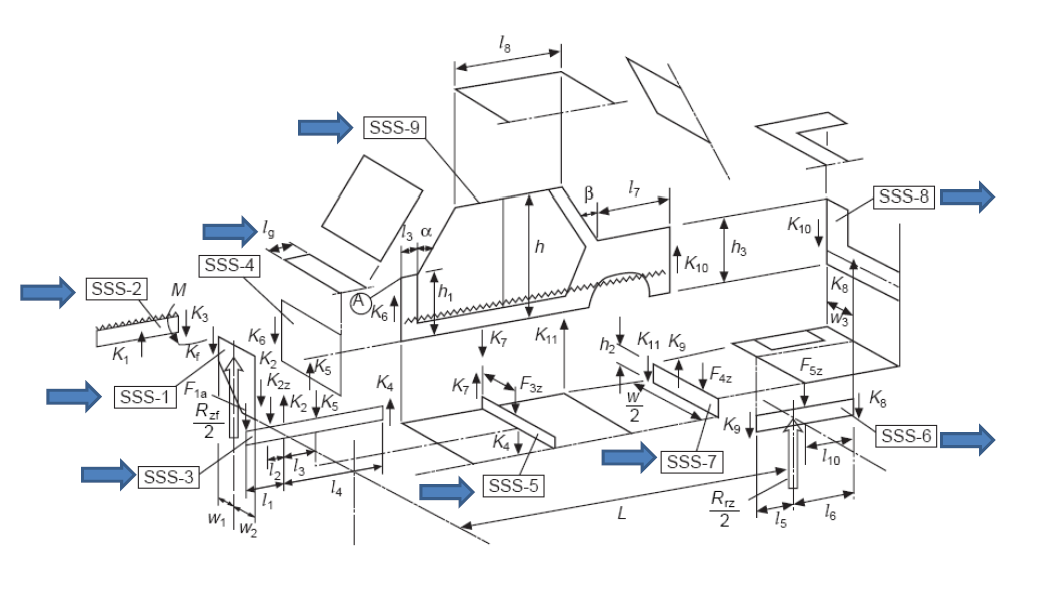

คำอธิบายรายวิชา
เซนเซอร์และทรานสดิวเซอร์ในเครื่องยนต์ การตรวจวัดสัญญาณทางไฟฟ้าจากจากเซนเซอร์และทรานสดิวเซอร์ โครงสร้างสถาปัตยกรรมไมโครคอนโทรเลอร์และตัวประมวลผลสัญญาณดิจิตอลสำหรับหน่วยควบคุมอิเล็กทรอนิกส์สำหรับเครื่องยนต์ ซอฟท์แวร์ควบคุมและการเชื่อมต่ออุปกรณ์ภายนอก ระบบควบคุมแบบป้อนกลับ การควบคุมเครื่องยนต์สูบเดี่ยว การควบคุมเครื่องยนต์หลายสูบ
ผลสัมฤทธิ์การเรียนรู้
- นักศึกษาสามารถตรวจวัดสัญญาณจากเซนเซอร์และทรานสดิวเซอร์ที่ใช้ในเครื่องยนต์ได้
- นักศึกษาสามารถรับส่งค่าสัญญาณจากเซนเซอร์และทรานสดิวเซอร์แสดงผลผ่านซอฟท์แวร์ควบคุมการทำงานของหน่วยควบคุมอิเล็กทรอนิกส์ได้
- นักศึกษาสามารถใช้หน่วยควบคุมอิเล็กทรอนิกส์ เพื่อควบคุมการทำงานของเครื่องยนต์สูบเดียวได้
- นักศึกษาสามารถใช้หน่วยควบคุมอิเล็กทรอนิกส์เพื่อควบคุมการทำงานของเครื่องยนต์หลายสูบได้


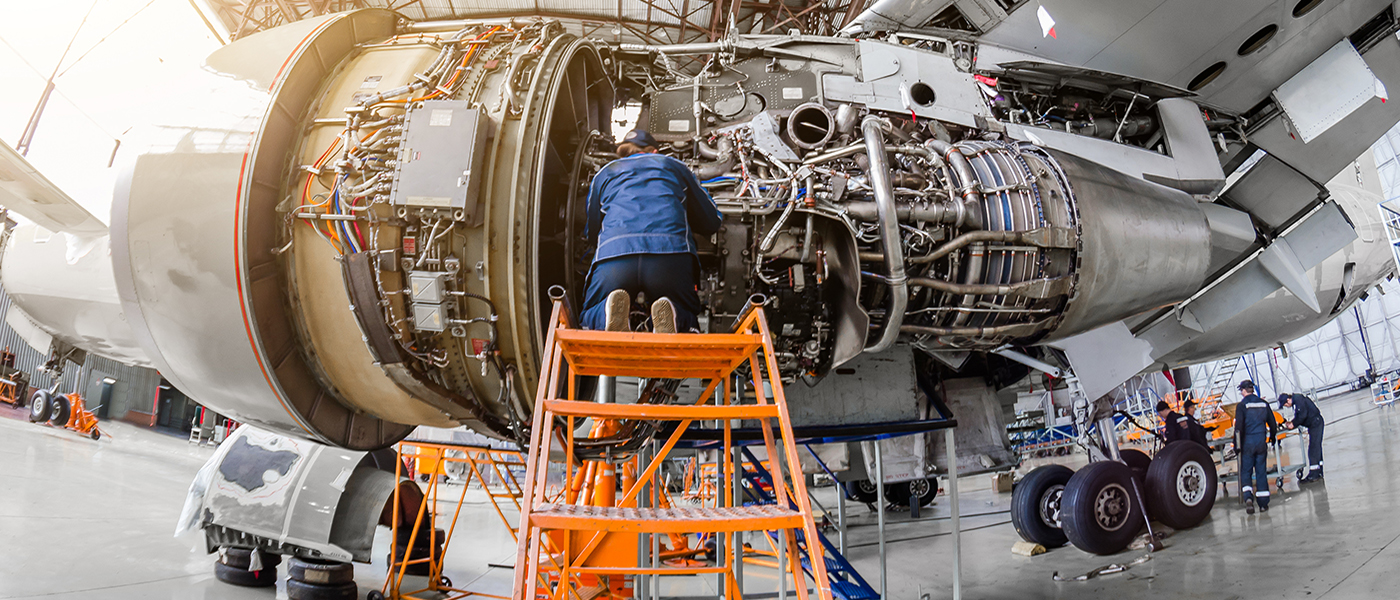
537200 พื้นฐานวิศวกรรมอากาศยาน 1(0-3-3)
(Aeronautical Engineering Fundamentals)
วิชาบังคับก่อน : ไม่มี
พื้นฐานในการศึกษาวิชาทางวิศวกรรมอากาศยาน ภาพรวมของวิชาวิศวกรรมอากาศยาน การใช้อุปกรณ์และเครื่องมือต่าง ๆ ที่ใช้ในการศึกษาวิชาวิศวกรรมอากาศยาน ความรู้เกี่ยวกับหลักการบินพื้นฐาน ระบบและส่วนประกอบต่าง ๆ ของอากาศยาน การใช้โปรแกรมคอมพิวเตอร์สำเร็จรูปเพื่อประโยชน์ในการศึกษาวิชาวิศวกรรมอากาศยาน
ผลสัมฤทธิ์การเรียนรู้
นักศึกษาสามารถบอกถึงพื้นฐานสำคัญในการศึกษาทางวิศวกรรมอากาศยาน สามารถอธิบายภาพรวมของวิชาทางวิศวกรรมอากาศยาน สามารถจำแนก อธิบาย และใช้อุปกรณ์และเครื่องมือพื้นฐานที่จำเป็นต่อการศึกษาทางวิศวกรรมอากาศยานได้อย่างถูกต้อง สามารถอธิบายหลักการบินพื้นฐานได้อย่างถูกต้อง สามารถจำแนกและอธิบายส่วนประกอบและระบบการทำงานของอากาศยานได้ สามารถใช้โปรแกรมคอมพิวเตอร์สำหรับการคำนวณและแก้ปัญหาในการศึกษาทางวิศวกรรมอากาศยาน

ปฏิบัติการ F11 ชั้น 4 ห้อง F11406
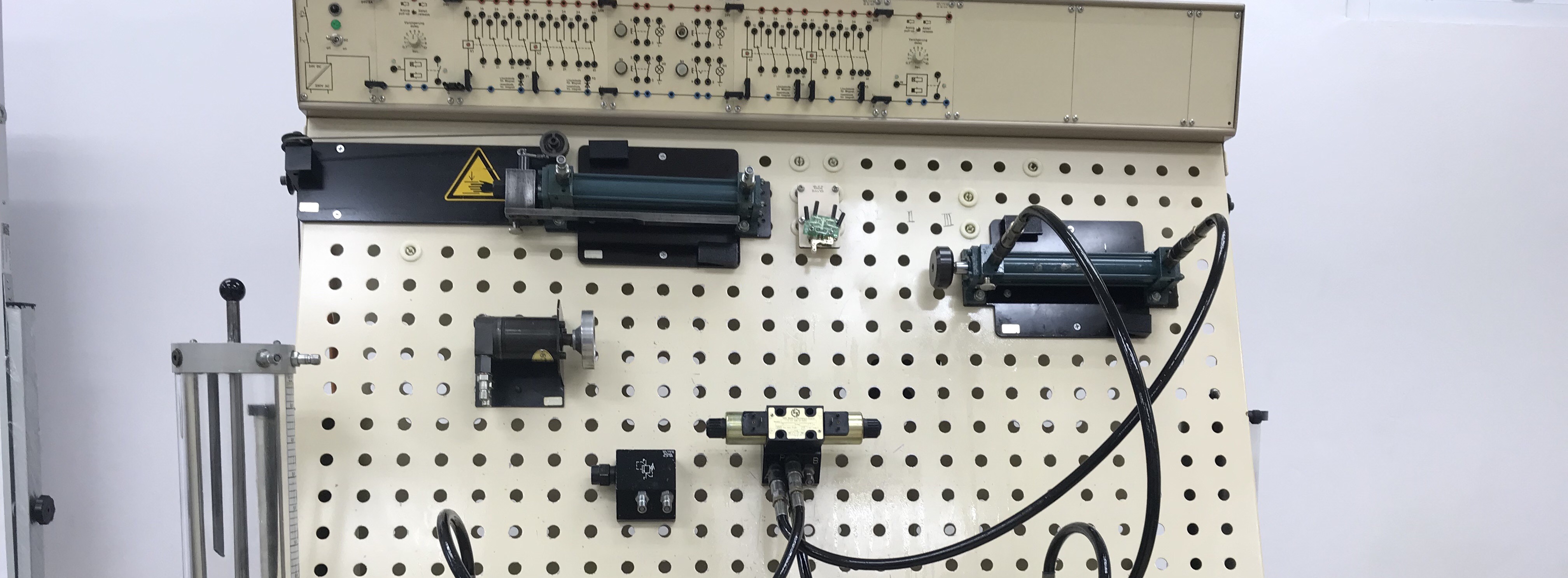

537343 ปฏิบัติการวิศวกรรมอากาศยาน 2 (Aeronautical Engineering Laboratory II) 1(0-3-3)
วิชาบังคับก่อน : 537342 ปฏิบัติการวิศวกรรมอากาศยาน 1
ปฏิบัติการทางอากาศพลศาสตร์ การทดสอบโดยใช้อุโมงค์ลม เครื่องจักรการไหล เครื่องวัดประกอบการบิน การถ่ายเทความร้อน กลศาสาตร์การบิน โครงสร้างอากาศยาน โครงสร้างฐานล้ออากาศยาน การทดสอบการสั่นสะเทือน การลดและป้องกันการสั่น ปฏิบัติเสริมความรู้ด้านวิศวกรรมอากาสยาน
ผลสัมฤทธิ์การเรียนรู้ นักศึกษาที่ผ่านรายวิชานี้ต้องมีความสามารถต่อไปนี้
- เลือกและใช้อุปกรณเลือกและใช้งานอุปกรณ์และวิธีวัดที่นิยมใช้ในระบบทางวิศวกรรมเอากาศยานได้อย่างเหมาะสม
- เปรียบเทียบผลการที่ได้จากการทำนายปรากฏการณ์ทางทฤษีกับผลที่ได้จากการทดลอง
- เชื่อมโยงประสบการณ์จากการฝึกปฏิบัติการเข้ากับความรู้ที่ได้รับในชั้นเรียน
- เกิดการพัฒนาทักษะการทำงานเป็นกลุ่ม


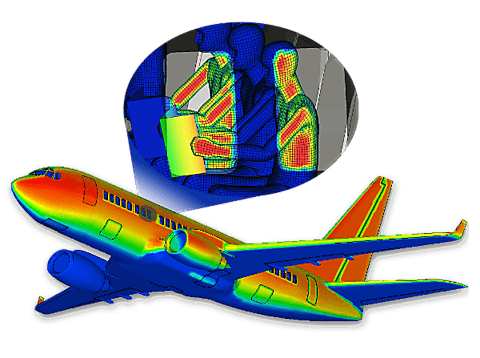
วิชาบังคับก่อน : 525204 กลศาสตร์ของไหล 1 และ 525210 พื้นฐานการใช้คอมพิวเตอร์ช่วยในการวิเคราะห์ทางวิศวกรรม
การใช้คอมพิวเตอร์สําหรับออกแบบและวิเคราะห์ปัญหาวิศวกรรมเครื่องกล การสร้างแบบจําลอง เชิงกายภาพและการจําลอง ปัญหาด้านวิศวกรรมเครื่องกล และปัญหาประยุกต์ที่เกี่ยวข้อง การใช้โปรแกรม คอมพิวเตอร์สําเร็จรูปสําหรับแก้ปัญหาทางวิศวกรรมอากาศยาน โครงงานการใช้คอมพิวเตอร์ช่วยสําหรับ ออกแบบและวิเคราะห์ปัญหาทางวิศวกรรมอากาศยานที่เกี่ยวข้อง
ผลสัมฤทธิ์การเรียนรู้
นักศึกษาสามารถสร้างแบบจําลองเชิงกายภาพสําหรับปัญหาทางวิศวกรรมเครื่องกลและ วิศวกรรมอากาศยานที่เกี่ยวข้อง นักศึกษาสามารถจําลองและวิเคราะห์ปัญหาทางวิศวกรรมเครื่องกลและ วิศวกรรมอากาศยานที่เกี่ยวข้องด้วยโปรแกรมคอมพิวเตอร์สําเร็จรูป นักศึกษาสามารถวิเคราะห์ถึงความ แม่นยําของการจําลองที่ประยุกต์ใช้ในการแก้ปัญหานักศึกษาสามารถประยุก์การใช้คอมพิวเตอร์ช่วย วิเคราะห์สําหรับโครงงานที่เกี่ยวข้องกับงานทางวิศวกรรมอากาศยาน
คุณลักษณะของอุปกรณ์อิเล็กทรอนิกส์ วงจรอิเล็กทรอนิกส์พื้นฐาน วงจรเชิงเส้นและไม่เป็นเชิงส้น การวิเคราะห์วงจรไบโพลาร์ทรานซิสเตอร์ เฟทและออปแอมป์ วงจรจ่ายกำลัง วงจรป้อนกลับเบื้องต้น ออสซิลเลเตอร์ อิเล็กทรอนิกส์กำลังเบื้องต้น
539212 อิเล็กทรอนิกส์วิศวกรรม 2
(Engineering Electronics II)
ภาคการศึกษา 3/2562
สาขาวิชาวิศวกรรมโทรคมนาคม
สำนักวิชาวิศวกรรมศาสตร์
มหาวิทยาลัยเทคโนโลยีสุรนารี
Topics :
1. Laser material
2. Laser fundamental
3. Laser system
4. Construct the laser system
Textbooks:
1. Optics, Hecht
2. Laser Electronics, Joseph Verden
3. Laser and electro-optics: fundamentals and engineering, Christopher C. Davis
Review of electric circuits: Kirchhoff’s laws, Thevenin’s theorem, Norton theorems, capacitors and inductors, first-order circuits, second-order circuits; introduction to semiconductors, pn junction, diodes and applications, BJT amplifiers, transistor ac model, FET amplifiers, MOSFET digital circuits, amplifier frequency response, the operational amplifier, op-amp circuits, special-purpose integrated circuits.




551153 Math I สำหรับ นศ B64XXXXX
วิชาบังคับก่อน
551001 การทดสอบความรู้คณิตศาสตร์พื้นฐาน หรือ 551151 คณิตศาสตร์พื้นฐาน
คำอธิบายรายวิชา
ลิมิต ความต่อเนื่อง ลำดับและอนุกรม อนุพันธ์ การประยุกต์ของอนุพันธ์ ฟังก์ชันผกผัน เมทริกซ์ ดีเทอร์มิแนนต์ เมทริกซ์ผกผัน การดำเนินการตามแถวของเมทริกซ์ การแปลงเชิงเส้น ค่าไอเกน
ไอเกนเวกเตอร์ และระเบียบวิธีเชิงตัวเลขเพื่อแก้สมการพีชคณิต


คำอธิบายรายวิชา
ลำดับและอนุกรม เวกเตอร์เรขาคณิต ฟังก์ชั่นค่าเวกตอร์ เวกเตอร์แคลคูลัส ฟังก์ชันหลายตัวแปร ระเบียบวิธีเชิง ตัวเลขเพื่อแก้สมการพีชคณิต การอินทิเกรตหลายชั้น
551156 ฟิสิกส์-ไฟฟ้า (Physics - Electrical)
วิชาบังคับก่อน: 551151 คณิตศาสตร์พื้นฐาน
เรียนรู้สนามไฟฟ้า กฎของคูลอมป์และกฎของเกาส์เพื่อให้ทราบถึงพลังงานศักย์ไฟฟ้า ศักย์ไฟฟ้าและความจุไฟฟ้าสามารถวิเคราะห์กระแสไฟฟ้าและวงจรไฟฟ้ากระแสตรงสนามแม่เหล็กเบื้องต้นสามารถวิเคราะห์การเหนี่ยวนำไฟฟ้าและวงจรไฟฟ้ากระแสสลับและสามารถฝึกปฏิบัติการที่เกี่ยวข้องกับทฤษฎีทางไฟฟ้าได้
ผลสัมฤทธิ์การเรียนรู้
เมื่อเสร็จสิ้นการเรียนในโมดูลนี้แล้วนักศึกษาควรที่จะสามารถ
- เข้าใจสนามไฟฟ้า และใช้กฎของคูลอมป์และกฎของเกาส์ได้
- ให้นิยามและบอกความหมายพลังงานศักย์ไฟฟ้า ศักย์ไฟฟ้าและความจุไฟฟ้าได้
- วิเคราะห์กระแสไฟฟ้าและวงจรไฟฟ้ากระแสตรงได้
- วิเคราะห์สนามแม่เหล็กเบื้องต้นได้
- วิเคราะห์การเหนี่ยวนำไฟฟ้าและวงจรไฟฟ้ากระแสสลับได้
อาจารย์ผู้สอน
อาจารย์จีรวรรณ หอมจันทร์




551261 กระบวนการผลิตและวัสดุในงานวิศวกรรม (Manufacturing Processes and Materials Engineering) 8(4-9-17)
วิชาบังคับก่อน : 551162 การเขียนแบบวิศวกรรม
ประเภทวัสดุโลหะ เซรามิก พอลิเมอร์และวัสดุผสม สมบัติเชิงกลและวิธีทดสอบ แผนภูมิสมดุลและการแปลความหมาย ความสัมพันธ์ของโครงสร้างจุลภาคกับสมบัติวัสดุ ทฤษฎีและแนวคิดเกี่ยวกับกระบวนการผลิตและแปรรูปของวัสดุโลหะ เซรามิก พอลิเมอร์ และวัสดุผสม เช่น การขึ้นรูปชิ้นงานด้วยการหล่อ การขึ้นรูปร้อน การขึ้นรูปเย็น การขึ้นรูปแบบผง การเชื่อม การปรับปรุงสมบัติวัสดุด้วยกระบวนการทางความร้อน ผลของกระบวนการผลิตและกระบวนการทางความร้อนต่อโครงสร้างจุลภาคและสมบัติของโลหะ กระบวนการขึ้นวัสดุผสมประเภทพอลิเมอร์คอมโพสิท กระบวนการแปรรูปชิ้นงานโดยใช้เครื่องมือ เครื่องจักร การใช้เครื่องจักรที่มีระบบควบคุมเชิงตัวเลข การปรับปรุงคุณภาพผิวและการเคลือบผิว หลักการเบื้องต้นของการคิดต้นทุนกระบวนการผลิต พร้อมฝึกปฏิบัติกระบวนการผลิต และการทดสอบวัสดุประเภทต่างๆ





ศึกษานิยามความร้อน ความจุความร้อน หน่วยวัด แหล่งกำเนิดความร้อน สถานะของสสาร (ของแข็ง ของเหลว และก๊าซ) กฎข้อ ที่ 1 และ 2 ของเทอร์โมไดนามิกส์ วงจรเครื่องความร้อนและเครื่องทำความเย็น การถ่ายเทความร้อน (การนำ การพา การแผ่รังสี) อุปกรณ์ถ่ายเทความร้อน การระบายความร้อนในอุปกรณ์ พฤติกรรมการไหลของของไหล และการขับเคลื่อนของไหล คุณสมบัติของของไหล การวิเคราะห์การไหลในรูปแบบราบเรียบและการไหลแบบปั่นป่วนของระบบคงตัวที่ไม่มีการอัดตัว การไหลในท่อ วงจรพื้นฐานของระบบนิวเมติกส์และระบบไฮดรอลิกส์ การออกแบบอุปกรณ์เกี่ยวกับความร้อนและของไหล พื้นฐานการวัดอุณหภูมิ ความดัน และอัตราการไหล วิเคราะห์ระบบของไหลด้วยซอฟต์แวร์ทางวิศวกรรม
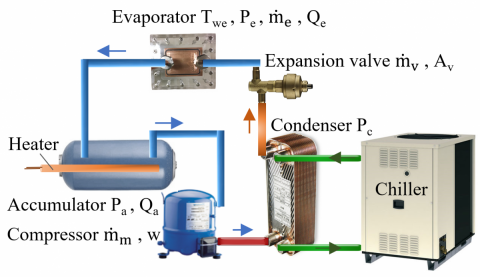
ศึกษานิยามความร้อน ความจุความร้อน หน่วยวัด แหล่งกำเนิดความร้อน สถานะของสสาร (ของแข็ง ของเหลว และก๊าซ) กฎข้อ ที่ 1 และ 2 ของเทอร์โมไดนามิกส์ วงจรเครื่องความร้อนและเครื่องทำความเย็น การถ่ายเทความร้อน (การนำ การพา การแผ่รังสี) อุปกรณ์ถ่ายเทความร้อน การระบายความร้อนในอุปกรณ์ พฤติกรรมการไหลของของไหล และการขับเคลื่อนของไหล คุณสมบัติของของไหล การวิเคราะห์การไหลในรูปแบบราบเรียบและการไหลแบบปั่นป่วนของระบบคงตัวที่ไม่มีการอัดตัว การไหลในท่อ วงจรพื้นฐานของระบบนิวเมติกส์และระบบไฮดรอลิกส์ การออกแบบอุปกรณ์เกี่ยวกับความร้อนและของไหล พื้นฐานการวัดอุณหภูมิ ความดัน และอัตราการไหล วิเคราะห์ระบบของไหลด้วยซอฟต์แวร์ทางวิศวกรรม

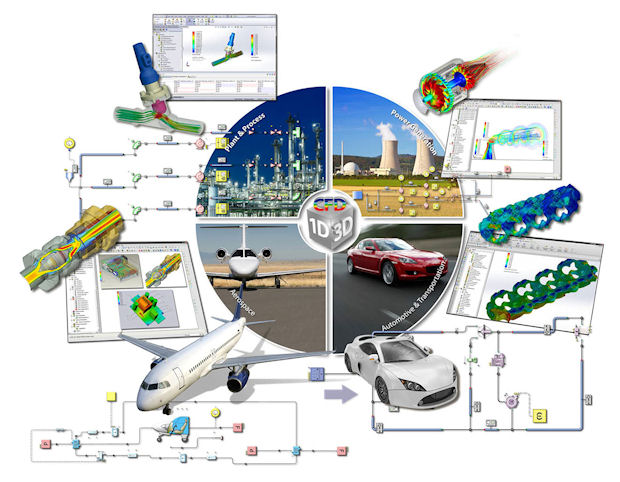

สร้างแบบงาน 3 มิติของชิ้นส่วนเครื่องจักร โดยใช้โปรแกรมเขียนแบบในคอมพิวเตอร์ได้ ใช้โปรแกรมช่วยออกแบบงานทางวิศวกรรมเพื่อประเมินความเสียหายของชิ้นงานภายใต้ภาระสถิต ภาระพลวัต ภาระทางความร้อนได้ ขึ้นรูปชิ้นงานจริงด้วยเครื่องที่ผลิตชิ้นงานที่ควบคุมผ่านคอมพิวเตอร์ เช่น เครื่อง CNC, เครื่อง RP, เครื่อง Laser Cutter ได้

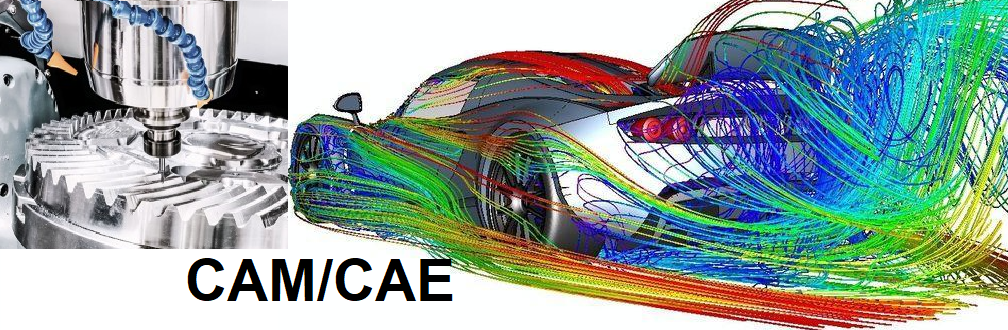


ศึกษาการทำงานของเครื่องจักรอัตโนมัติ การศึกษาการทำงานของเซนเซอร์แบบต่างๆ ที่ใช้ในระบบ อัตโนมัติ การศึกษาการทำงานของมอเตอร์และระบบ Pneumatics การเรียนรู้ระบบควบคุมประเภทต่างๆ เช่น Programmable Logic Controller และ Microcontroller การฝึกการอ่านแบบไฟฟ้าและแบบทางกล สำหรับเครื่องจักรอัตโนมัติ การศึกษาการประยุกต์ใช้ Machine Vision และการใช้โปรแกรมคอมพิวเตอร์ที่ เกี่ยวข้อง ศึกษาการเชื่อมต่อและการส่งสัญญาณ การฝึกประกอบและควบคุมเครื่องจักรอัตโนมัติตามรูปแบบที่ กำหนด การประยุกต์ใช้ระบบอัตโนมัติและ Machine Vision ร่วมกับหุ่นยนต์ และการออกแบบระบบอัตโนมัติ
นระบบ ศึกษาระบบที่เป็นเชิงเส้นและไม่ศึกษาวิธีทางคณิตศาสตร์ เพื่อการเพิ่มผลประโยชน์ และประสิทธิภาพของระบบ ศึกษาวิธีวิเคราะห์แนวการการปรับปรุงส่วนประกอบใเป็นเชิงเส้น การออกแบบพลวัตการหาค่าที่เหมาะที่สุดและตัวแปร
554642 การประยุกต์ใช้คอมพิวเตอร์ในงานวิศวกรรมโครงสร้าง 4(4-0-8)
(Computer Applications for Structural Engineering)
เงื่อนไข : โดยความเห็นชอบของสาขาวิชา
คำอธิบายรายวิชา: การประยุกต์ใช้ภาษาทางคอมพิวเตอร์หรือโปรแกรมคอมพิวเตอร์ในงานวิศวกรรมโครงสร้าง
การวิเคราะห์และออกแบบโครงสร้างคอนกรีตเสริมเหล็กและโครงสร้างเหล็ก
ผลสัมฤทธิ์การเรียนรู้: เข้าใจและสามารถวิเคราะห์และออกแบบคอนกรีตเสริมเหล็กและโครงสร้างเหล็กโดยใช้โปรแกรม
คอมพิวเตอร

เรียนรู้พื้นฐานการทำงานของ Microcontroller โดยใช้ Arduino UNO, ESP32 และ PLC โดยใช้งานร่วมอุปกรณ์ sensor และ actuator ต่างๆ เช่น อุปกรณ์อิเล็คทรอนิกส์ sensormodule, DC Motor, Step Motor, Servo Motor เป็นต้น
เนื้อหาในรายวิชาประกอบด้วย การบรรยายความรู้พื้นฐานที่จำเป็นสำหรับวิศวกรรมโยธาและโครงสร้าง เช่น พื้นฐานฟิสิกส์ การเคลื่อนที แรงและกฎของนิวตัน งานและพลังงาน ระบบอนุภาค โมเมนตัมและการชน การเคลื่อนที่แบบหมุน การแกว่งกวัด สมบัติทั่วไปของคลื่น คลื่นเสียง สถิตศาสตร์ของไหล พลศาสตร์ของไหล



Basic drawing; lettering; orthographic projection; orthographic drawing and pictorial drawings; dimensioning and tolerancing sections; auxiliary views and development; detail and assembly drawings; freehand sketches.
ศึกษาพื้นฐานการเขียนแบบ การเขียนตัวอักษร วิธีการฉายภาพ การเขียนแบบภาพฉาย การกำหนดขนาด ค่าพิกัด ความเผื่อ การเขียนแบบภาพตัดต่าง ๆ การสเก็ตภาพ การเขียนแบบภาพประกอบและภาพแยกชิ้น การเขียนแบบร่างด้วยมือเปล่า
- 559204 สมการเชิงอนุพันธ์ส าหรับวิศวกรโยธาและโครงสร้างพื้นฐาน 4(4-0-8)
- (Differential Equations of Civil and Infrastructure Engineers)
สมการเชิงอนุพันธ์สามัญอันดับหนึ่งและอันดับสองเชิงเส้นประเภทเอกพันธ์กรณีสัมประสิทธิ์เป็นค่า คงตัว สมการเชิงอนุพันธ์สามัญประเภทไม่เอกพันธ์ การแปลงฟูเรียร์ การแปลงลาปลาซ สมการเชิงอนุพันธ์ สามัญอันดับสามและอันดับสูง กรณีสัมประสิทธ์เป็นค่าคงตัว วิธีเชิงตัวเลขส าหรับสมการเชิงอนุพันธ์สามัญ การ ประยุกต์ในงานวิศวกรรมโยธา
ผลสัมฤทธิ์การเรียนรู้
- สามารถจำแนกประเภทของสมการเชิงอนุพันธ์ สามารถใช้เทคนิคการหาผลเฉลยของสมการเชิง อนุพันธ์สามัญอันดับหนึ่งและอันดับสองชนิดต่างๆ ได้
- สามารถใช้ความรู้จากสมการเชิงอนุพันธ์เพื่อแก้ปัญหาในงานวิศวกรรมโยธาและโครงสร้างพื้นฐาน ได้
- สามารถใช้ระเบียบวิธีคิดเชิงตัวเลขเพื่อแก้ปัญหาสมการเชิงอนุพันธ์อย่างง่าย




Magnetic Properties of Materials
Aims and Summary
This course aims to provide basic knowledge about polymeric biomaterials, physico-chemical properties of biomaterials, host reactions to biomaterials and their evaluation, biological testing of biomaterials and degradation of materials in biological environment, inform about current issues in biomaterials, hand-on mini-project on fabrication and characterization of a simple polymeric biomaterial. Develop entrepreneurial mindset for polymeric biomaterials.
Teaching and Learning:
This module has been designed to align with the following PLO
PLO3: Analyze materials engineering problem, design and conduct experiment, analyze the obtained data, and explain results to the desired outcome.
Module Learning Outcomes
MLO1 describe basic definition of biomaterials, classify biomaterials according to the structural properties
MLO2 identify the properties required to meet the needs of the intended biological function and describe host reactions to biomaterials
MLO3 Select material to meet requirements for a specific application or design
MLO4 Independently search and review articles related to current issues in biomaterials, write a scientific report and present to the class.
MLO5 Fabricate simple biomaterial samples and evaluate their properties by perform a series of test and characterization
MLO6 Develop a business plan for a biomaterial product (Not Applicable)
Basic Econometrics applied to transportation
This course covers the principles and research methodology for industrial and environmental industrial engineering, research planning, preparation of research proposal, literature review, research design and data analysis, presentation techniques, writing of research report, results evaluation, and research article.

Statistical characterization of data. Distributions of environmental data. Identification of environmental system changes. Outlier detection. Limit of detection and treatment of censored data. Hypothesis testing of environmental data. Correlation and regression analysis. Experimental design for environmental engineering research. Application of statistical analysis software.
Numerical Computation
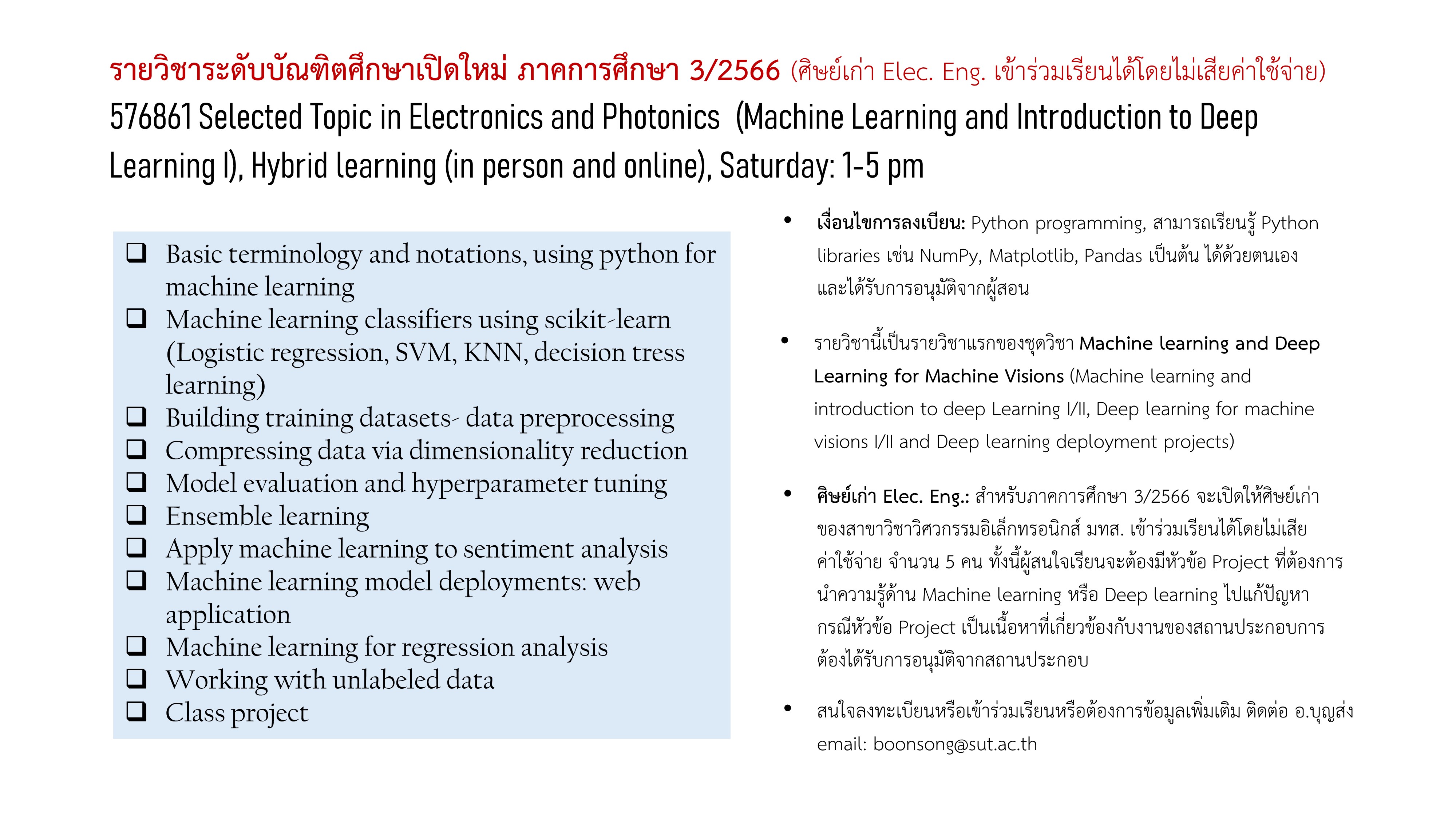
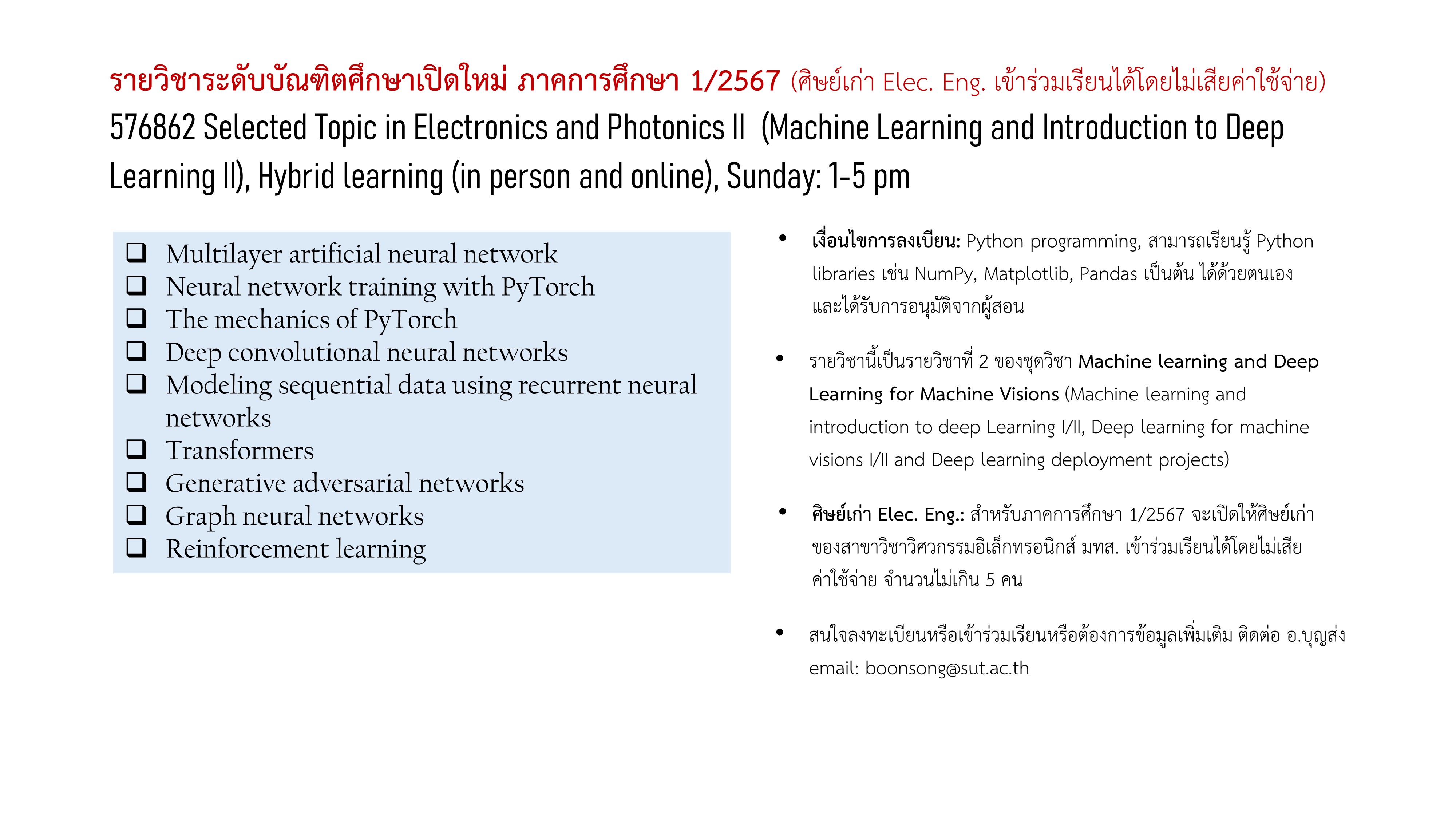
- Machine learning and introduction to deep Learning I
- Machine learning and introduction to deep Learning II
- Deep learning for machine visions I
- Deep learning for machine visions II
- Deep learning deployment projects
Engineering Materials II (Ceramic Engineering) 1/2566
Structure and properties of ceramic materials; Conventional and advanced ceramic; Ceramic processing and engineering applications of ceramics; Polymer as an engineering material, Polymer blends, Polymer composites, Chain structure of polymers, Mechanical and thermal properties of polymers, Polymerization, Polymer processing, Polymer degradations; Polymeric and Ceramic Materials for engineering applications.
Learning outcomes
- Students are able to describe basic properties of polymeric and ceramic materials.
- Students are able to relate structure and properties of polymeric and ceramic materials.
- Students are able to explain the materials processing techniques.
- Students are capable of select appropriate materials for the desired basic engineering applications.
Course Outline
Structure and properties of ceramic materials; Conventional and advanced ceramic; Ceramic processing and engineering applications of ceramics; Polymer as an engineering material, Polymer blends, Polymer composites, Chain structure of polymers, Mechanical and thermal properties of polymers, Polymerization, Polymer processing, Polymer degradations; Polymeric and Ceramic Materials for engineering application.
Course Learning outcomes
CLO1: Students are able to describe basic properties of polymeric and ceramic materials.
CLO2: Students are able to relate structure and properties of polymeric and ceramic materials.
CLO3: Students are able to explain the materials processing techniques.
CLO4: Students are capable of select appropriate materials for the desired basic engineering applications.
Structure and properties of ceramic materials; Conventional and advanced ceramic; Ceramic processing and engineering applications of ceramics; Polymer as an engineering material, Polymer blends, Polymer composites, Chain structure of polymers, Mechanical and thermal properties of polymers, Polymerization, Polymer processing, Polymer degradations; Polymeric and Ceramic Materials for engineering application.
This course is for student who had enrolled, attended lectures and took all the exams, but failed, 583305 in 1/2023. As a result, there will not be regular lectures but there will be online assignments and feedback provision throughout this trimester.
Course evaluation
1. Assignments via SUT e-learning (20%)
2. 3 Exams
- Exam 1 : Saturday 16 December 2023 9.00 am 12.00 (noon) (25%)
- Exam 2 : Saturday 13 January 2024 9.00 am 12.00 (noon) (25%)
- Exam 3 : Saturday 3 February 2024 9.00 am 12.00 (noon) (30%)




585310 Computer Aided Engineering I 2 (1-3-5)
Prerequisites : 585202 Mechanical Engineering Mathematics II and 585303 Machine Design
Course Description :
Use of computer for design and analysis of mechanical engineering problems. Physical modeling and simulations of mechanical engineering problems and related applications. Specifications of boundary conditions and initial conditions, verification of simulated results.
Learning outcomes :
Student will be able to create physical models which correspond to engineering problems. Student will be able to identify errors that may occur in simulations. Student will be able to use computer to design and analyze engineering problems correctly.
585340 Mechanical Engineering Laboratory I 1(0-3-3)
Prerequisites : 582211 Mechanics of Materials 585204, Thermodynamics I and 585207 Fluid Mechanics
Course Discription :
Experiments in instrumentation and measurement for mechanical engineers such as pressure, fluid flow, temperature, displacement, force, and strain; experiments in material testing, fluid mechanics, and thermodynamics, interpretation of experimental data,technical report writing.
Learning outcomes :
After the course, the students should be able to:
- Select and use appropriate measuring devices and techniques commonly used in mechanical engineering systems.
- Conduct experiments in material testing, fluid mechanics, and thermodynamics, as well as analyze and interpret data.
- Demonstrate technical writing skills.
- Develop work habits those are necessary for effective collaboration with other students.


585401 Computer Aided Engineering II 2(1-3-5)
Prerequisite : 585310 Computer Aided Engineering I,
Use of computer for design and analysis of mechanical engineering problems. Physical modeling and simulations of mechanical engineering problems and related applications, project based on using computer for design and analysis of related mechanical engineering problems.
Learning outcomes
Student will be able to create specific physical model for mechanical engineering problems. Student will be able to simulate and analyze mechanical engineering problems using commercial software. Student will be able to analyze accuracy of simulation applied for solving problems. Student will be able to apply computer aided engineering to conduct related mechanical engineering projects.


ศึกษาประวัติและความสำคัญของโภชนศาสตร์ ปัญหาโภชนาการของประเทศไทย โภชนาการกับสุขภาพและการเกิดโรค โภชนาการและองค์ประกอบของร่างกาย หลักการอาหารบำบัดโรค การประเมินภาวะโภชนาการและการประเมินอาหารที่บริโภค การส่งเสริมภาวะโภชนาการ สำหรับครอบครัวและชุมชน
This module introduces how nutritional science has been evolved, trends of nutrition and health in Thailand, nutrition and pathogenicity, nutrition and body composition, food therapy principles, malnutrition assessment, age nutrition requirement, promoting nutritional status in family and community
วิชาบังคับก่อน : 618202 อาชีวอนามัยและความปลอดภัยพื้นฐาน
เนื้อหารายวิชาโดยสังเขป
พื้นฐานทางวิศวกรรมเคมี อุตสาหการ เครืองกล ไฟฟ้า โยธา มาใช้ประโยชน์ในการควบคุมภาพแวดล้อมในงานอุตสาหกรรม การควบคุมอันตรายที่แหล่งกำเนิด ที่ทางผ่าน เทคนิคเฉพาะในการควบคุมเสียง ความสั่นสะเทือน ฝุ่นละอองแสงสว่าง ความร้อน การควบคุมมลพิษอากาศในอาคารสำนักงานโรงพยาบาล
รายวิชา 621737 Smart Elderly (ผู้สูงอายุร่วมสมัย)
อาจารย์ผู้รับผิดชอบรายวิชา: ผู้ช่วยศาสตราจารย์ แพทย์หญิงพรทิพย์ นิ่มขุนทด
จำนวนหน่วยกิต 3(2-2-5)
ความรู้พื้นฐานของการดูแลผู้สูงอายุ การประยุกต์ไปสู่งานวิจัยและนวัตกรรม หลักในการดูแลผู้สูงอายุ การประเมินสุขภาพ การส่งเสริมสุขภาพและป้องกันโรคในผู้สูงอายุ การดูแลปัญหาที่พบบ่อยในผู้สูงอายุ การดูแลระยะยาว การดูแลสุขภาพที่บ้าน การดูแลประคับประคองและการดูแลระยะสุดท้าย การฟื้นฟูผู้ป่วยสูงอายุ แนวคิดทางด้านการวิจัยและนวัตกรรมที่เกี่ยวกับการดูแลผู้สูงอายุ
Knowledge about geriatrics care, application in research and innovation, principles of primary geriatrics care, health assessment, health promotion and disease prevention in geriatrics, management of common problems in geriatrics, long-term care, home health care, geriatric palliative care, geriatrics rehabilitation, innovation and research in geriatrics care.
แนะนำเกี่ยวกับกระบวนการวัดและหน่วยวัด การวิเคราะห์แรงที่กระทำกับโครงสร้างทางวิศวกรรมในสภาวะสมดุล คุณสมบัติของแรง โมดมนต์ คู่ควบ และผลลัพธ์ของระบบแรง สภาวะสมดุล แรงเสียดทาน เซนทรอยด์ โมเมนต์ความเฉื่อยของพื้นที่ พื้นฐานของกลศาสตร์นิวโทเนียนซึ่งครอบคลุมถึงจลนศาสตร์ และจลนพลศาสตร์ การเคลื่อนที่ที่สัมพันธ์กับตำแหน่งอ้างอิงที่เคลื่อนที่ งานและพลังงาน แรงกระตุ้นและโมเมนตัม พลศาสตร์ของวัสดุแข็งเกร็ง แนะนำเกี่ยวกับการเคลื่อนที่ของวัตถุแข็งเกร็งในระนาบ
Introduction to measurement and unit. Analysis of forces on engineering structures in equilibrium. Properties of forces, moments, couples, and resultants. Equilibrium conditions, friction, centroids, area moments of inertia. Fundamentals of Newtonian mechanics, including kinematics and kinetics, motion relative to moving reference frames, work and energy, impulse and momentum, rigid body dynamics. Introduction to plane motion of rigid bodies.
Course Learning Outcomes (CLOs)
CLO1. ระบุหน่วยของปริมาณพื้นฐานที่เกี่ยวข้องกับปัญหาทางวิศวกรรม
Identify units of basic quantity related to engineering problems.
CLO2. วาดฟรีบอดี้ไดอะแกรมสำหรับวัตถุแข็งเกร็ง โครงกรอบและเครื่องจักรล และสร้างสมการสภาวะสมดุลสำหรับไดอะแกรมนั้น
Draw Free Body Diagrams (FBD) for rigid bodies, frames and machines, and set up equilibrium equations (i.e. forces and couples) for them.
CLO3. นำทฤษฏีที่เกี่ยวข้องกับกลศาสตร์ของแข็งไปใช้เพื่อคำนวณแรง ระยะโก่ง โมเมนต์ ความเค้น และความเครียด
Apply the formal theory of solid mechanics to calculate forces, deflections, moments stress and strain.
CLO4. วิเคราะห์ผลกระบทบของระบบแบ่งแรงซึ่งประกอบด้วยการคำนวณเซนทรอยด์และโมเมนต์ความเฉื่อย
Analyze the effect of distributed force systems including the calculation of centroids and moments of inertia.
CLO5. วิเคราะห์ความสัมพันธ์ของจลนศาสตร์ซึ่งประกอบด้วยการคำนวณความเร็วและความเร่งของอนุภาค
Analyze kinematics relations including the calculation of velocity and acceleration of particles.
CLO6. นำทฤษฎีความสัมพันธ์ของความเร็วและความเร่งไปใช้แก้ปัญหาจลนศาสตร์ของอนุภาค
Utilize the relative velocity and acceleration expression to solve kinematics problems of particles.
CLO7. วิเคราะห์ความสัมพันธ์ของจลนศาสตร์ซึ่งประกอบด้วยการคำนวณความเร็วและความเร่งของอนุภาค
Analyze kinetics relations including the calculation of velocity and acceleration of particles.
CLO8. เลือกสมการพื้นฐานของกลศาสตร์เพื่อแก้ปัญหาด้านต่างๆ เช่น การอนุรักษ์พลังงาน การอนุรักษ์โมเมนตัม กฎข้อที่ 2 ของนิวตัน เป็นต้น
Choose carefully among different fundamental equations of dynamics to solve problems such as conservation of energy, conservation of momentum, or Newton’s 2nd law.
CLO9. อธิบายการเคลื่อนที่ของวัตถุแข็งเกร็งในระนาบ
Describe the plane motion of rigid bodies.
ENG35 2011 แนะนำวิศวกรรมการผลิต 1(0-3-3)
(Orientation to Manufacturing Engineering)
วิชาบังคับก่อน : ไม่มี
เตรียมพื้นฐานของผู้ศึกษาด้านวิศวกรรมการผลิต ศึกษาภาพรวมของหลักสูตรและภาพรวมของการประกอบวิชาชีพ อธิบายผลลัพธ์การเรียนรู้ที่คาดหวังของหลักสูตร ศึกษาอุปกรณ์ เครื่องมือ และโปรแกรมคอมพิวเตอร์เบื้องต้นเพื่อช่วยในเรียนรู้ การเขียนรายงาน การนำเสนองานทางวิศวกรรม ความสำคัญของระบบอัตโนมัติอุตสาหกรรมและอุปกรณ์พื้นฐานของระบบอัตโนมัติอุตสาหกรรม เช่น เซนเซอร์ ระบบกระตุ้น มอเตอร์ ระบบอัตโนมัตินิวเมติกส์ ระบบไฮดรอลิกส์
ผลสัมฤทธิ์การเรียนรู้
1. สามารถอธิบายความสำคัญและบทบาทของวิศวกรรมการผลิตได้
2. รับผิดชอบต่องานที่ได้รับมอบหมาย
ENG35 2011 Orientation to Manufacturing Engineering 1(0-3-3)
Prerequisite : none
Basic requirements in studying manufacturing engineering; overview of the program and prospective careers; explain expected learning outcomes; learn equipment, tools, and basic computer software for aiding the study; report writing and presentation, Importance of industrial automation system; basic equipment for industrial automation such as sensors, actuators, motors, pneumatics, and hydraulics.
Learning outcomes
1. Ability to explain knowledge of significances and responsibilities of manufacturing engineer.
2. Ability to be responsible for engineering practice.
กระบวนการออกแบบ และเครื่องมือทางด้านกราฟฟิคสำหรับการสื่อสารเบื้องต้นที่ใช้โดยวิศวกร การบันทึกเอกสารของการออกแบบโดยการวาดด้วยมือ และการวาดเชิงวิศวกรรม หลักการพื้นฐานของเรขาคณิตเชิงพรรณนา การใช้เครื่องมือทางคอมพิวเตอร์ช่วยในการออกแบบ หลักการเบื้องต้นของการออกแบบเพื่อกระบวนการผลิต เน้นการทำงานเป็นกลุ่ม และการวิจารณ์โดยเพื่อร่วมกลุ่มสำหรับการผลิตชิ้นส่วนเพื่อการประกอบ โครงงานการออกแบบแนวความคิดที่นำเสนอผ่านแบบทางวิศวกรรม และการทำปฏิบัติการผ่านเครื่องคอมพิวเตอร์
Introduction to the design process and graphical communications tools used by engineers. Documentation of design through freehand sketching and engineering drawings. Basic descriptive geometry. Computer-aided design as a design tool. Introduction to design for manufacturability. Emphasis of group work and peer review in the production of part for assemblies. Conceptual design projects presented in technical drawing format. Computer Laboratory.
Course Learning Outcomes (CLOs)
CLO1. อ่านและอธิบายแบบวิศวกรรม และแสดงให้เห็นถึงความสามารถในการใช้งานคำศัพท์และสัญลักษณ์ในการสื่อสารเชิงวิศวกรรม
Read and interpret engineering drawings. Demonstrate the use of terminology and symbols used in engineering communications.
CLO2. เขียนแบบทางวิศวกรรม และสร้างเอกสารที่ใช้ในการสื่อสารซึ่งประกอบด้วยการอธิบายอุปกรณ์เชิงกล และระบบผ่านจุด เวกเตอร์ และพื้นผิว
Create engineering drawings. Construct engineering communication documents describing mechanical devices and systems by using points, vectors, and surfaces.
CLO3. เลือกใช้ภาพฉายสองมิติ ภาพตัด ภาพช่วย และภาพสามมิติเพื่อสื่อสารแนวคิดของแบบทางวิศวกรรมให้กับผู้ผลิดได้อย่างเหมาะสม
Select appropriate orthographic, sectional, auxiliary, and pictorial views, to convey engineering design concepts to fabricators.
CLO4. กำหนดมิติ และความคลาดเคลื่อนทางเลขาคณิตเพื่อสื่อสารข้อกำหนดการออกแบบการทำงานของชิ้นส่วนได้อย่างเหมาะสม
Construct appropriate dimensions and geometric tolerances to convey a part’s functional design requirements to fabricators
CLO5. คำนวณความคลาดเคลื่อนของขนาดที่จำเป็นเพื่อรับรองความสัมพันธ์ของการทำงานกับการประกอบชิ้นส่วนหลายชิ้นส่วนเข้าด้วยกัน
Calculate size tolerances necessary to ensure the functional relationship to multi-part assemblies.
CLO6. สร้างและกำหนดแนวคิดวิธีแก้ไขปัญหาทางวิศวกรรม
Create and define a conceptual solution to an engineering problem.
CLO7. ใช้โปรแกรมสำเร็จรูปช่วยการออกแบบเพื่อสร้างเอกสารแบบทางวิศวกรรม
Use a common industrial CAD package to create engineering documentation.
เนื่องจากปัจจุบันวิศวกรรมเซรามิก โดยเฉพาะในส่วนที่ของวัสดุเซรามิกชั้นสูงต้องเกี่ยวข้องกับการ ออกแบบ การผลิตและแปรรูปชิ้นงาน การใช้ข้อมูลเชิงเทคนิคสำหรับวิศวกรรมย้อนรอย ของผลิตภัณฑ์ ต้นแบบ การใช้คอมพิวเตอร์เพื่อช่วยในการออกแบบชิ้นส่วนหรือผลิตภัณฑ์ต้นแบบ วิศวกรรมเซรามิกจึง ต้องการความรู้และทักษะดังกล่าวเพื่อใช้ในการทำงานได้หลากหลายมากขึ้น อีกทั้งยังสามารถทำงานร่วมกับ วิศวกรในสาขาวิชาอื่นๆที่เกี่ยวข้องกับอุตสาหกรรมหุ่นยนต์ ระบบอัตโนมัติ และอุตสาหกรรมที่สมัยใหม่ตาม แผนพัฒนาประเทศ Thailland 4.0 ได้อีกด้วย
ผลสัมฤทธิ์การเรียนรู้
1. คุณสมบัติของวัสดุ การผลิตต่อคุณสมบัติและโครงสร้างของวัสดุ การเลือกใช้วัสดุ ต้นทุน การวิเคราะห์ ความล้มเหลว
2. กระบวนการผลิต และการแปรรูปชิ้นงาน การปรับปรุงคุณภาพผิวและการเคลือบผิว
3. วิเคราะห์ข้อมูลทางเทคนิคของชิ้นส่วน วิศวกรรมย้อนรอย ของผลิตภัณฑ์ต้นแบบเพื่อนำข้อมูลมา สร้างสรรค์และพัฒนา
4. การใช้คอมพิวเตอร์เพื่อการออกแบบ
5. การออกแบบเพื่อการผลิตและการประกอบ เป็นแนวคิดทางเลือกในการออกแบบ ผลิตภัณฑ์
6. มีหลักฐานพื้นฐานและมาตรฐานการกำหนดสัญลักษณ์สำหรับควบคุมผลิตภัณฑ์ ด้วยการออกแบบทาง วิศวกรรม
7. การวิเคราะห์ทางวิศวกรรมโดยใช้คอมพิวเตอร์ ปัจจัยที่เกี่ยวข้องกับการวิเคราะห์และการออกแบบ ชิ้นงาน
ENG35 2011 แนะนำวิศวกรรมการผลิต 1(0-3-3)
(Orientation to Manufacturing Engineering)
วิชาบังคับก่อน : ไม่มี
เตรียมพื้นฐานของผู้ศึกษาด้านวิศวกรรมการผลิต ศึกษาภาพรวมของหลักสูตรและภาพรวมของการประกอบวิชาชีพ อธิบายผลลัพธ์การเรียนรู้ที่คาดหวังของหลักสูตร ศึกษาอุปกรณ์ เครื่องมือ และโปรแกรมคอมพิวเตอร์เบื้องต้นเพื่อช่วยในเรียนรู้ การเขียนรายงาน การนำเสนองานทางวิศวกรรม ความสำคัญของระบบอัตโนมัติอุตสาหกรรมและอุปกรณ์พื้นฐานของระบบอัตโนมัติอุตสาหกรรม เช่น เซนเซอร์ ระบบกระตุ้น มอเตอร์ ระบบอัตโนมัตินิวเมติกส์ ระบบไฮดรอลิกส์
ผลสัมฤทธิ์การเรียนรู้
1. สามารถอธิบายความสำคัญและบทบาทของวิศวกรรมการผลิตได้
2. รับผิดชอบต่องานที่ได้รับมอบหมาย
ENG35 2011 Orientation to Manufacturing Engineering 1(0-3-3)
Prerequisite : none
Basic requirements in studying manufacturing engineering; overview of the program and prospective careers; explain expected learning outcomes; learn equipment, tools, and basic computer software for aiding the study; report writing and presentation, Importance of industrial automation system; basic equipment for industrial automation such as sensors, actuators, motors, pneumatics, and hydraulics.
Learning outcomes
1. Ability to explain knowledge of significances and responsibilities of manufacturing engineer.
2. Ability to be responsible for engineering practice.
Description:
ฝึกปฏิบัติการคำนวณปัญหาทางวิศวกรรมและสร้างแผนภาพนำเสนอข้อมูลโดยใช้ฟังก์ชั่นของโปรแกรมประยุกต์พื้นฐาน การเขียนมาโคร การเขียนโปรแกรมด้วยวิชวลเบสิคเพื่อควบคุมโปรแกรมประยุกต์พื้นฐาน
Practice in computing engineering problems and creating a chart for presentation using features, Macro, and program with Visual Basic for Applications in spreadsheet software.
Course Learning Outcomes (CLOs)
CLO1. ใช้โปรแกรมคอมพิวเตอร์ประเภทตารางคำนวณมาแก้ปัญหาทางวิศวกรรมพื้นฐานได้ รวมถึงการนำเสนอข้อมูลด้วยแผนภูมิได้
Ability to apply computer application such as spreadsheet for modelling and solving basic engineering problems, and creating diagram presentation of data.
Introduction to the design process and graphical communications tools used by engineers. Documentation of design through freehand sketching and engineering drawings. Basic descriptive geometry. Computer-aided design as a design tool. Introduction to design for manufacturability. Emphasis of group work and peer review in the production of part for assemblies. Conceptual design projects presented in technical drawing format. Computer Laboratory.
กระบวนการออกแบบ และเครื่องมือทางด้านกราฟฟิคสำหรับการสื่อสารเบื้องต้นที่ใช้โดยวิศวกร การบันทึกเอกสารของการออกแบบโดยการวาดด้วยมือ และการวาดเชิงวิศวกรรม หลักการพื้นฐานของเรขาคณิตเชิงพรรณนา การใช้เครื่องมือทางคอมพิวเตอร์ช่วยในการออกแบบ หลักการเบื้องต้นของการออกแบบเพื่อกระบวนการผลิต เน้นการทำงานเป็นกลุ่ม และการวิจารณ์โดยเพื่อร่วมกลุ่มสำหรับการผลิตชิ้นส่วนเพื่อการประกอบ โครงงานการออกแบบแนวความคิดที่นำเสนอผ่านแบบทางวิศวกรรม และการทำปฏิบัติการผ่านเครื่องคอมพิวเตอร์
Course Learning Outcomes (CLOs)
CLO1. Read and interpret engineering drawings. Demonstrate the use of terminology and symbols used in engineering communications.
อ่านและอธิบายแบบวิศวกรรม และแสดงให้เห็นถึงความสามารถในการใช้งานคำศัพท์ และสัญลักษณ์ในการสื่อสารเชิงวิศวกรรม
CLO2. Create engineering drawings. Construct engineering communication documents describing mechanical devices and systems by using points, vectors, and surfaces.
เขียนแบบทางวิศวกรรม และสร้างเอกสารที่ใช้ในการสื่อสารซึ่งประกอบด้วยการอธิบายอุปกรณ์เชิงกล และระบบผ่านจุด เวกเตอร์ และพื้นผิว
CLO3. Select appropriate orthographic, sectional, auxiliary, and pictorial views, to convey engineering design concepts to fabricators.
เลือกใช้ภาพฉายสองมิติ ภาพตัด ภาพช่วย และภาพสามมิติเพื่อสื่อสารแนวคิดของแบบทางวิศวกรรมให้กับผู้ผลิดได้อย่างเหมาะสม
CLO4. Construct appropriate dimensions and geometric tolerances to convey a part’s functional design requirements to fabricators.
กำหนดมิติ และความคลาดเคลื่อนทางเลขาคณิตเพื่อสื่อสารข้อกำหนดการออกแบบการทำงานของชิ้นส่วนได้อย่างเหมาะสม
CLO5. Calculate size tolerances necessary to ensure the functional relationship to multi-part assemblies.
คำนวณความคลาดเคลื่อนของขนาดที่จำเป็นเพื่อรับรองความสัมพันธ์ของการทำงานกับการประกอบชิ้นส่วนหลายชิ้นส่วนเข้าด้วยกัน
CLO6. Create and define a conceptual solution to an engineering problem.
สร้างและกำหนดแนวคิดวิธีแก้ไขปัญหาทางวิศวกรรม
CLO7. Use a common industrial CAD package to create engineering documentation.
ใช้โปรแกรมสำเร็จรูปช่วยการออกแบบเพื่อสร้างเอกสารแบบทางวิศวกรรม
รายวิชานี้เป็นรายวิชาโครงงานสำหรับการออกแบบกระบวนการผลิต ผู้เรียนจะร่วมทีมทำ โครงงานบูรณาการจากข้อกำหนดและความต้องการเพื่อเสนอแนวทาง โดยความต้องการเฉพาะจะแตกต่างไป ตามแต่ละโครงงาน ผู้เรียนจะต้องใช้ความสามารถในการคิดอย่างสร้างสรรค์เพื่อเสนอแนวความคิด และใช้ ทักษะการคิดเชิงวิพากษ์เพื่อตัดสินแนวความคิด โครงงานจะประกอบไปด้วยความท้าทายที่ต้องประยุกต์ใช้ ทักษะด้านคณิตศาสตร์ วิทยาศาสตร์ และอาจรวมถึงความรู้ด้านวิศวกรรมอื่น ๆ ประกอบกับการวิเคราะห์และ ออกแบบขั้นตอน ทักษะด้านการสื่อสาร รวมถึงการทำงานอย่างมีจรรยาบรรณวิชาชีพในกลุ่มของตนเอง
This course is a project-based study for designing manufacturing processes. Students will work as a team on joint projects from initial specification to scheme suggestion. Specific requirements will differ depending on the nature of the project. Students need to use their creative thinking skill to generate and critical thinking skill to judge the ideas. Projects include the challenges that require application of math, science, and engineering knowledge; analytical and design procedures; communication skills; combined with ethical behavior of the individuals in each team.
This course is a project-based study for selecting machine elements and designing equipment and tooling. Learners will work on joint projects from initial specification to scheme suggestion. Specific requirements will differ depending on the nature of the project. Learners need to use their creative thinking skill to generate and critical thinking skill to judge the ideas. Projects include the challenges that require application of math, science, and engineering knowledge; analytical and design procedures; communication skills; combined with ethical behavior of the individuals in each team.
รายวิชานี้เป็นรายวิชาโครงงานสำหรับการเลือกองค์ประกอบของเครื่องจักรและการออกแบบอุปกรณ์และเครื่องมือ ผู้เรียนจะทำโครงงานบูรณาการจากข้อกำหนดและความต้องการเพื่อเสนอแนวทาง โดยความต้องการเฉพาะจะแตกต่างไปตามแต่ละโครงงาน ผู้เรียนจะต้องใช้ความสามารถในการคิดอย่างสร้างสรรค์เพื่อเสนอแนวความคิด และใช้ทักษะการคิดเชิงวิพากษ์เพื่อตัดสินแนวความคิด โครงงานจะประกอบไปด้วยความท้าทายที่ต้องประยุกต์ใช้ทักษะด้านคณิตศาสตร์ วิทยาศาสตร์ และอาจรวมถึงความรู้ด้านวิศวกรรมอื่น ๆ ประกอบกับการวิเคราะห์และออกแบบขั้นตอน ทักษะด้านการสื่อสาร รวมถึงการทำงานอย่างมีจรรยาบรรณวิชาชีพในกลุ่มของตนเอง
Course Learning Outcomes (CLOs)
CLO1. รวบรวมข้อมูลที่สำคัญและความต้องการชิ้นส่วนเครื่องจักรกลจากขนาดมิติและรูปร่างของชิ้นส่วน, และมาตรฐานต่าง ๆ ที่เกี่ยวข้องได้
(Collect important information and needs of machine components from part drawing and dimension, and relevant standards, etc.)
CLO2. วิเคราะห์ความต้องการของผู้ใช้เครื่องจักร ความสามารถในการผลิตของชิ้นส่วนเครื่องจักรกล กลศาสตร์วัสดุ และกลไกต่างๆ
(Analyse machine-user requirements, manufacturability of mechanical components, mechanics of materials, and mechanisms.)
CLO3. ออกแบบเครื่องมือและเครื่องจักรตามความจำเป็น ข้อจำกัด รวมถึงความต้องการอื่น
(Purpose design of tooling and equipment by considering the constraints, needs, and other requirements.)
CLO4. ตรวจสอบทางเลือกโดยการทดสอบทางกล ทดลอง หรือจำลองการทำงาน
(Verify the solution by performing mechanical, functional, or simulation tests.)
CLO5. ใช้โปรแกรมออกแบบและวิเคราะห์ทางวิศวกรรม เช่น CAD, CAM and CAE เพื่อช่วยออกแบบเครื่องมือและอุปกรณ์
(Use CAD, CAM, CAE to support the design of tooling and equipment.
CLO6. พิจารณาผลกระทบของการแก้ปัญหาทางวิศวกรรมในบริบทของโลก เศรษฐกิจ สิ่งแวดล้อม และสังคม (Consider the impact of engineering solutions in global, economic, environmental, and societal contexts.)
CLO7. มีความรับผิดชอบต่องานทางด้านวิศวกรรมที่ได้รับมอบหมาย
(Responsible for tasks relating with engineering profession.)
CLO8. ใช้ข้อมูลสนับสนุนที่ช่วยให้การสื่อสารมีคุณภาพสูงขึ้น
(Use supporting information that enables quality of communication.)
CLO9. ใช้ภาษาเหมาะสมกับผู้รับสาร (Use language appropriate to the audience.)
CLO10. ใช้ความรู้ที่มีอยู่เดิมกับสถานการณ์ใหม่ได้ (Apply existing knowledge to new situations.)
CLO11. มีส่วนร่วมกับการสร้างบรรยากาศการมีส่วนร่วมในการทำงาน
(Participate in creating a participatory atmosphere at work.)
Fundamental concepts in statistical inference with application to engineering contexts. The topics include data presenting and analyzing, discrete probability distribution (binomial distribution, poison distribution) and continuous probability distribution (normal distribution, exponential distribution), sampling theory, confidence intervals and hypothesis testing, analysis of variance, regression and correlation, define and measure of Six Sigma for statistical process control tools. Practice of commercial software in aiding of statistical analysis.
แนวความคิดพื้นฐานของการใช้สถิติในบริบทของวิศวกรรมศาสตร์ โดยมีหัวข้อประกอบด้วยการนำเสนอและวิเคราะห์ข้อมูล การแจกแจงความน่าจะเป็นแบบไม่ต่อเนื่อง (การแจกแจงแบบทวินาม การแจกแจงแบบปัวซอง) และการแจกแจงความน่าจะเป็นแบบต่อเนื่อง (การแจกแจงมาตรฐาน การแจกแจงแบบเลขชี้กำลง) ทฤษฎีการสุ่ม การกำหนดและวัดซิกซิกม่าสำหรับการใช้งานเครื่องมือในการควบคุมกระบวนการผลิตด้วยสถิติ การฝึกปฏิบัติซอฟท์แวร์เชิงพาณิชย์เพื่อช่วยในการวิเคราะห์สถิติ
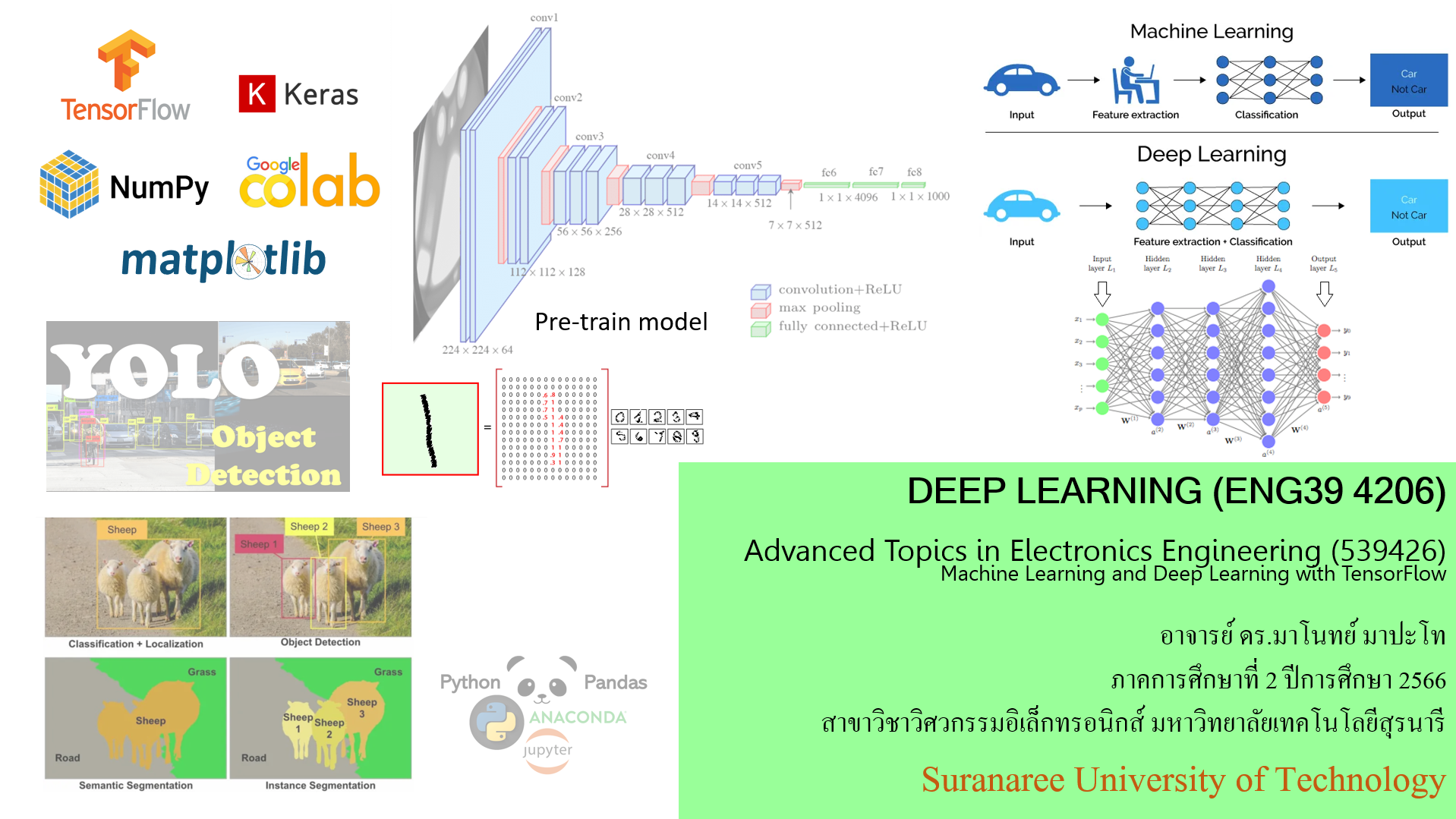
Description
This course is a project-based study for Smart Manufacturing Data Managementstack. This project concludes the core concept of the stack where the learner should propose an information technology solution to the problem and take the idea of data management and analysis as part of an automated system instead of a traditional labor-intensive system. Learners will work on joint projects from given requirements to develop a solution for data management and analysis for modern manufacturing process. Specific requirements will differ depending on the nature of the project. Learners need to use their creative thinking skill to generate and critical thinking skill to judge the ideas. Projects include the challenges that require application of data collection, database management, data analysis, and data visualization in manufacturing where the learner must consider the used of information technology to modernize the process; analytical and design procedures; communication skills; combined with ethical behavior of the individuals in each team.
รายวิชานี้เป็นรายวิชาโครงงานสำหรับกลุ่มวิชาด้านการจัดการข้อมูลในการผลิตอัจฉริยะ รายวิชานี้สรุปแนวคิดสำคัญที่เกี่ยวข้องผ่านการทำโครงงาน ซึ่งผู้เรียนจะต้องเสนอแนวทางแก้ไขปัญหาด้วยเครื่องมือทางเทคโนโลยี สารสนเทศ และใช้แนวคิดการจัดการข้อมูลและการวิเคราะห์ข้อมูลแบบอัตโนมัติมาทดแทนการทำงานแบบใช้แรงงาน ผู้เรียนจะทำโครงงานบูรณาการจากข้อกำหนดและความต้องการ เพื่อเสนอแนวทางและพัฒนาระบบการจัดการข้อมูลสำหรับกระบวนการผลิตสมัยใหม่ โดยความต้องการเฉพาะจะแตกต่างไปตามแต่ละโครงงาน ผู้เรียนจะต้องใช้ความสามารถในการคิดอย่างสร้างสรรค์เพื่อเสนอแนวความคิดและใช้ทักษะการคิดเชิงวิพากษ์เพื่อตัดสินแนวความคิด โครงงานจะประกอบไปด้วยความท้าทายที่ต้องความรู้ด้านการเก็บข้อมูล การจัดการฐานข้อมูล การวิเคราะห์ข้อมูล และการแสดงผลข้อมูลในการผลิต ซึ่งผู้เรียนจะต้องคำนึงถึงการใช้งานด้านเทคโนโลยีสารสนเทศเพื่อทำให้กระบวนการมีความทันสมัย การวิเคราห์และออกแบบกระบวนการ การใช้ทักษะด้านการสื่อสาร รวมถึงการทำงานอย่างมีจรรยาบรรณวิชาชีพในกลุ่มของตนเอง
Courses Learning Outcones(CLOs)
1. Gather relevant information about the data storage processes and data analysis of the current production system.
2. Analyse data to identify problems and find solutions for industrial data management, data communication, or data visualization through information systems for decision-making in industrial production processes.
3. Propose solutions to problems that represent the use of information technology or modern technology to manage, store, analyse and display information that improves or develop production processes in industry.
4. Verify the proposed data management, data communication, or data visualization system by conducting appropriate experiment.
5. Use appropriate tools to collect and control data communication between equipment in industrial production processes.
6. Consider the impact of engineering solutions in global, economic, environmental, and societal contexts.
7. Responsible for tasks relating with engineering profession.
8. Use language appropriate to the audience.
9. Use graphic that helps the understanding of the audience.
10. Apply existing knowledge to new situations.
11. Contribute to the creation of team goals and plans.
ผลสัมฤทธิ์การเรียนรู้
1. รวบรวมข้อมูลที่เกี่ยวข้องเกี่ยวกับกระบวนการจัดเก็บและวิเคราะห์ข้อมูลของระบบการผลิตในปัจจุบัน
2. วิเคราะห์การจัดการข้อมูล การสื่อสารข้อมูล หรือการแสดงข้อมูลผ่านระบบสารสนเทศ เพื่อใช้ประกอบการตัดสินใจในกระบวนการผลิตอุตสาหกรรม
3. เสนอแนวทางแก้ไขปัญหาที่แสดงถึงการใช้เทคโนโลยีสารสนเทศ หรือเทคโนโลยีสมัยใหม่ในการจัดการ จัดเก็บ วิเคราะห์ และแสดงผลข้อมูลที่ช่วยปรับปรุง หรือพัฒนากระบวนการผลิตในอุตสาหกรรม
4. ตรวจสอบระบบการจัดการข้อมูล การสื่อสารข้อมูล หรือการแสดงข้อมูลโดยทำการทดลองที่เหมาะสม
5. ใช้เครื่องมืออย่างเหมาะสมในการจัดเก็บข้อมูล และควบคุมการสื่อสารข้อมูลระหว่างอุปกรณ์ในกระบวนการผลิตทางอุตสาหกรรม
6. พิจารณาผลกระทบของการแก้ปัญหาทางวิศวกรรมในบริบทของโลก เศรษฐกิจ สิ่งแวดล้อม และสังคม
7. ความรับผิดชอบต่องานทางด้านวิศวกรรมที่ได้รับมอบหมาย
8. ใช้ภาษาเหมาะสมกับผู้รับสาร
9. ใช้สื่อกราฟฟิกที่ช่วยสร้างความเข้าใจแก่ผู้รับสาร
10. ใช้ความรู้ที่มีอยู่เดิมกับสถานการณ์ใหม่ได้
11. มีส่วนร่วมกับการสร้างเป้าหมายและแผนการทำงานของทีม
Course description
The capstone provides an opportunity for learners to integrate and apply knowledge from their academic studies, through the comprehensive evaluation of core modules in the curriculum of design of mechanical elements, design of mechanism, manufacturing process design, automated system design, manufacturing system design, quality and manufacturing competitiveness, and all learned fields. Course content delivered by the faculty mentor, based on real-world project. Learners present the entire study at the final class meeting. In addition to guidance from faculty mentor, your academic mentor from the anchor discipline will provide additional guidance and feedback through this phase of the study. The culminating product is the complete written report of the investigation and a formal presentation on the project to a professional audience of faculty mentors and other peers. Leaners are expected to be able to answer questions about their research and engage in professional dialogue about the topic during the formal presentation.
รายวิชานี้จะให้โอกาสผู้เรียนในการรวมความรู้ในการศึกษาและนำไปใช้ผ่านการประเมิน อย่างครอบคลุมของชุดวิชาหลักในหลักสูตรซึ่งประกอบไปด้วยการออกแบบองค์ประกอบกลไก การออกแบบ กลไก การออกแบบกระบวนการผลิต การออกแบบระบบอัตโนมัติ การออกแบบระบบการผลิต การควบคุม คุณภาพและขีดความสามารถการผลิต และแขนงที่ผู้เรียนได้ศึกษามา เนื้อหารายวิชาจะถูกสอนโดยคณาจารย์ที่ ทำหน้าที่เป็นที่ปรึกษาโดยอิงจากโครงงานจริงในอุตสาหกรรม ผู้เรียนนำเสนองานที่ได้ศึกษามาทั้งหมดในช่วง สุดท้ายของรายวิชา นอกเหนือจากคำแนะนำจากอาจารย์ที่ปรึกษา คำแนะนำจากที่ปรึกษาด้านวิชาการในด้าน ที่เกี่ยวข้องจะช่วยชี้แนะและให้ข้อมูลป้อนกลันแก่ผู้เรียน ผลิตผลสุดท้ายของโครงงานประกอบด้วยรายงานของ การศึกษา การนำเสนอโครงงานอย่างเป็นทางการแก่ผู้ฟังที่ประกอบไปด้วยคณาจารย์ และกรรมการ ผู้เรียน ต้องสามารถตอบคำถามเกี่ยวกับการศึกษาของตนเอง และมีส่วนร่วมในการโต้ตอบเกี่ยวกับหัวข้อการศึกษานั้น อย่างเป็นมืออาชีพ
Learning Outcomes
1. Identify engineering problems based on the principles of math, science, and engineering.
2. Analyse complex engineering problems considering the areas of materials and manufacturing processes.
3. Analyse complex engineering problems considering the areas of tooling engineering.
4. Analyse complex engineering problems considering the need of industrial automation systems.
5. Analyse complex engineering problems considering the effiency of manufacturing systems.
6. Analyse complex engineering problems considering the areas of quality and waste reduction.
7. Analyse complex engineering problems considering the need of information technology solutions for data management.
8. Develop solutions based on applying principles of math, science, and engineering.
9. Deliver an engineering solution that meet desired needs within realistic constraints.
10. Consider the impact of engineering solutions in global, economic, environmental, and societal contexts.
11. Develop and conduct appropriate experimentation, analyse and interpret data by the use of engineering judgment to draw conclusions.
12. Implement engineering project management considering contemporary issues.
13. Demonstrate responsibilities and ethics throughout the project.
14. Effectively communicate to a range of audiences by the use of speaking, writing, and graphics.
15. Acquire and apply new knowledge as needed, using appropriate learning strategies.
16. Function effectively on a team whose members together provide leadership, create a collaborative and inclusive environment, establish goals, plan tasks, and meet objectives.
17. Use techniques, skills, and modern tools necessary for engineering practice.
Introduction to the design process and graphical communications tools used by engineers. Documentation of design through freehand sketching and engineering drawings. Basic descriptive geometry. Computer-aided design as a design tool. Introduction to design for manufacturability. Emphasis of group work and peer review in the production of part for assemblies. Conceptual design projects presented in technical drawing format. Computer Laboratory.
กระบวนการออกแบบ และเครื่องมือทางด้านกราฟฟิคสำหรับการสื่อสารเบื้องต้นที่ใช้โดยวิศวกร การบันทึกเอกสารของการออกแบบโดยการวาดด้วยมือ และการวาดเชิงวิศวกรรม หลักการพื้นฐานของเรขาคณิตเชิงพรรณนา การใช้เครื่องมือทางคอมพิวเตอร์ช่วยในการออกแบบ หลักการเบื้องต้นของการออกแบบเพื่อกระบวนการผลิต เน้นการทำงานเป็นกลุ่ม และการวิจารณ์โดยเพื่อร่วมกลุ่มสำหรับการผลิตชิ้นส่วนเพื่อการประกอบ โครงงานการออกแบบแนวความคิดที่นำเสนอผ่านแบบทางวิศวกรรม และการทำปฏิบัติการผ่านเครื่องคอมพิวเตอร์
This course is a project-based study for selecting machine elements and designing equipment and tooling. Learners will work on joint projects from initial specification to scheme suggestion. Specific requirements will differ depending on the nature of the project. Learners need to use their creative thinking skill to generate and critical thinking skill to judge the ideas. Projects include the challenges that require application of math, science, and engineering knowledge; analytical and design procedures; communication skills; combined with ethical behavior of the individuals in each team.
รายวิชานี้เป็นรายวิชาโครงงานสำหรับการเลือกองค์ประกอบของเครื่องจักรและการออกแบบอุปกรณ์และเครื่องมือ ผู้เรียนจะทำโครงงานบูรณาการจากข้อกำหนดและความต้องการเพื่อเสนอแนวทาง โดยความต้องการเฉพาะจะแตกต่างไปตามแต่ละโครงงาน ผู้เรียนจะต้องใช้ความสามารถในการคิดอย่างสร้างสรรค์เพื่อเสนอแนวความคิด และใช้ทักษะการคิดเชิงวิพากษ์เพื่อตัดสินแนวความคิด โครงงานจะประกอบไปด้วยความท้าทายที่ต้องประยุกต์ใช้ทักษะด้านคณิตศาสตร์ วิทยาศาสตร์ และอาจรวมถึงความรู้ด้านวิศวกรรมอื่น ๆ ประกอบกับการวิเคราะห์และออกแบบขั้นตอน ทักษะด้านการสื่อสาร รวมถึงการทำงานอย่างมีจรรยาบรรณวิชาชีพในกลุ่มของตนเอง
This course is a project-based study for selecting machine elements and designing equipment and tooling. Learners will work on joint projects from initial specification to scheme suggestion. Specific requirements will differ depending on the nature of the project. Learners need to use their creative thinking skill to generate and critical thinking skill to judge the ideas. Projects include the challenges that require application of math, science, and engineering knowledge; analytical and design procedures; communication skills; combined with ethical behavior of the individuals in each team.
รายวิชานี้เป็นรายวิชาโครงงานสำหรับการเลือกองค์ประกอบของเครื่องจักรและการออกแบบอุปกรณ์และเครื่องมือ ผู้เรียนจะทำโครงงานบูรณาการจากข้อกำหนดและความต้องการเพื่อเสนอแนวทาง โดยความต้องการเฉพาะจะแตกต่างไปตามแต่ละโครงงาน ผู้เรียนจะต้องใช้ความสามารถในการคิดอย่างสร้างสรรค์เพื่อเสนอแนวความคิด และใช้ทักษะการคิดเชิงวิพากษ์เพื่อตัดสินแนวความคิด โครงงานจะประกอบไปด้วยความท้าทายที่ต้องประยุกต์ใช้ทักษะด้านคณิตศาสตร์ วิทยาศาสตร์ และอาจรวมถึงความรู้ด้านวิศวกรรมอื่น ๆ ประกอบกับการวิเคราะห์และออกแบบขั้นตอน ทักษะด้านการสื่อสาร รวมถึงการทำงานอย่างมีจรรยาบรรณวิชาชีพในกลุ่มของตนเอง
Practice in computing engineering problems and creating a chart for presentation using features, Macro, and program with Visual Basic for Applications in spreadsheet software.
ฝึกปฏิบัติการคำนวณปัญหาทางวิศวกรรมและสร้างแผนภาพนำเสนอข้อมูลโดยใช้ฟังก์ชั่นของโปรแกรมประยุกต์พื้นฐาน การเขียนมาโคร การเขียนโปรแกรมด้วยวิชวลเบสิคเพื่อควบคุมโปรแกรมประยุกต์พื้นฐาน
Description:
รายวิชานี้จะเรียนเกี่ยวกับพื้นฐานการใช้โปรแกรม AutoCAD เน้นการออกแบบและเขียน แบบชิ้นงานกลเป็นหลัก โดยจะเริ่มศึกษาเครื่องมือและฟังก์ชันพื้นฐานที่จำเป็น คำสั่งของโปรแกรม การเขียน รูปพื้นฐานในสองและสามมิติ การเขียนแบบโดยการวางหลายชั้น การสร้างเอกสารแบบสั่งงานสำหรับวิศวกร
Philosophy of computer-based design using AutoCAD emphasise on design and create mechanical parts. Study the function and essential commands of AutoCAD, basics of drawing in 2D and 3D, the practice of multiple layers for mechanical drawing.

Course Description:
Units and Measurement; Vectors; Motion Along a Straight Line; Motion in Two and Three Dimensions; Newton's Laws of Motion; Static Equilibrium and Elasticity, Work and Kinetic Energy; Potential Energy and Conservation of Energy; Linear Momentum and Collisions; Fixed-Axis Rotation; Angular Momentum
หน่วยและการวัด, เวกเตอร์, การเคลื่อนที่ตามแนวเส้นตรง การเคลื่อนที่ในสองและสามมิติ, กฎการเคลื่อนที่ของนิวตัน, สมดุลสถิตและความยืดหยุ่น, งานและพลังงานจลน์, พลังงานศักย์และการอนุรักษ์พลังงาน, โมเมนตัมเชิงเส้นและการชน, การหมุนแกนคงที่, โมเมนตัมเชิงมุม
Basic principles and techniques of the engineering projects analysis in economics for engineering profession, the value of money change over time, using a diagram of the value of money change over time, analysis, and comparison by various methods, return on investment, depreciation, break-even analysis, evaluation of engineering investment under risk and uncertainty, case study in engineering field.
หลักการและเทคนิคมูลฐานของการวิเคราะห์โครงการทางวิศวกรรมในเชิงเศรษฐศาสตร์ สำหรับวิชาชีพวิศวกรรม การเปลี่ยนค่าของเงินตามเวลา สามารถสร้างแผนภาพแสดงการเปลี่ยนแปลงค่าของเงินตามเวลา การวิเคราะห์และการเปรียบเทียบโครงการโดยวิธีต่างๆ อัตราผลตอบแทนจากการลงทุน การคิดค่าเสื่อมราคา การวิเคราะห์จุดคุ้มทุน การประเมินการลงทุนโครงการทางวิศวกรรมภายใต้สภาวะความเสี่ยงและความไม่แน่นอน กรณีศึกษาในทางวิศวกรรม
Course description
Education that provides students with the opportunity to learn practical skills in a workplace. Students will work in the workplace approved by the School. There will be clear responsibilities and clear schedules. The duration of work is not less than 24 hours a week. The results and evaluation must be reported by the faculty and the job supervisor at the workplace.
การศึกษาที่ให้นักศึกษาได้มีโอกาสเรียนรู้ภาคปฏิบัติและฝึกฝนทักษะในสถานประกอบการ จริง โดยนักศึกษาจะเข้าทำงาน ฝึกฝนในสถานประกอบการที่สาขาวิชารับรอง โดยจะมีการกำหนดหน้าที่ รับผิดชอบและตารางการปฏิบัติงานที่ชัดเจน โดยมีระยะเวลาทางานในสถานประกอบการไม่ต่ำกว่า สัปดาห์ละ 24 ชั่วโมง โดยจะต้องมีการรายงานผลและประเมินผลโดยคณาจารย์และผู้ควบคุมงานของสถานประกอบการ
Learning outcomes
1. Apply a basic knowledge from study to practical work in workplace.
2. Work and responsibility in team working.
3. Apply modern technology in real workplace.
4. Communicate with various professions.
ผลสัมฤทธิ์การเรียนรู้
1. ประยุกต์ความรู้พื้นฐานจากการเรียนในการปฏิบัติงาน ณ สถานประกอบการได้
2. ทำงานเป็นทีมรับผิดชอบ ในงานที่ได้รับมอบหมาย
3. ใช้เทคโนโลยีที่ทันสมัยในสถานประกอบการ
4. สื่อสารกับบุคคลหลายวิชาชีพได
Description:
การประยุกต์ใช้หลักการของลีนในกระบวนการผลิต กระบวนการให้บริการเพื่อพัฒนา ผลผลิต เพิ่มมูลค่าและกำจัดของเสียรวมไปถึงการใช้วิธีการแก้ปัญหาแบบซิกซ์ซิกม่าเพื่อลดความแปรปรวนและ เพิ่มคุณภาพ การใช้การควบคุมกระบวนการด้วยสถิติและวิธีการวิเคราะห์ในทั้งสองกระบวนการ เนื้อหาที่ เกี่ยวข้องประกอบด้วย วิธีการสร้างกระบวนแบบลีน การพิสูจน์แนวทางการแก้ปัญหาแบบลีน การจัดการ เปลี่ยนแปลงสู่การทำลีน การนำซิกซ์ซิกม่าหรือลีนซิกซ์ซิกม่าไปใช้ การนำห้าระยะของกระบวนการซิกซ์ซิกม่า DMAIC ไปปฏิบัติ
Application of lean principles to manufacturing, service processes in order to improve productivity, increase value and eliminate waste as well as the use of the Six Sigma problem solving methodology to reduce variation and improve quality. The SPC tools and analysis methods used in both approaches. The topics covered include: methods for creating Lean processes, proven lean problem-solving methodologies, managing a lean transformation, implementing a Six Sigma or Lean Six Sigma (LLS) initiative, and executing the five phases of the Six Sigma DMAIC process.
Course Learning Outcomes:
CLO1. อภิปรายถึงวิธีการสร้างและทำให้คงไว้ซึ่งวัฒนธรรมที่มุ่งเน้นการส่งมอบมูลค่าให้แก่ ลูกค้าโดยการใช้เทคนิคด้านการพัฒนาต่อเนื่องและกลยุทธ์การลดความแปรปรวน (Discuss how to create and sustain a culture that focuses on the delivery of value to the customer by utilizing continuous process improvement and variance reduction strategies.)
CLO2. ถอดความหมายของข้อมูลป้อนกลับจากลูกค้าและเป้าหมายขององค์กรให้กลายเป็น โอกาสในการพัฒนา (Translate customer feedback and enterprise goals into opportunities for improvement.)
CLO3. อธิบายความแตกต่างและความคล้ายคลึงระหว่างกระบวนการลีนกับซิกซ์ซิกม่า และ อธิบายว่าทั้งสองกระบวนการเกื้อหนุนซึ่งกันและกันอย่างไร รวมถึงทั้งสองกระบวนการ สามารถถูกนำไปใช้เพื่อผลประโยชน์ที่สูงขึ้นได้อย่างไร(Explain the differences and similarities between Lean and Six Sigma, how they complement one another and how they can be used together for greater benefit.)
CLO4. อธิบายขั้นตอนกระบวนการการเลือกโครงงานและตั้งเป้าหมายสำหรับโครงงานซิกซ์ ซิกม่าหรือลีนซิกซ์ซิกม่า (Explain the project selection process and set goals for a Six Sigma or LSS project.)
CLO5. อธิบายถึงเป้าหมายแต่ละระยะของกระบวนการซิกซ์ซิกม่า DMAIC และสร้างแผนการ จัดการและดำเนินโครงงานการพัฒนาด้วยซิกซ์ซิกม่า (Explain the goals of each phase of the Six Sigma DMAIC process and create a plan for managing and executing a Six Sigma improvement project.)
CLO6. อธิบายถึงหน้าที่และความรับผิดชอบของสมาชิกกลุ่มโครงงานซิกซ์ซิกม่า และลำดับขั้น ของการพัฒนาทีม เครื่องมือในการช่วยตัดสินใจของทีม และกระบวนการสื่อสารของ ทีม (Explain the roles and responsibilities of Six Sigma project team members, the stages of team development, common team decision making tools and team communication methods.)
CLO7. เลือกและประยุกต์ใช้เครื่องมือและวิธีการวิเคราะห์ที่แพร่หลายซึ่งเป็นส่วนหนึ่งของ กระบวนการลีนซิกซ์ซิกม่า DMAIC (Select and apply the tools and analysis methods commonly used as part of the Lean Six Sigma DMAIC process.)
Description:
Fundamental concepts in statistical inference with application to engineering contexts. The topics include data presenting and analyzing, discrete probability distribution (binomial distribution, poison distribution) and continuous probability distribution (normal distribution, exponential distribution), sampling theory, confidence intervals and hypothesis testing, analysis of variance, regression and correlation, define and measure of Six Sigma for statistical process control tools. Practice of commercial software in aiding of statistical analysis.
แนวความคิดพื้นฐานของการใช้สถิติในบริบทของวิศวกรรมศาสตร์ โดยมีหัวข้อประกอบด้วยการนำเสนอและวิเคราะห์ข้อมูล การแจกแจงความน่าจะเป็นแบบไม่ต่อเนื่อง (การแจกแจงแบบทวินาม การแจกแจงแบบปัวซอง) และการแจกแจงความน่าจะเป็นแบบต่อเนื่อง (การแจกแจงมาตรฐาน การแจกแจงแบบเลขชี้กำลง) ทฤษฎีการสุ่ม การกำหนดและวัดซิกซิกม่าสำหรับการใช้งานเครื่องมือในการควบคุมกระบวนการผลิตด้วยสถิติ การฝึกปฏิบัติซอฟท์แวร์เชิงพาณิชย์เพื่อช่วยในการวิเคราะห์สถิติ
Course Learning Outcomes (CLOs)
CLO1. Match types of data with distributions.
เลือกชนิดของข้อมูลกับประเภทการกระจายตัวของข้อมูลให้เหมาะสมกับสถานการณ์
CLO2. Select statistics and methodologies to model for basic hypothesis testing.
เลือกวิธีการทางสถิติเพื่อสร้างแบบจำลองสำหรับการทดสอบสมมติฐาน
CLO3. Classify and select appropriate data presentations such as table and diagram presentations.
ระบุและเลือกวิธีการนำเสนอข้อมูลที่เหมาะสม เช่น การนำเสนอแบบตารางและไดอะแกรม
CLO4. Apply appropriate software to communicate effectively of the data presentations and to model the basic hypothesis testing.
นำซอฟท์แวร์ที่เหมาะสมมาใช้ในการสื่อสารเพื่อนำเสนอข้อมูลและทดสอบสมมติฐานได้อย่างเหมาะสม
CLO5. Identify the statistics for define and measure of Six Sigma for statistical process control.
ระบุกระบวนการทางสถิติสำหรับการกำหนดและวัดค่าซิกซิกม่าสำหรับการควบคุมกระบวนการผลิตด้วยสถิติ
ENG35 4072 Big Data for Smart Manufacturing
This course focus on developing skills related to database and data analytics for manufacturing, which includes reading database schema and identifying relationship among the data entity and analyzing the data to extract knowledge using exploratory data analysis approach. The learners will grasp the idea of implementing the skills in a bigger system, such as SCM and ERP.
Course Learning Outcomes (CLOs)
CLO1. Use database theory to design database schema for storing essential manufacturing data.
CLO2. Interpret database schema and explain the relationship of data entity.
CLO3. Use statistical theory and information technology tools to analyze the data in the database to extract knowledge or key information from the dataset.
CLO4. Verify the result of data analysis on the aspect of result validity, correctness of intepretation, and requirement compliance.
ENG35 4073 Smart Manufacturing Monitoring System
This course focus on explaining the cloud computing service in the context of Industrial IoT and developing a monitoring system for smart manufacturing through an open-source software. The course also focus on communication from the service to various devices in the system for data acquisition.
Course Learning Outcomes (CLOs)
CLO1. Explain architecture of monitoring service as part of a cloud computing system
CLO2. Integrate sensors, actuators, and controllers data into a cloud monitoring system **MOVE**
CLO3. Develop monitoring dashboard using provided tools to meet the specified requirements.
CLO4. Use data visualization techniques to develop components as part of the monitoring dashboard
CLO5. Use appropriate tools to collect and control data communication between equipment in industrial production processes.
วิชาบังคับก่อน : ไม่มี
หลักสูตรนี้มุ่งเน้นไปที่การประมวลผลภาพและการมองเห็นของคอมพิวเตอร์ ซึ่งเน้นไปที่การศึกษาวิธีการที่ช่วยให้เครื่องจักรมีความสามารถในการเรียนรู้และวิเคราะห์ภาพและวิดีโอ หัวข้อที่จะกล่าวถึง ได้แก่ ความรู้เบื้องต้นเกี่ยวกับการประมวลผลภาพและการมองเห็นด้วยคอมพิวเตอร์ ประเภทและรูปแบบของภาพดิจิทัล การกำหนดขอบเขตเงื่อนไข การประมวลผลภาพโดยการเปลี่ยนแปลงรูปร่างหรือโครงสร้างของภาพ การปรับปรุงคุณภาพของภาพ เทคนิคการปรับตั้งค่ากล้องและแสง เทคนิคการรู้จำรูปร่างและรู้จำรูปแบบ การตรวจจับ ตัดแบ่งขอบเขต ระบุตำแหน่ง และรู้จำวัตถุที่ต้องการในภาพ การเขียนโปรแกรมคอมพิวเตอร์สำหรับการมองเห็นของเครื่องจักร การเชื่อมต่ออุปกรณ์ควบคุมกับระบบการมองเห็นของเครื่องจักร โครงงานออกแบบระบบมองเห็นของเครื่องจักร
ผลสัมฤทธิ์การเรียนรู้
- อธิบายหลักการการประมวลภาพและการควบคุมระบบการมองเห็นของเครื่องจักร
- เขียนโปรแกรมเพื่อเชื่อมต่ออุปกรณ์ควบคุมกับระบบมองเห็นของเครื่องจักรได้
- ประยุกต์ใช้ความรู้การประมวลผลภาพและคอมพิวเตอร์วิทัศน์ในการแก้ปัญหาการมองเห็นของเครื่องจักรที่ได้รับมอบหมายได้
Image Processing and Computer Vision
Prerequisite : none
This course focuses on image processing and computer vision focuses on studying methods that allow a machine to learn and analyze images and video. Topics to be covered include introduction to image processing and computer vision, digital image type and format, boundary description, image enhancement, camera and lighting adjusting technique, technique on shape recognition and pattern recognition, object detection, image segmentation, specify the location, and object recognition in the image, computer program for machine vision, interface machine vision with controller, design machine vision projects and apply machine vision systems to solving engineering problems.
Learning outcomes
- Describe principles of image processing and machine vision control.
- Write computer program for connecting controller and machine vision system.
- Apply computer vision and image processing knowledge to designing and implementing algorithms to a given machine vision problem.

คำอธิบายรายวิชา
หลักการและทฤษฎีทางจริยศาสตร์ สิทธิมนุษยชน สิทธิผู้ป่วย จริยธรรมและจรรยาบรรณวิชาชีพการพยาบาล ประเด็นปัญหาทางสุขภาพที่เกี่ยวข้องกับการตัดสินใจเชิงจริยธรรมในการปฏิบัติการพยาบาล รวมถึงกฎหมายวิชาชีพการพยาบาลและกฎหมายที่เกี่ยวข้อง
คำอธิบายรายวิชา
แนวคิด ทฤษฎี และหลักการบริหารทั่วไปและทางการพยาบาล การแก้ปัญหา การตัดสินใจ การบริหารจัดการทรัพยากรให้สอดคล้องกับภาระงาน งบประมาณ วัตถุประสงค์และเป้าหมายขององค์กร ภารกิจของผู้บริหารทางการพยาบาลและสมาชิกทีมการพยาบาล เทคนิคการบริหารความขัดแย้ง การประสานงานในการปฏิบัติงาน ภาวะผู้นำและการพัฒนาภาวะผู้นำทางการพยาบาล และการควบคุมมาตรฐานการพยาบาลเพื่อการประกันคุณภาพ
แนวคิดทฤษฎีและความรู้พื้นฐานเกี่ยวกับการคลอด การพยาบาลสรีรจิตสังคมระยะคลอดและหลังคลอด การพยาบาลระยะที่ 1, 2, 3 และ 4 ของผู้คลอด การทำคลอดปกติ การใช้ยาทางสูติศาสตร์ระยะคลอด การพยาบาลมารดาหลังคลอดทั้งปกติและมีภาวะเบี่ยงเบนทางสุขภาพ การประเมินสุขภาพทารกในครรภ์ การพยาบาลทารกแรกเกิดทันทีและการพยาบาลทารกแรกเกิดประจำวัน รวมทั้งฝึกปฏิบัติการพยาบาลมารดาในระยะคลอดและหลังคลอดในห้องปฏิบัติการ สอนสาธิตและฝึกปฏิบัติการย้อนกลับเกี่ยวกับหลักและเทคนิคการพยาบาลในระยะคลอดและหลังคลอด โดยบูรณาการเทคโนโลยีทางการพยาบาลที่ผสมผสานภูมิปัญญาท้องถิ่นและการพยาบาลข้ามวัฒนธรรม ภายใต้กรอบจรรยาบรรณวิชาชีพ
คำอธิบายรายวิชา
แนวคิดความปลอดภัย ปัจจัยของมนุษย์ที่มีความสำคัญต่อความปลอดภัยของผู้รับบริการ การทำความเข้าใจระบบและผลของความซับซ้อนในการดูแลผู้ป่วย การเป็นสมาชิกทีมที่มีประสิทธิภาพ การเรียนรู้จากความผิดพลาดเพื่อป้องกันอันตราย การทำความเข้าใจและการจัดการความเสี่ยงทางคลินิก การมีส่วนร่วมของผู้ป่วย และผู้ดูแล การใช้เครื่องมือและการปรับปรุงพัฒนาคุณภาพทางการพยาบาล โดยบูรณาการเทคโนโลยีทางการพยาบาล
(ภาษาไทย) แนวคิดวิทยาการระบาด หลักการป้องกันโรค ธรรมชาติการเกิดโรคและการกระจายโรคติดเชื้อและโรคไร้เชื้อ การศึกษาทางวิทยาการระบาด ดัชนีชี้วัดภาวะสุขภาพและปัจจัยเสี่ยง การคัดกรองโรค การสอบสวนและการเฝ้าระวังโรค วิทยาการระบาดของโรคที่เป็นปัญหาสาธารณสุขของประเทศ
(ภาษาอังกฤษ) Concepts in Epidemiology, the principle of diseases prevention, nature of determinant and distribution of infectious and non-infection of diseases, epidemiology study, health indicators and risk factors, diseases screening, investigation and surveillance of diseases, epidemiology of national public health problems
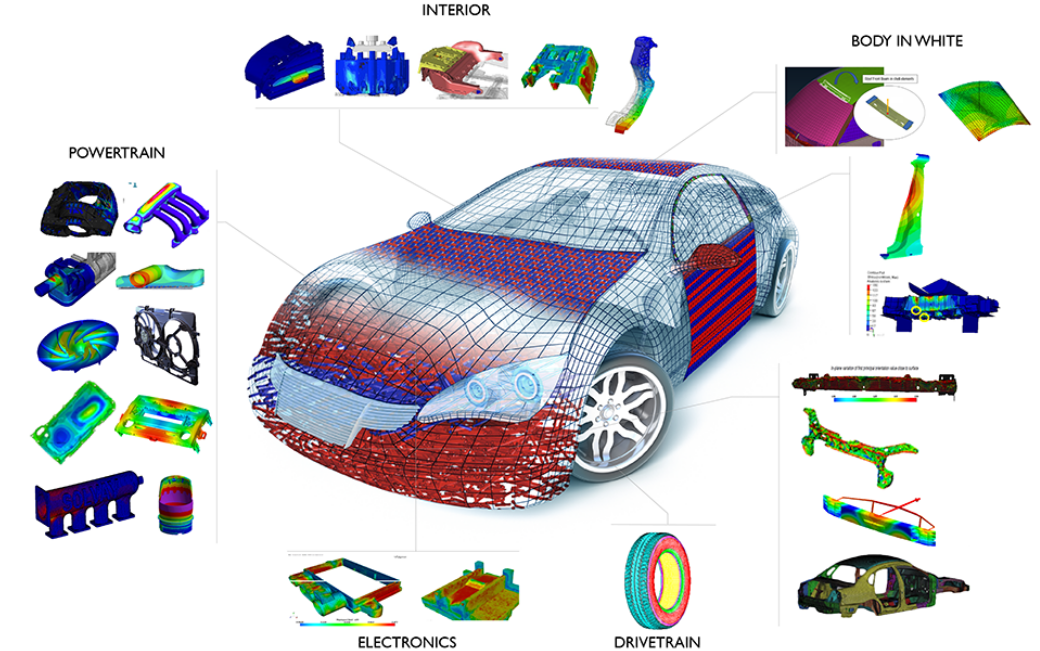
DEN01 4003 ระเบียบวิธีวิจัยวิทยาศาสตร์สุขภาพช่องปาก
อาจารย์ผู้รับผิดชอบรายวิชา ผศ. ทพ. ดร.วัชรพล ทิศกระโทก
อาจารย์ผู้ประสานรายวิชา ผศ. ทพ. ดร.ไพบูลย์ จิตประเสริฐวงศ์
ทรัพยากรสารสนเทศ แหล่งสารสนเทศ เครื่องมือและการค้นคืนสารสนเทศ การประเมินสารสนเทศ การสร้าง การใช้งาน และการแบ่งปันสารสนเทศด้วยโปรแกรมประยุกต์เพื่องานเอกสาร การนำเสนอสารสนเทศ การจัดการข้อมูลเพื่อการคำนวณ และการทำงานร่วมกันแบบออนไลน์ การรู้เท่าทันสื่อดิจิทัล การใช้สื่ออย่างปลอดภัยในสังคมดิจิทัล ค่านิยมที่ดี จริยธรรมและกฎหมายที่เกี่ยวข้องกับการใช้ชีวิตดิจิทัล
Information resources; information sources; information retrieval and tools; information evaluation; information creating, applying, and sharing by applications: word processing, presentation, spreadsheets, and online collaboration; digital media literacy; safe use of media in a digital society; good values; ethics and laws related to living in the digital age

English for Communication I (IST30 1101)
Trimester 1/2021
Course coordinator: Dr. Sirinthorn Seepho
Contacts: E-mail: sirin@sut.ac.th and Tel.: 089-204-6963
Objectives:
1. To develop student’s ability for effective and natural communication in both
social and academic settings
2. To promote integrated skills with primary emphasis on listening and speaking
skills
3. To improve communication management and language learning strategies to
become effective communicators
4. To promote active learning in students through topics relevant to their
interests and experiences
5. To introduce autonomous learning using various up-to-date and useful
resources
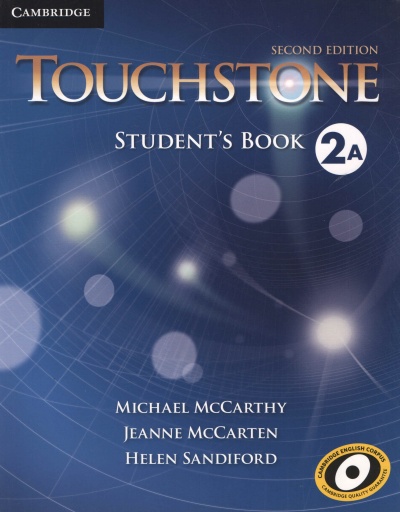
To answer the principle of language learning in the present global society, the main purpose of this course is to encourage the students to acquire language for communicative purposes, which includes precise knowledge of vocabulary, sentence structure, and appropriate tone of voice according to culture and language manner of the native speakers. In addition, the content mainly concerns with the language in daily basis such as travelling, health and welfare, sport, entertainment, asking and receiving the helps and services by various activities in and outside classroom. Moreover, student will also be encouraged to use the language as an important stepping-stone to explore and enhance his/her own interested career path.
Learning area for this course emphasizes the ability to use English language to identify the main idea, analyze the essence, conclude, interpret and express opinions from listening and reading feature articles and materials as well as provide justifications and examples for illustration. Moreover, the students will learn how to reasonably communicate and fluently express their plans for various situations both formal and informal ways.
All language skills; speaking, listening, reading, and writing, are included in both individual and group practice activities such as writing reflection, self-evaluation, oral presentation, conversing meaningful dialogue, role-play, and skit. Group discussion will focus on explaining and discussing about the differences of lifestyles, thoughts, beliefs, original of customs, language structures, idioms, proverbs, saying between Thai and foreign cultures.

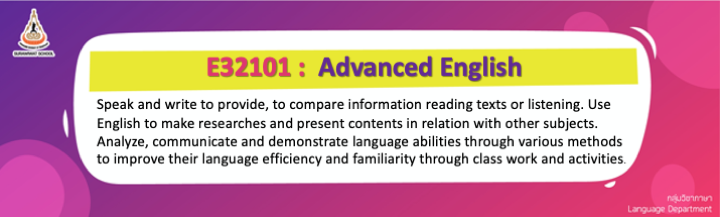

Developing English skills needed for employment preparation, covering such topics as job search, resumes, cover letters, and job interviews; effective communication skills in the workplace; skills needed in preparing for the Test of English for International Communication (TOEIC)

Developing English skills needed for employment preparation, covering such topics as job search, resumes, cover letters, and job interviews; effective communication skills in the workplace; skills needed in preparing for the Test of English for International Communication (TOEIC)

Atomic structure, bonding of solids, crystalline states, single-crystal growth technique, electrical properties of metals, Drude model, semiconductors, doping, generations of free electrons and holes, free-carrier concentrations, intrinsic and extrinsic semiconductors, pn junction and basing, basic operating principles of some electronic devices including diodes, bipolar junction transistors, MOSFETs, solar cells, and properties of dielectrics
พื้นฐานการทาความเย็น ระบบการทาความเย็น การอัดไอ การดูดซึม การทาความเย็นแบบ องค์ประกอบของระบบทาความเย็น เครื่องอัดไอ เครื่องควบแน่น เครื่องทาระเหย หอคอยน้า ท่อและอุปกรณ์ประกอบ การควบคุมระบบ การคานวณภาระความเย็น การออกแบบระบบทาความเย็น การเก็บรักษาผลิตผลเกษตรด้วยความเย็น การแช่เย็นและแช่แข็ง
หลักพื้นฐานของการใช้โปรแกรมคอมพิวเตอร์สำหรับช่วยออกแบบและวิเคราะห์งานทางวิศวกรรม การใช้ โปรแกรมคอมพิวเตอร์เพื่อสร้างแบบจำลองและวิเคราะห์ปัญหาทางวิศวกรรมในแบบต่างๆ อาทิเช่น การวิเคราะห์ การเคลื่อนที่ของกลไก การวิเคราะห์ความแข็งแรงของชิ้นส่วนเครื่องจักรกล การวิเคราะห์การไหลและการถ่ายเท ความร้อน
การเจาะสำรวจดิน การหาความชื้นในดินและพิกัดอัตเตอเบิร์ก การทดสอบการซึมผ่านของน้ำในดิน การทดสอบการบดอัดของดิน การทดสอบแรงเฉือนในดินแบบโดยตรง สมบัติทางกายภาพวัสดุเกษตร ความชื้นวัสดุเกษตร การลดขนาดและการคัดแยก การผสม การสมดุลมวลและพลังงาน
หลักการควบคุมคุณภาพในอุตสาหกรรมอาหาร คิวซีเซอร์เคิล เทคนิคการควบคุมกระบวนการเชิงสถิติ การใช้แผนภูมิควบคุม การวิเคราะห์สมรรถภาพของกระบวนการ แผนชักตัวอย่างเพื่อการยอมรับ การควบคุมและตรวจสอบโดยวิธีการสุ่มตัวอย่าง ความเชื่อถือได้และการทดสอบอายุการใช้งานของผลิตภัณฑ์ มาตรฐานอุตสาหกรรมในการควบคุมคุณภาพ ระบบการจัดการความปลอดภัยของอาหาร
ผลสัมฤทธิ์การเรียนรู้
- ใช้เครื่องมือควบคุมคุณภาพทั้งเจ็ดในงานควบคุมคุณภาพได้
- ประเมินระดับคุณภาพของผลิตภัณฑ์ที่ออกจากกระบวนการผลิตได้
- สร้างแผนภูมิควบคุมทั้งแผนภูมิควบคุมแบบแปรผันและตามลักษณะเพื่อใช้ในการควบคุมกระบวนการผลิตได้
- สร้างแผนการชักตัวอย่างเพื่อการยอมรับเชิงเดี่ยว เชิงคู่ และหลายเชิงได้
- วิเคราะห์สมรรถภาพกระบวนการผลิตได้
- อธิบายข้อกำหนดของมาตรฐานระบบจัดการความปลอดภัยของอาหารได้
This course provides a comprehensive understanding of using spreadsheets and advanced spreadsheet techniques. Students will be able to build formulas in Microsoft Excel to solve complex problems, including introduction for using Microsoft Power BI.
Basic concepts of architectural design relating with transportation and logistics management. Basic concepts of Three-Dimensional (3D) Design program (Sketch up), basic Sketching, making 3D objects, rendering and work presentation
This subject encourages learners to understand the fundamental concepts of architectural design in relevant to transportation engineer and logistic works. e.g. terminal design, warehouse design) The learners shall be able to use the basic design program which are relating to basic sketching, making 3D objects, rendering and work presentation.
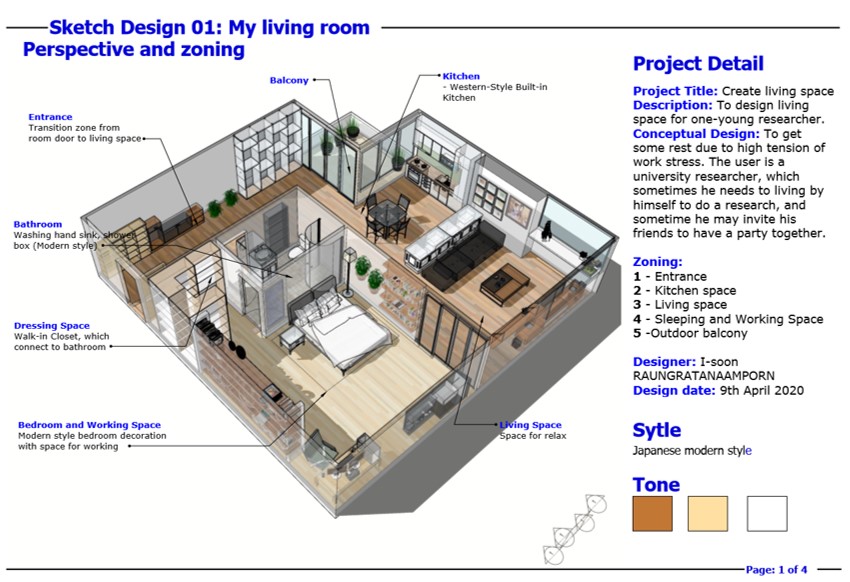
แนวคิดและทฤษฎีต่างๆ ที่เกี่ยวข้องกับวิศวกรรมข้อมูลเบื้องต้น การเก็บรวบรวมข้อมูล การดึงข้อมูลจากแหล่งข้อมูล การทำความสะอาดข้อมูล การใช้งาน Cloud Computing ที่กระทำร่วมกับข้อมูล กระบวนการทำ Data pipeline การใช้งาน Data Warehouse และการจัดเก็บข้อมูลขนาดใหญ่เพื่อการวิเคราะห์ การนำข้อมูลแสดงผลในรูปแบบแผนภูมิหรือกราฟ การประยุกต์ใช้งานทางด้านวิศวกรรมข้อมูลในด้านต่างๆ
To study the theory, operation and design calculation of important chemical engineering unit operations on heat and mass transfer.
Laboratory study of heat transfer and chemical reaction systems heat exchanger, conduction and convection heat transfer, natural and forced convection heat transfer, boiling heat transfer, fixed bed and fluidized bed heat transfer, batch and continuous reactors.

นิยามและสังกัป คุณสมบัติทางเทอร์โมไดนามิกส์ตารางและแผนภูมิของคุณสมบัติงาน ความ ร้อน กฎข้อที่หนึ่งของเทอร์โมไดนามิกส์ หลักการเปลี่ยนรูปพลังงาน กฎข้อที่สองของเทอร์โมไดนามิกส์ การไม่ สามารถย้อนกลับได้และเอ็นโทรปี หลักการถ่ายเทความร้อนเบื้องต้น การวิเคราะห์วัฏจักรอย่างง่ายของเทอร์โม ไดนามิกส

รายละเอียดรายวิชา
ศึกษาหลักการเขียนและอ่านแบบทางกลตามระบบการเขียนแบบมาตรฐานที่ใช้ในอุตสาหกรรม การกำหนดมิติ และการเผื่อ การกำหนดลักษณะผิวในงานเขียนแบบเทคนิคเพื่อการผลิต การหมุน รอยตัดภาพคลี่ ภาพตัด และสัญนิยม การเขียนภาพเครื่องจักกลแบบต่างๆ ที่มีมักพบในงานอุตสาหกรรม หลักการเขียนภาพประกอบของชิ้นส่วนเครื่องจักรตามมาตรฐาน
วิชาบังคับก่อน : ENG25 1010 เขียนแบบวิศวกรรม 1 (Engineering graphics I)

ศึกษาหลักการเขียนและอ่านแบบทางกลตามระบบการเขียนแบบมาตรฐานที่ใช้ในอุตสาหกรรม การกำหนดมิติ และการเผื่อ การกำหนดลักษณะผิวในงานเขียนแบบเทคนิคเพื่อการผลิต การหมุน รอยตัดภาพคลี่ ภาพตัด และสัญนิยม การเขียนภาพเครื่องจักกลแบบต่างๆ ที่มีมักพบในงานอุตสาหกรรม หลักการเขียนภาพประกอบของชิ้นส่วนเครื่องจักรตามมาตรฐาน


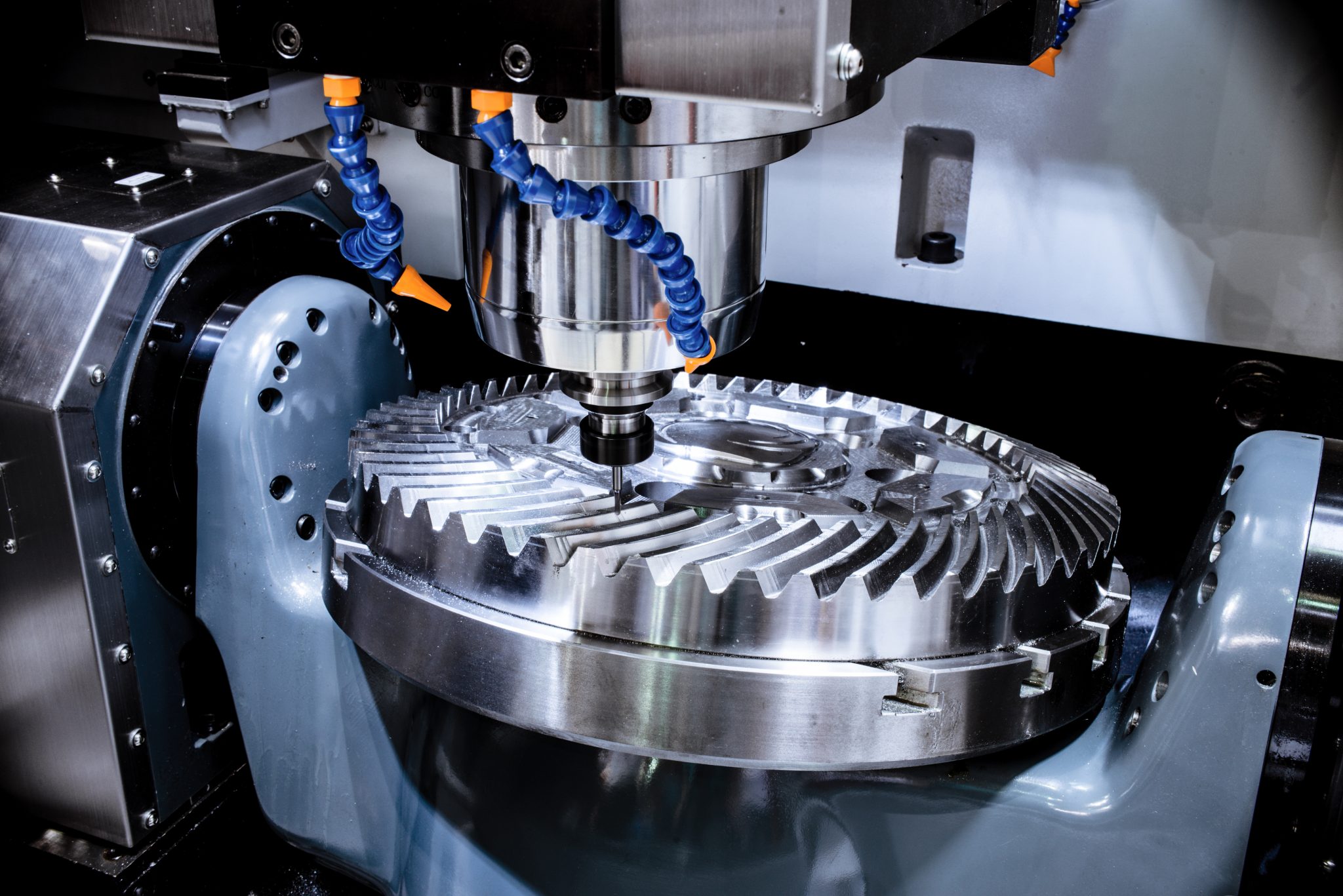
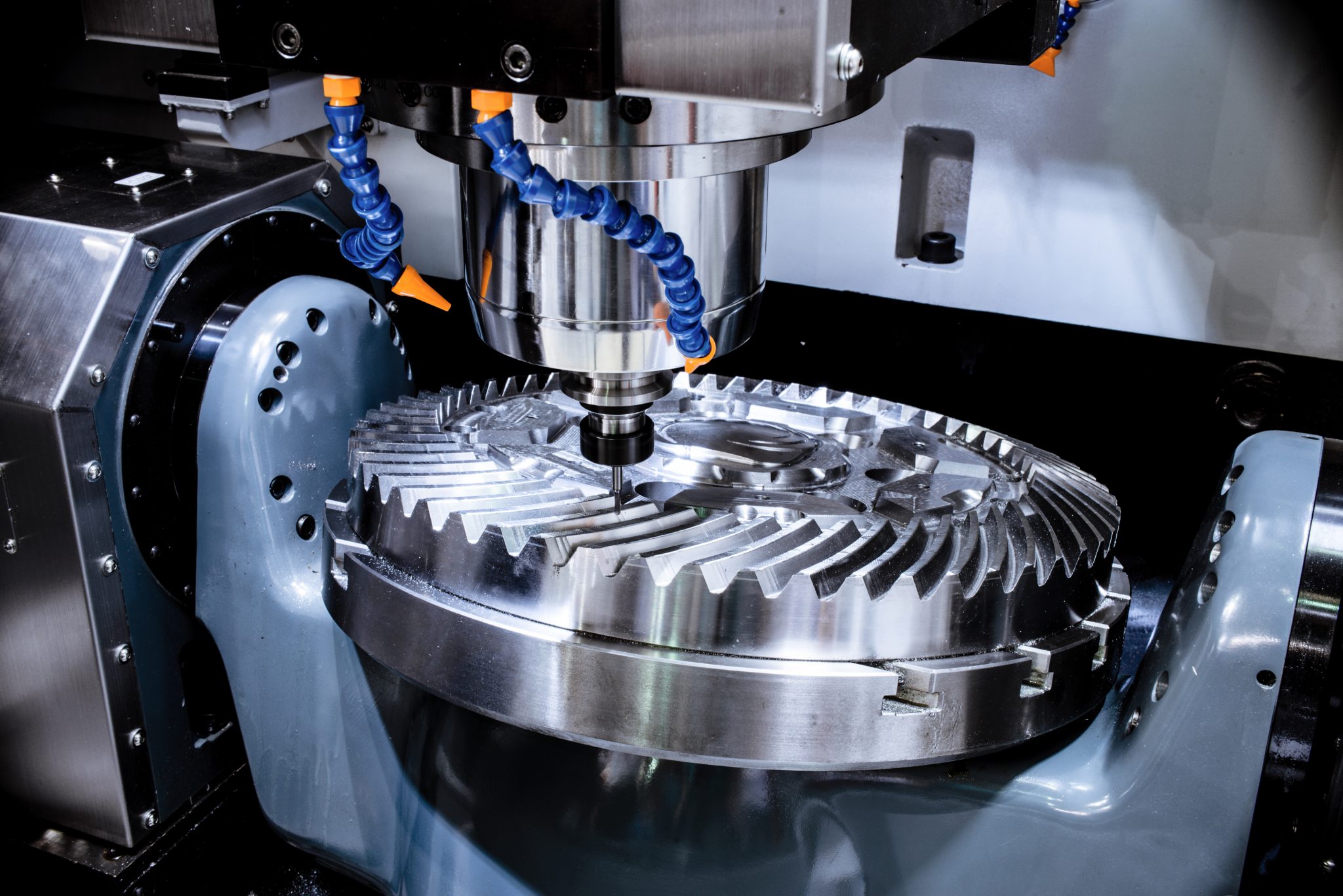
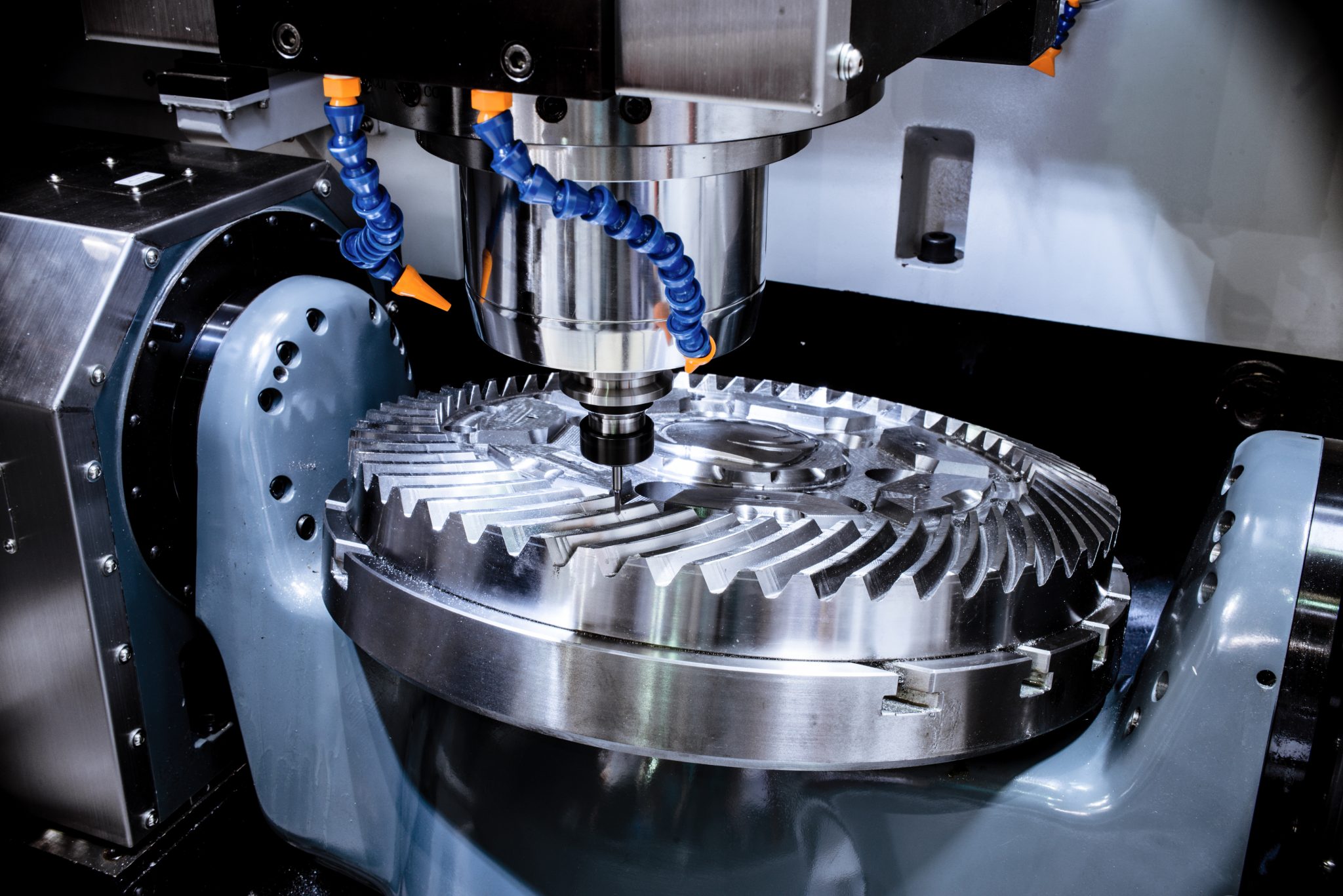
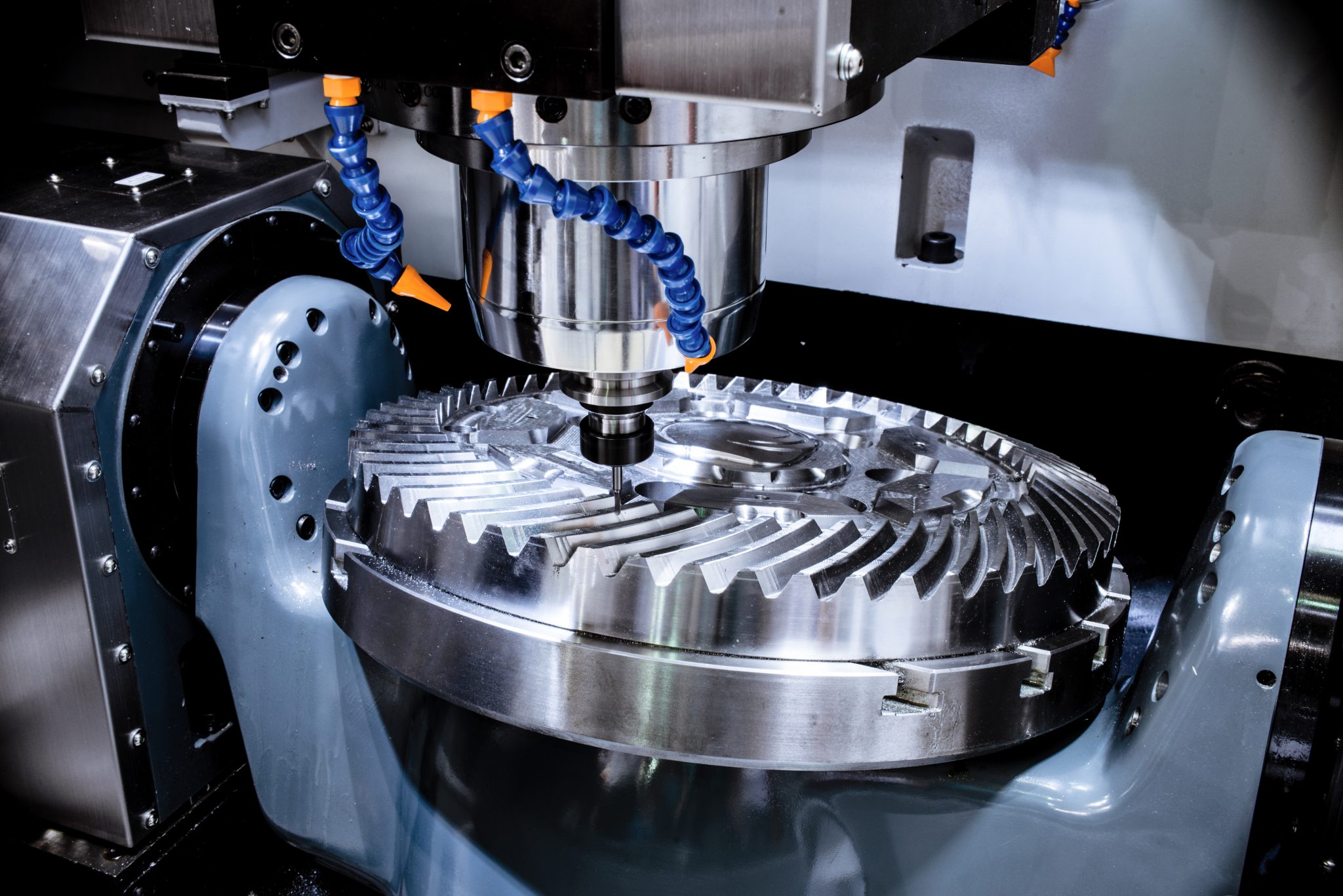

พื้นฐานแนวคิดการบำรุงรักษาแบบต่าง ๆ การบำรุงรักษาเมื่อเสื่อมสภาพ การบำรุงรักษาเชิงป้องกัน ทั้งแบบตามเวลาและตามสภาพชิ้นส่วน การป้องกันการบำรุงรักษา การบำรุงรักษาแบบทวีผลที่ทุกคนมีส่วนร่วม (TPM) และ 8 เสาหลักของ TPM หลักการจัดทำแผนการตรวจสอบ หล่อลื่น เปลี่ยนชิ้นส่วนเครื่องจักรและอุปกรณ์ การวัดและการประเมินประสิทธิภาพการบำรุงรักษาและ OEE แนวคิดและเทคโนโลยีการบำรุงรักษาสมัยใหม่
พื้นฐานแนวคิดการบำรุงรักษาแบบต่าง ๆ การบำรุงรักษาเมื่อเสื่อมสภาพ การบำรุงรักษาเชิงป้องกัน ทั้งแบบตามเวลาและตามสภาพชิ้นส่วน การป้องกันการบำรุงรักษา การบำรุงรักษาแบบทวีผลที่ทุกคนมีส่วนร่วม (TPM) และ 8 เสาหลักของ TPM หลักการจัดทำแผนการตรวจสอบ หล่อลื่น เปลี่ยนชิ้นส่วนเครื่องจักรและอุปกรณ์ การวัดและการประเมินประสิทธิภาพการบำรุงรักษาและ OEE แนวคิดและเทคโนโลยีการบำรุงรักษาสมัยใหม่
พื้นฐานแนวคิดการบำรุงรักษาแบบต่าง ๆ การบำรุงรักษาเมื่อเสื่อมสภาพ การบำรุงรักษาเชิงป้องกัน ทั้งแบบตามเวลาและตามสภาพชิ้นส่วน การป้องกันการบำรุงรักษา การบำรุงรักษาแบบทวีผลที่ทุกคนมีส่วนร่วม (TPM) และ 8 เสาหลักของ TPM หลักการจัดทำแผนการตรวจสอบ หล่อลื่น เปลี่ยนชิ้นส่วนเครื่องจักรและอุปกรณ์ การวัดและการประเมินประสิทธิภาพการบำรุงรักษาและ OEE แนวคิดและเทคโนโลยีการบำรุงรักษาสมัยใหม่
พื้นฐานแนวคิดการบำรุงรักษาแบบต่าง ๆ การบำรุงรักษาเมื่อเสื่อมสภาพ การบำรุงรักษาเชิงป้องกัน ทั้งแบบตามเวลาและตามสภาพชิ้นส่วน การป้องกันการบำรุงรักษา การบำรุงรักษาแบบทวีผลที่ทุกคนมีส่วนร่วม (TPM) และ 8 เสาหลักของ TPM หลักการจัดทำแผนการตรวจสอบ หล่อลื่น เปลี่ยนชิ้นส่วนเครื่องจักรและอุปกรณ์ การวัดและการประเมินประสิทธิภาพการบำรุงรักษาและ OEE แนวคิดและเทคโนโลยีการบำรุงรักษาสมัยใหม่
รายวิชา Ceramic Engineering Properties ในส่วนของ รศ.ดร. ศิริรัตน์ ทับสูงเนิน รัตนจันทร์
Course Outline
โครงสร้างสายโซ่ (chain structure) โครงรูปสายโซ่ (chain conformations) โครงร่างสายโซ่ (chain configurations) สเตอรีโอเคมี (stereochemistry)น้ำหนักโมเลกุล (molecular weight) และเทคนิคการหาน้ำหนักโมเลกุล ขนาดของพอลิเมอร์ (Chain size) สถานะอสัณฐาน (amorphous state) และสถานะผลึก (crystalline state) พอลิเมอร์อสัณฐาน ทรานสิชันของพอลิเมอร์อสัณฐาน (transition of amorphous polymers) ทฤษฎีอุณหภูมิทรานสิชันแก้ว ผลของโครงสร้างทางเคมีต่ออุณหภูมิทรานสิชันแก้ว โครงสร้างผลึกและแบบจำลองสถานะผลึก จลนศาสตร์ของการเกิดผลึก การหลอมเหลวและผลของโครงสร้างทางเคมีต่ออุณหภูมิหลอมเหลว อุณหพลศาสตร์ของการหลอมเหลว สารละลายพอลิเมอร์ (polymer solution) ระบบพอลิเมอร์-ตัวทำละลาย (polymer-solvent system) กระบวนการละลาย พารามิเตอร์การละลาย (solubility parameter) โครงรูปสายโซ่พอลิเมอร์ในสารละลาย อุณหพลศาสตร์ของสารละลายพอลิเมอร์ ชนิดของสารละลาย อันตรกิริยาของพอลิเมอร์-ตัวทำละลาย สมดุลเฟส (phase equilibrium) ความหนืดของสารละลาย (solution viscosity) พอลิเมอร์ผสม (polymer-polymer blends) ความเข้ากันได้ (miscibility) ไดอะแกรมเฟส (phase diagram) อุณหพลศาสตร์ของการแยกเฟส (phase separation) สัณฐานวิทยาของพอลิเมอร์ผสม (polymer blend morphology)
Chain structure of polymer molecules, configurations and conformation of polymer chain, chain entanglement and molecular chain size, multicomponent polymer system, amorphous state and crystalline state of solid polymers, chain structure and conformation in amorphous state and crystalline state, crystalline morphology, crystallization and kinetics of crystallization, thermodynamics of fusion, thermal transitions, theories of glass transition temperature, thermal transitions of multicomponent polymer system, polymer solutions, thermodynamics of mixing, phase equilibrium and thermodynamics of phase separation.
since 3 2564
Course Content
Practice on measurement instruments and control systems related to polymer processing machine including temperature and pressure measurement, coordinate measuring machine (CMM), proximity sensor, pneumatic system, hydraulic system and program logic control (PLC) system, proximity sensor, pneumatic system, hydraulic system and program logic control (PLC) system.
Course Learning Outcomes vs Program Learning Outcomes (Program Learning Outcomes) vs PI
PLO3: สามารถพัฒนาและดำเนินการตรวจสอบและทดสอบ ทดลองที่เหมาะสม วิเคราะห์และแปลผลข้อมูล โดยใช้วิจารณญาณทางวิศวกรรมพอลิเมอร์ เพื่อสรุปผลการทดลอง
CLO1: Able to apply basic science and engineering to describe basic principles of measuring instruments and control systems, related to polymer processing machines. (สามารถใช้พื้นฐานทางด้านวิทยาศาสตร์และวิศวกรรมศาสตร์อธิบายหลักการทำงานเบื้องต้นของเครื่องมือวัดและระบบการควบคุมเครื่องจักรในกระบวนการขึ้นรูปพอลิเมอร์) (report introduction or quiz) (PI3.2)
CLO2: Able to use measuring instruments appropriately and safely. (สามารถใช้อุปกรณ์วัด (sensor) ได้อย่างเหมาะและปลอดภัย) (PI3.1)
CLO3: Able to make the unit of proximity, pneumatic, and hydraulic system function properly and
safely (สามารถเชื่อมต่อหน่วยย่อยของตัววัด proximity ระบบนิวเมติกส์ และระบบไฮดรอลิกส์ได้อย่างถูกต้องและปลอดภัย) (PI3.1)
CLO4: Able to write command program to control the PLC system and make it function as desired and safely (สามารถเขียนชุดคำสั่งควบคุมการทำงานของระบบ PLC เพื่อให้หน่วยย่อยของระบบทำงานได้อย่างที่ต้องการและปลอดภัย) (PI3.1)
CLO5: Able to determine data that is appropriate to collect. (รู้ข้อมูลที่เหมาะสมในการบันทึก) (PI3.2)
CLO6: Able to calculate readout error of the instruments. (คำนวณค่าความผิดพลาดของข้อมูลจากการวัดได้) (PI3.3) (tolerance and acceptance limit)
PLO4: สามารถติดต่อสื่อสารในงานวิศวกรรมได้อย่างมีประสิทธิผลกับผู้รับที่หลากหลาย (ทั้งภาษาไทยและภาษาต่างประเทศ ด้วยวาจา การเขียนรายงาน การเสนอผลงาน แบบทางวิศวกรรม
CLO7: Grammarly write an academic short report in an appropriate technical style format covering all required topics. (สามารถเขียนรายงานทางวิชาการอย่างสั้นในรูปแบบทางเทคนิคและไวยกรณ์ที่เหมาะสม และหัวข้อรายงานครบถ้วนตามที่กำหนด) (ภาพรวมรายงาน) (PI4.1)
CLO8: Graphically present the results as graphs or tables, suitably. (นำเสนอผลจากการทดสอบในรูปแบบของกราฟ หรือ ตาราง ได้อย่างเหมาะสม) (PI4.2)
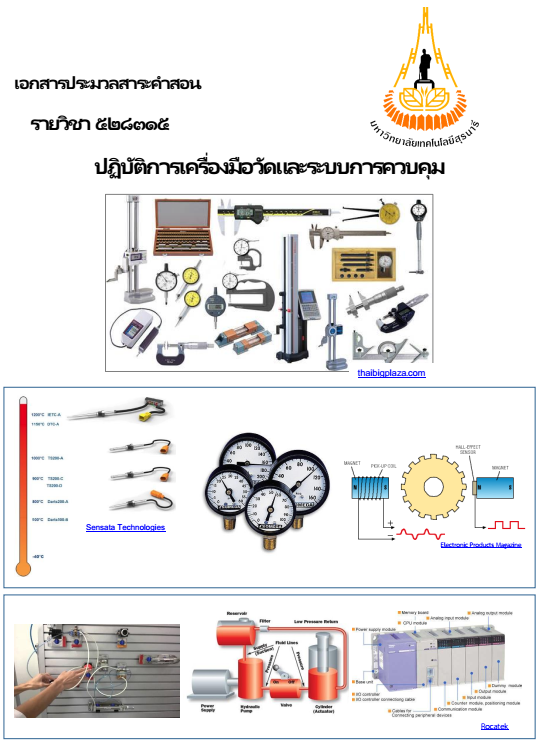
ระเบียบวิธีการวิจัยสำหรับโครงงานวิจัยวิศวกรรม พอลิเมอร์ วิธีการค้นคืนสารสนเทศ การใช้โปรแกรมEndNote การเตรียมสื่อสำหรับการนำเสนองาน การเขียนรายงานและวิธีการเขียนเอกสารอ้างอิง การอ่านจับใจความบทความวิชาการภาษาอังกฤษ การอบรมการใช้เครื่องขึ้นรูปและเครื่องทดสอบสมบัติทางกล ข้อควรปฏิบัติและความปลอดภัยในการใช้เครื่องมือ

 |
ENG30 2001 สถิตยศาสตร์วิศวกรรม 4(4-0-8) (Engineering Statics) วิชาบังคับก่อน: SCI05 1001 ฟิสิกส์ 1 คำอธิบายรายวิชา ระบบแรง แรงลัพธ์และโมเมนต์ลัพธ์ สมดุล การวิเคราะห์โครงสร้าง แรงภายใน ความเสียดทานจุดศูนย์กลางน้ำหนักและจุดศูนย์กลางพื้นที่ หลักการงานสมมติ เสถียรภาพ |
Course Description or Course syllabus
Force systems, resultant forces and moments, equilibrium, structural analysis, internal forces, friction, center of gravity and centroid, moment of inertia, Virtual Work and Stability
|
|
ENG30 2002 กลศาสตร์วัสดุ 1 4(4-0-8)(Mechanics of Materials I)แรงและหน่วยแรง ความสัมพันธ์ของหน่วยแรงและความเครียด หน่วยแรงในคาน แผนภาพแรงเฉือน และแผนภาพโมเมนต์ดัด ระยะโก่งของคาน การโก่งเดาะของเสา วงกลมของมอร์และหน่วยแรงกระทำร่วมเกณฑ์ กำหนดการวิบัติ |


General properties of engineering materials: metals, ceramics, polymers and composite; materials innovation concept, classification of metallic materials; crystal structures of metals; macro- and micro structural examinations; mechanical properties and mechanical testing; phase equilibrium diagrams and interpretations; metal processing; heat treatment of metals; structure - property - processing - application relationships of metallic materials; mechanical degradation in services, corrosion of metals and preventions.

Stress – strain relationships; Elastic behavior, stress analysis in two and three dimensions; Yield criteria; Plastic behavior and dislocation, Factors affecting deformation in metals; Strengthening mechanisms, Fracture, Standard mechanical testing: hardness, compression, tensile, creep, torsion, bending, impact testing; Introduction to fracture mechanics and fail - safe design; Fatigue life assessment, S-N curve, fatigue crack growth, Factors affecting mechanical properties of metals and selection
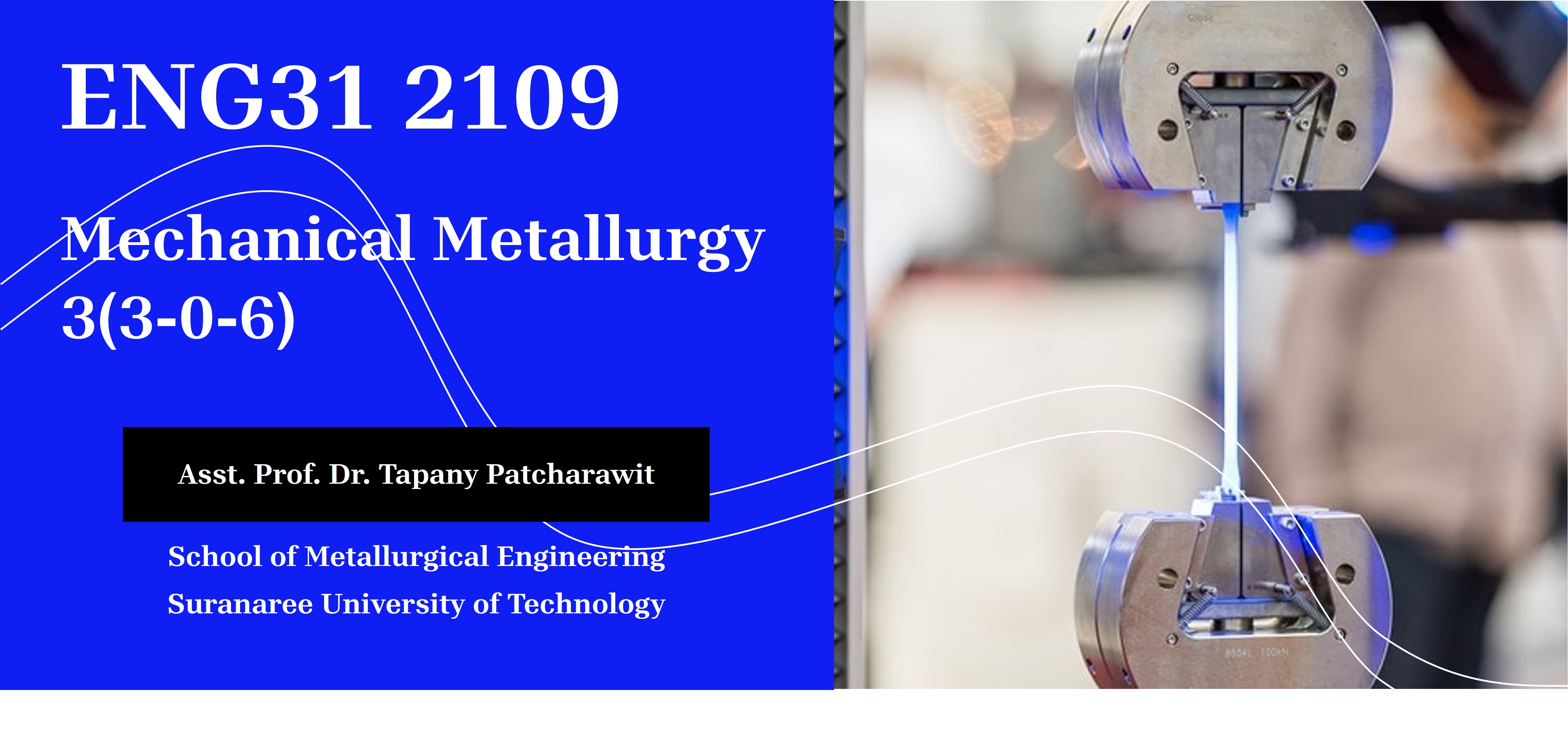
Technical English for engineers in industrial workplace; Practicing technical terms, making usable vocabulary list; Report daily routine, memo, e-mailing; Exchange technical information, work instruction and planning; Meeting conversations, preparing meeting minutes; Guidelines for technical seminar; Presentation of technical data using visual aids and digital media; Body language and pronunciation.
แนะนำขอบเขตสาขาวิชาวิศวกรรมสิ่งแวดล้อม โดยมีเนื้อหาครอบคลุมกฎหมายและข้อบังคับเกี่ยวกับสิ่งแวดล้อม มลภาวะกับผลกระทบต่อสุขอนามัย การรวบรวมและการกำจัดขยะมูลฝอย การสุขาภิบาลภายในอาคาร การจัดการมลพิษทางอากาศและเสียง แหล่งน้ำและการผลิตน้ำประปาสำหรับชุมชนเมืองและชุมชนในชนบท การรวบรวมและการบำบัดน้ำเสีย

This course mainly covers fundamental fluid mechanics and water resources engineering that is necessary for environmental engineering students. Lectures consist of properties of fluids, static force, dynamic and kinetics of fluid, energy and Bernoulli’s equation, flow in pipe, open channel flow, hydraulic pressure, flow measurement, fundamental resource engineering, hydrologic cycle, water distribution, runoff and storm drain, probability and risk in hydraulic design, pumps

Course description
This course will provide the basic of wastewater engineering design. Topics include laws and regulations governing wastewater control, wastewater characteristics, wastewater collection systems, treatment plant layout, and treatment plant design. The design section also includes the topics of physical, chemical and biological treatment units, sludge treatment, and on-site treatment.
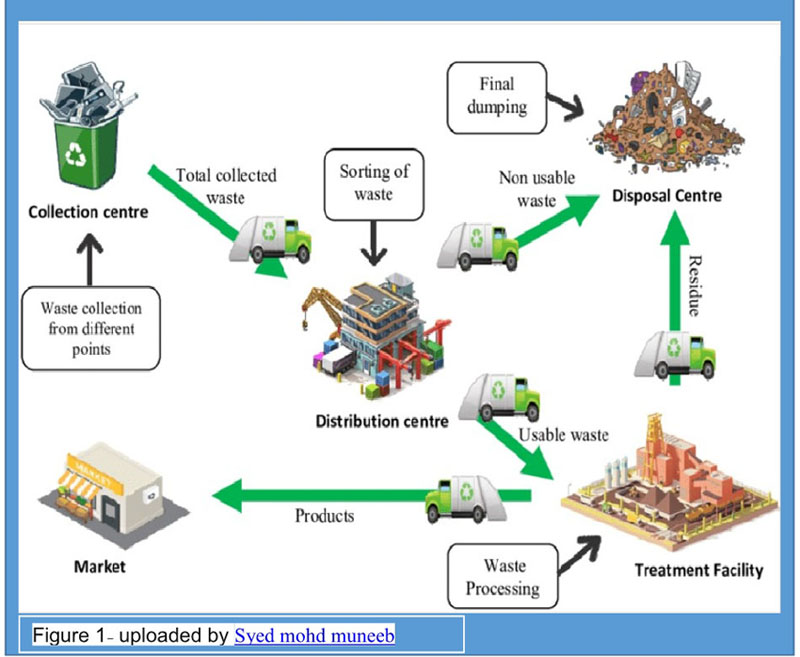
ENG32 3307 สารสนเทศภูมิศาสตร์ และการทำแบบก่อสร้างสำหรับวิศวกรรมสิ่งแวดล้อม
GIS and Construction Drawings Preparation for Environmental Engineering
ความสัมพันธ์ของแบบจำลองสารสนเทศภูมิศาสตร์ และตำแหน่งที่มีอยู่จริงบนพื้นโลก และการนำเสนอแผนที่ แบบจำลองเชิงพื้นที่ การแปลปัญหาเข้าสู่ระบบสารสนเทศภูมิศาสตร์ การนำเข้าข้อมูล การจัดการฐานข้อมูล และ การใช้ระบบสนเทศภูมิศาสตร์ในการแก้ปัญหางานด้านสิ่งแวดล้อมกรณีศึกษา กฎหมายเกี่ยวกับงานก่อสร้าง ขั้นตอนการก่อสร้าง สัญลักษณ์แบบในงานก่อสร้าง การอ่านแบบในงานก่อสร้าง โปรแกรมที่ใช้ในงานทำแบบก่อสร้าง การสำรวจในการก่อสร้าง การฝึกปฏิบัติเขียนแบบระบบงานสุขาภิบาล การฝึกปฏิบัติเขียนแบบระบบควบคุมมลพิษ

ทฤษฎีความน่าจะเป็น ตัวแปรสุ่ม การแจกแจงความน่าจะเป็น การสุ่มตัวอย่าง การประมาณค่าและการทดสอบสมมติฐาน การวิเคราะห์ความแปรปรวน การประยุกต์หลักสถิติเพื่อใช้ในงานวิศวกรรม
สรุปหลักการโดยย่อทางเศรษฐศาสตร์โดยเน้นเรื่องดอกเบี้ยและค่าของเงินที่เปลี่ยนไปตามเวลา การวิเคราะห์และเปรียบเทียบการลงทุนแบบต่างๆ สำหรับโครงการทางวิศวกรรม เช่น การวิเคราะห์จุดคุ้มทุน การคิดค่าเสื่อมราคา การประเมินการทดแทน ความเสี่ยงและความไม่แน่นอน การวิเคราะห์ผลที่เกิดขึ้นภายหลังจากหักภาษีเงินได้
1. Description:
รายวิชานี้จะเรียนเกี่ยวกับพื้นฐานการใช้โปรแกรม AutoCAD เน้นการออกแบบและเขียน แบบชิ้นงานกลเป็นหลัก โดยจะเริ่มศึกษาเครื่องมือและฟังก์ชันพื้นฐานที่จำเป็น คำสั่งของโปรแกรม การเขียน รูปพื้นฐานในสองและสามมิติ การเขียนแบบโดยการวางหลายชั้น การสร้างเอกสารแบบสั่งงานสำหรับวิศวกร
Philosophy of computer-based design using AutoCAD emphasise on design and create mechanical parts. Study the function and essential commands of AutoCAD, basics of drawing in 2D and 3D, the practice of multiple layers for mechanical drawing.
2. Credits: 2(1-3-5)
3. Prerequisites or co-requisites:
None
4. Course Type: Technical Elective
5. Course Instructor: Asst. Prof. Dr. Prasert Aengchuan,
E-mail prasert.a@g.sut.ac.th, Tel. 4272
6. Classroom/Teaching Platform: Facebook Group, SUT e-Learning
Facebook Group: ENG35 4507 AUTOCAD FOR ENGINEERING
Google Classroom: ENG35 4507 AUTOCAD FOR ENGINEERING
7. Teaching-Learning Materials:
8. Course Learning Outcomes (CLOs)
CLO1 สามารถใช้โปรแกรมออโตแคดเขียนแบบรูปพื้นฐานในสองและสามมิติได้
Ability to apply AutaCAD package to create drawings in 2D and 3D.
CLO2 สามารถเขียนแบบโดยการวางหลายชั้นในออโตแคดได้
Ability to create multiple layers in AutoCAD.
CLO3 สามารถสร้างแบบทางวิศวกรรมให้เป็นไปตามมาตรฐานของแบบวิศวกรรมทาง อุตสาหกรรม
Ability to create mechanical drawings according to industry standards.
บทนำเกี่ยวกับเกี่ยวทฤษฎีฟัซซี่เซต ทฤษฎีเซตแบบดั้งเดิม แนวคิดเบื้องต้นและคุณสมบัติของฟัซซี่ ความสัมพันธ์แบบดั้งเดิม ความสัมพันธ์แบบฟัซซี่ เลขคณิตเชิงฟัซซี่ ฟัซซี่ลอจิก กลไกการอนุมานของฟัซซี่ลอจิก การประยุกต์ใช้ฟัซซี่ลอจิกด้วยโปรแกรมแมทแลบ กรณีศึกษาด้านวิศวกรรม
Introduction to fuzzy sets theory, classical sets theory, basic concepts and properties of fuzzy sets, classical relations, fuzzy relations, fuzzy arithmetic, fuzzy logic, fuzzy inference system, fuzzy logic applications with MATLAB, case study for engineering problems.
หลักการและเทคนิคมูลฐานของการวิเคราะห์โครงการทางวิศวกรรมในเชิงเศรษฐศาสตร์ สำหรับวิชาชีพวิศวกรรม การเปลี่ยนค่าของเงินตามเวลา สูตรดอกเบี้ยและการแก้ปัญหาดอกเบี้ย การวิเคราะห์และการเปรียบเทียบโครงการโดยวิธีต่างๆ อัตราผลตอบแทนจากการลงทุน การวิเคราะห์การทดแทนทรัพย์สิน การคิดค่าเสื่อมราคา การวิเคราะห์จุดคุ้มทุน การประเมินการลงทุนโครงการทางวิศวกรรมภายใต้สภาวะความเสี่ยงและความไม่แน่นอน กรณีศึกษาในทางวิศวกรรม
การศึกษาหรือค้นคว้าปัญหาเฉพาะที่ได้รับมอบหมายจากผู้สอน ด้วยความเห็นชอบของหัวหน้าสาขาวิชา งานดังกล่าวจะต้องสำเร็จในหนึ่งภาคการศึกษา โดยต้องส่งเอกสารรายงานเพื่อเก็บรักษาไว้ที่สาขาวิชา และต้องมีการสอบปากเปล่า
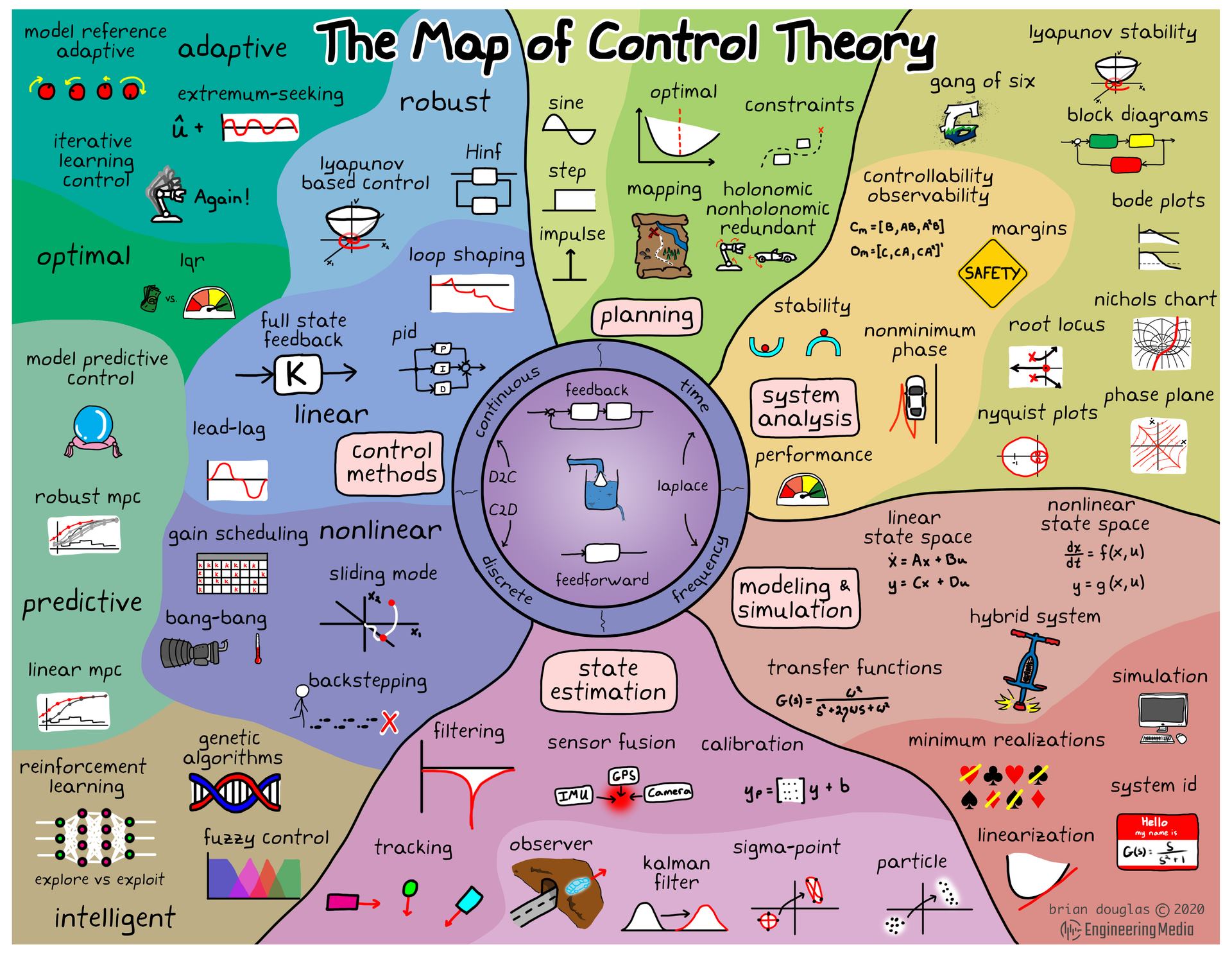
คุณสมบัติเชิงวิศวกรรมของดิน การตรวจวัดและการจำแนกดิน การวิเคราะห์ความเค้นและความเครียด กฎเกณฑ์การแตก การวิเคราะห์เสถียรภาพ การประยุกต์ทางด้านธรณีเทคนิคสำหรับการขุดเจาะดิน (Physical and engineering properties of soil, soil properties measurements and classification, soil investigation, stress-strain analysis, soil strength criteria, stability analysis, and geotechnical application to soil engineering works.)
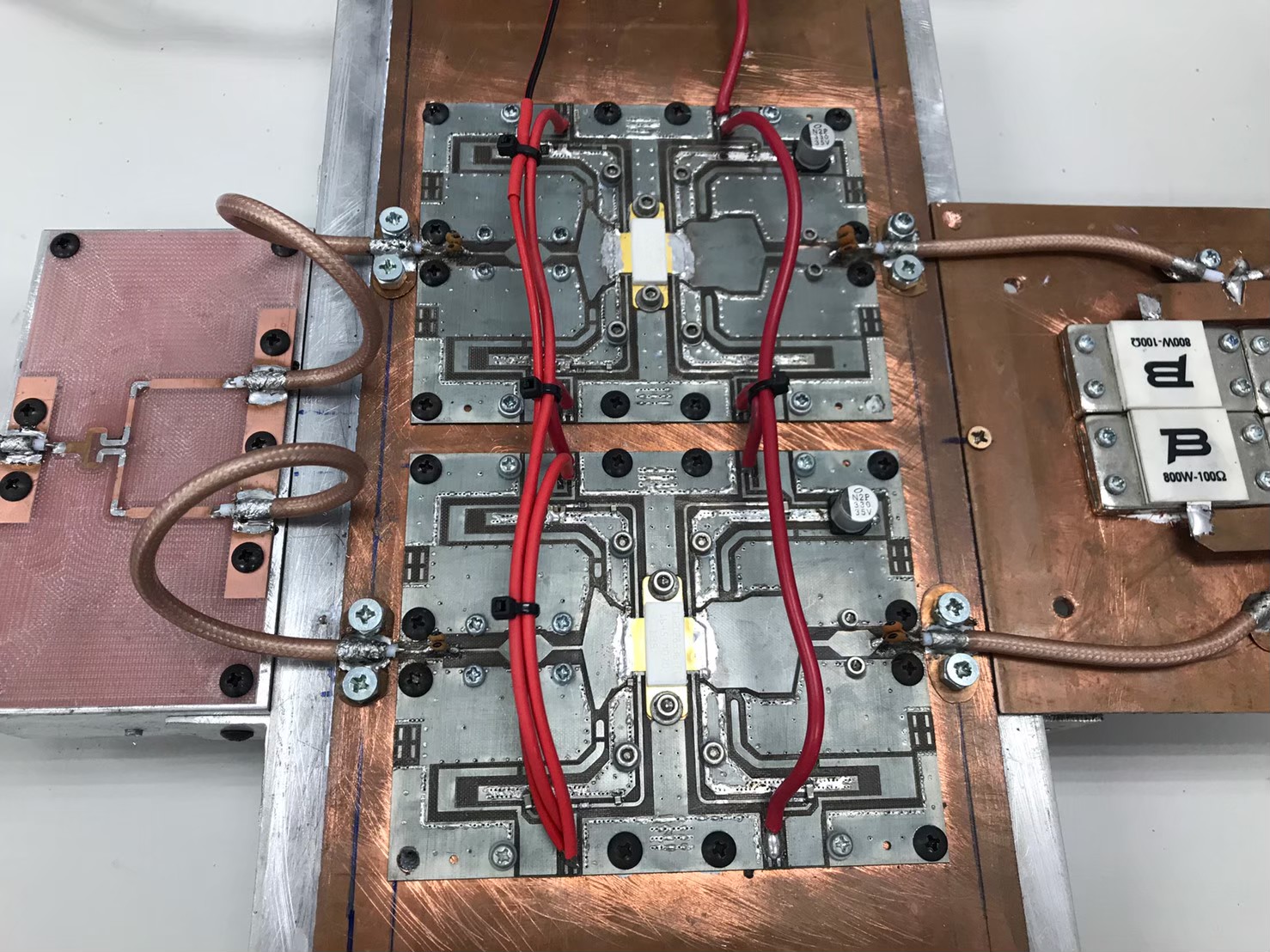
อุตสาหกรรมอัตโนมัติและระบบควบคุม การเขียนโปรแกรม PLC การจำลองด้วย Factory IO และการเชื่อมต่ออุปกรณ์ต่าง ๆ เช่น การขับ Steeping Motor, Relay, Encoder
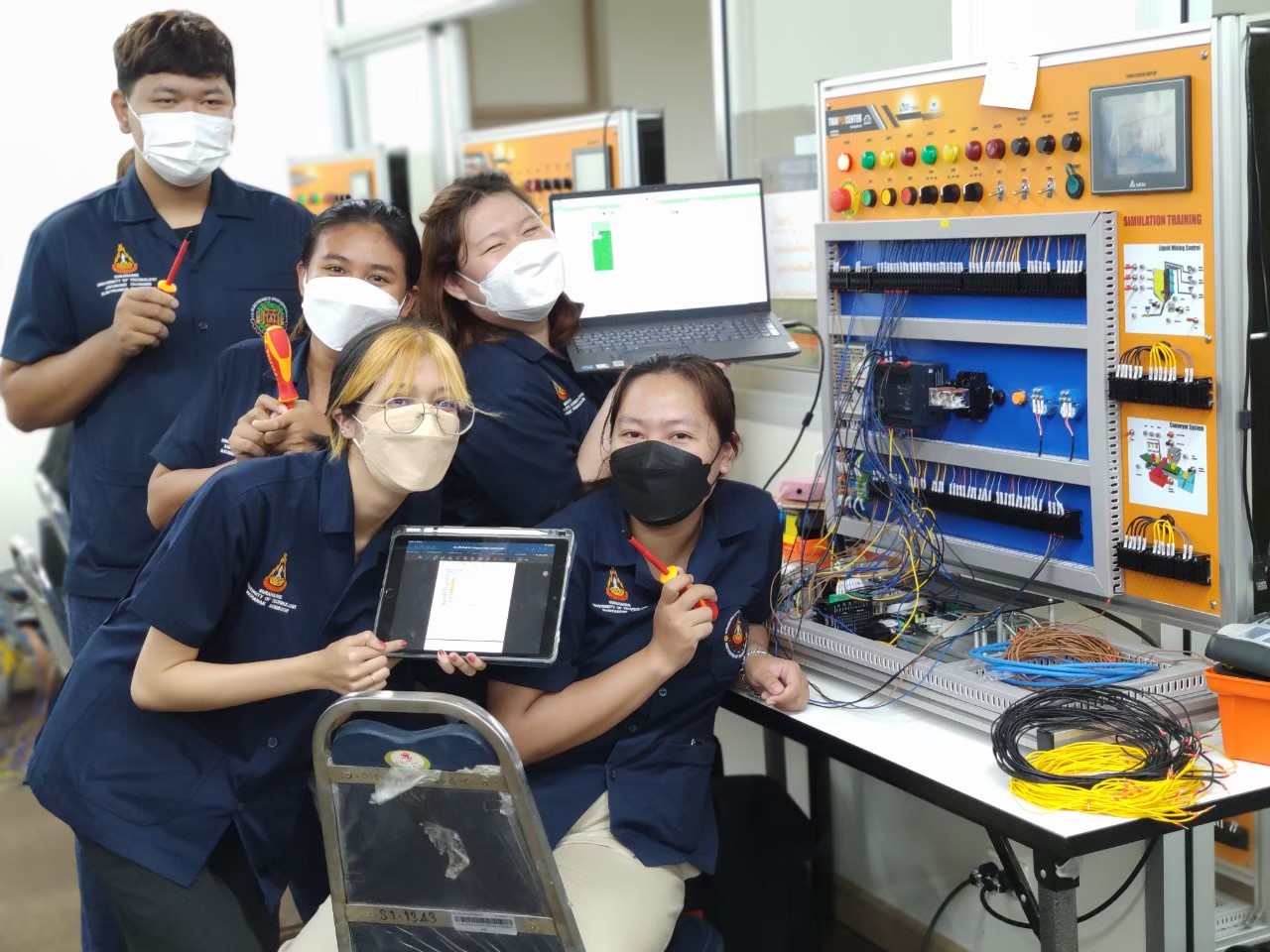
CEFR preparation with an emphasis on listening and grammar at A1-A2 levels.
สถิติสำหรับวิศวกร การพิจารณาแจกแจงข้อมูล การประเมินค่าทางสถิติเบื้องต้น กระบวนการ ตัดสินใจโดยอาศัยสถิติ การทดสอบสมมุติฐาน
Statistics for Engineers; distribution of information; Introduction to statistical evaluation; statistical decision-making; hypothesis test


วิชาบังคับก่อน : ไม่มี
คำอธิบายรายวิชา
ศึกษานิยามความร้อน ความจุความร้อน และงาน หน่วยวัดของพลังงาน คุณสมบัติทางเทอร์โมไดนามิกส์ตารางและแผนภูมิของคุณสมบัติ กฎอนุรักษ์พลังงาน หลักการเปลี่ยนรูปพลังงาน พื้นฐานการถ่ายเทความร้อน
ผลสัมฤทธิ์การเรียนรู้
-
อธิบายหลักการเบื้องต้นทางเทอร์โมไดนามิกส์ การเปลี่ยนรูปของพลังงาน
-
ระบุคุณสมบัติของสารบริสุทธิ์ที่สภาวะต่าง ๆ โดยใช้ตารางสมบัติของสาร
-
คำนวณพลังงานในระบบปิดและระบบเปิดบนพื้นฐานกฎอนุรักษ์พลังงาน

วิชาบังคับก่อน : ENG51 0204
สถิตยศาสตร์ของไหล ศึกษาคุณสมบัติของของไหล ลักษณะการไหล สมการควบคุมการไหลในท่อ ความดันสูญเสียใน ระบบท่อและอุปกรณ์ปั๊ม เส้นโค้งสมรรถนะของปั๊ม และการเลือกปั๊ม
ผลลัพธ์การเรียนรู้ที่คาดหวังระดับรายวิชา
- คำนวณการสูญเสียในท่อและอุปกรณ์ที่มีการไหลของของไหล การกำหนดขนาดท่อ การ ประเมินความต้องการใช้น้ำในอาคารเพื่อเลือกปั๊ม และการกำหนดขนาดมอเตอร์
- อธิบายและเขียนเส้นโค้งสมรรถนะของปั๊ม (Pump Performance Curve)
ประยุกต์ใช้โปรแกรมช่วยในการจำลองและวิเคราะห์ปัญหาทางวิศวกรรมที่เกี่ยวกับการไหล
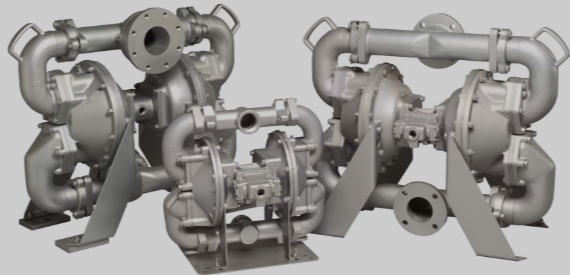


- ENG51 1701 AI Technology
- ENG51 1702 Computer Vision Technology
- ENG51 1703 Machine Learning
- ENG51 1704 Deep learning
- ENG51 1705 AI Project

-
Introduction to Numerical Computation & Basic Python Programming
-
Engineering problem solving using analytical and numerical methods considerations on numerical errors
-
mathematical modelling, series expansion, approximation functions, Roots of single- and multiple-variable functions, root of polynomials
-
Linear and nonlinear regressions, interpolation, and extrapolation, Fourier analysis
-
Direct methods and iterative methods for solving linear and non-linear systems of equations
-
Eigenvalue problems, spectral decomposition, singular value decomposition
-
Numerical differentiation and integration, boundary-value problems, solving ODE: Euler's method, Runge-Kutta method, shooting methods, relaxation methods, finite difference method, finite element method,
-
Introduction to PDE
ENG58 1401 เทอร์โมไดนามิกส์วิศวกรรม (Thermodynamic Engineering) 8 หน่วยกิต 2(24-0)
วิชาบังคับก่อน :ไม่มี
คำอธิบายรายวิชา: หลักการถ่ายเทความร้อนเบื้องต้น กลไกการถ่ายเทความร้อน การนำความร้อน การพาความร้อน การแผ่รังสีความร้อน การประยุกต์ใช้งานด้านการถ่ายเทความร้อน อุปกรณ์แลกเปลี ่ยนความร้อนและการเพิ่ม อัตราการถ่ายเทความร้อน การถ่ายเทความร้อนด้วยการเดือดและการควบแน่น ระบบปรับอากาศและวัฏจักรการ ทำความเย็น
ผลลัพธ์การเรียนรู้ที่คาดหวังระดับรายวิชา
- มีความรู ้และอธิบายพื ้นฐานเกี ่ยวกับหลักการเบื ้องต้น การถ่ายเทความร้อน และวัฏจักรทำ ความเย็น
- สามารถคำนวณและวิเคราะห์การถ่ายเทความร้อนเบื ้องต้น และสามารถเลือกใช้อุปกรณ์ แลกเปลี่ยนความร้อนได้
- สามารถคำนวณและวิเคราะห์วัฏจักรทำความเย็นแบบอัดไอ และเข้าใจถึงหลักการออกแบบ ระบบปรับอากาศได้


เพื่อให้นักศึกษาเข้าใจเกี่ยวกับกระบวนการทำโครงงานและระเบียบวิธีวิจัย สามารถประยุกต์ใช้เครื่องมือต่างๆด้านการวิจัยตั้งแต่การหาข้อมูล เก็บข้อมูล วิเคราะห์ข้อมูล และสรุปผล จนสามารถออกแบบโครงงานวิจัยของตนเองได้
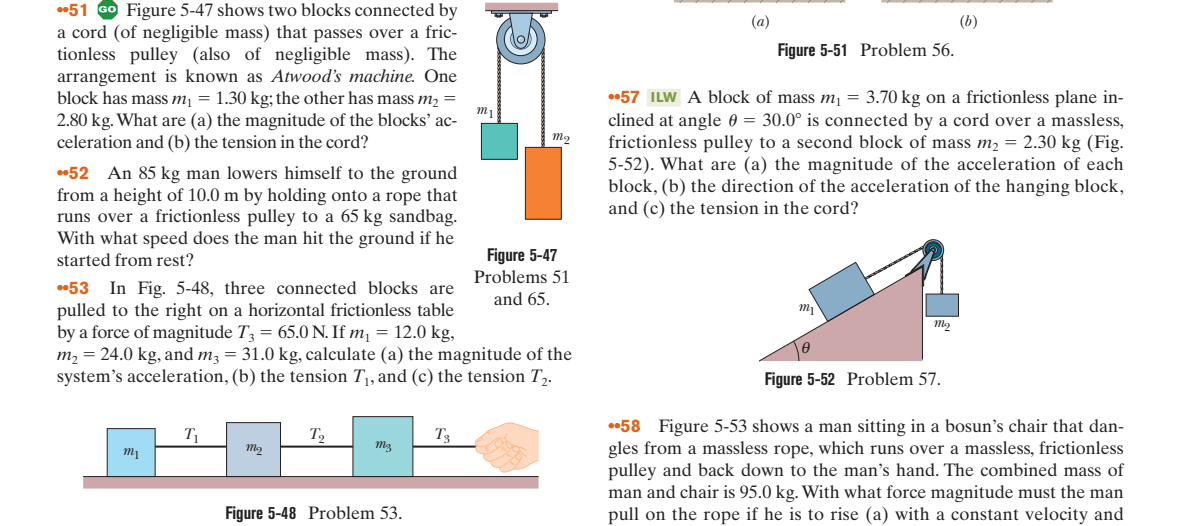
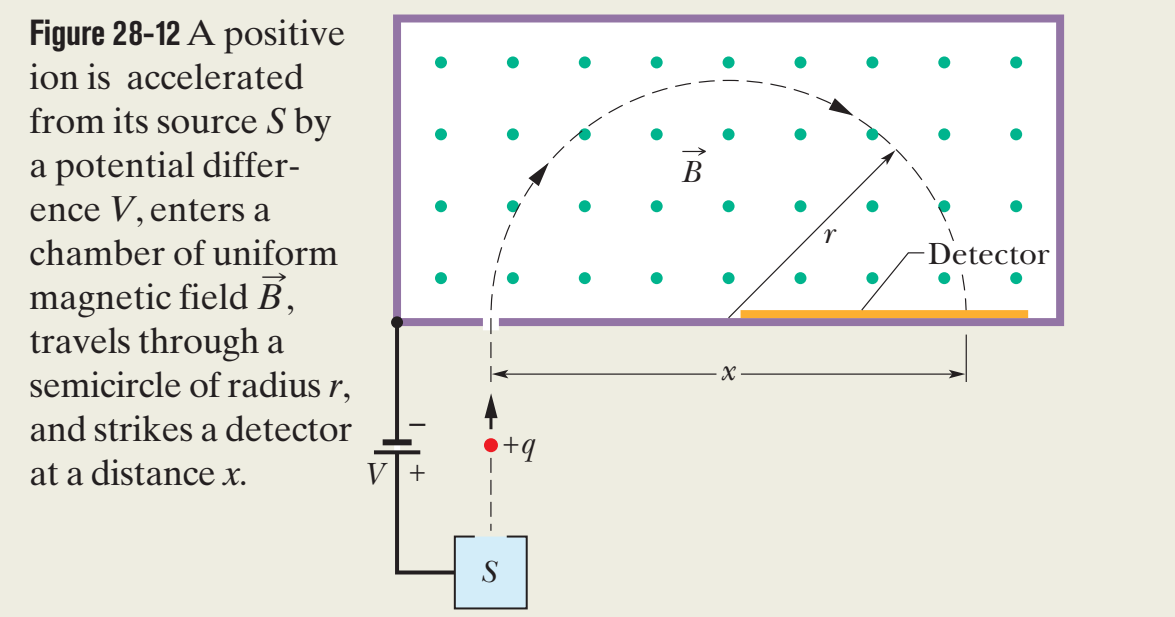
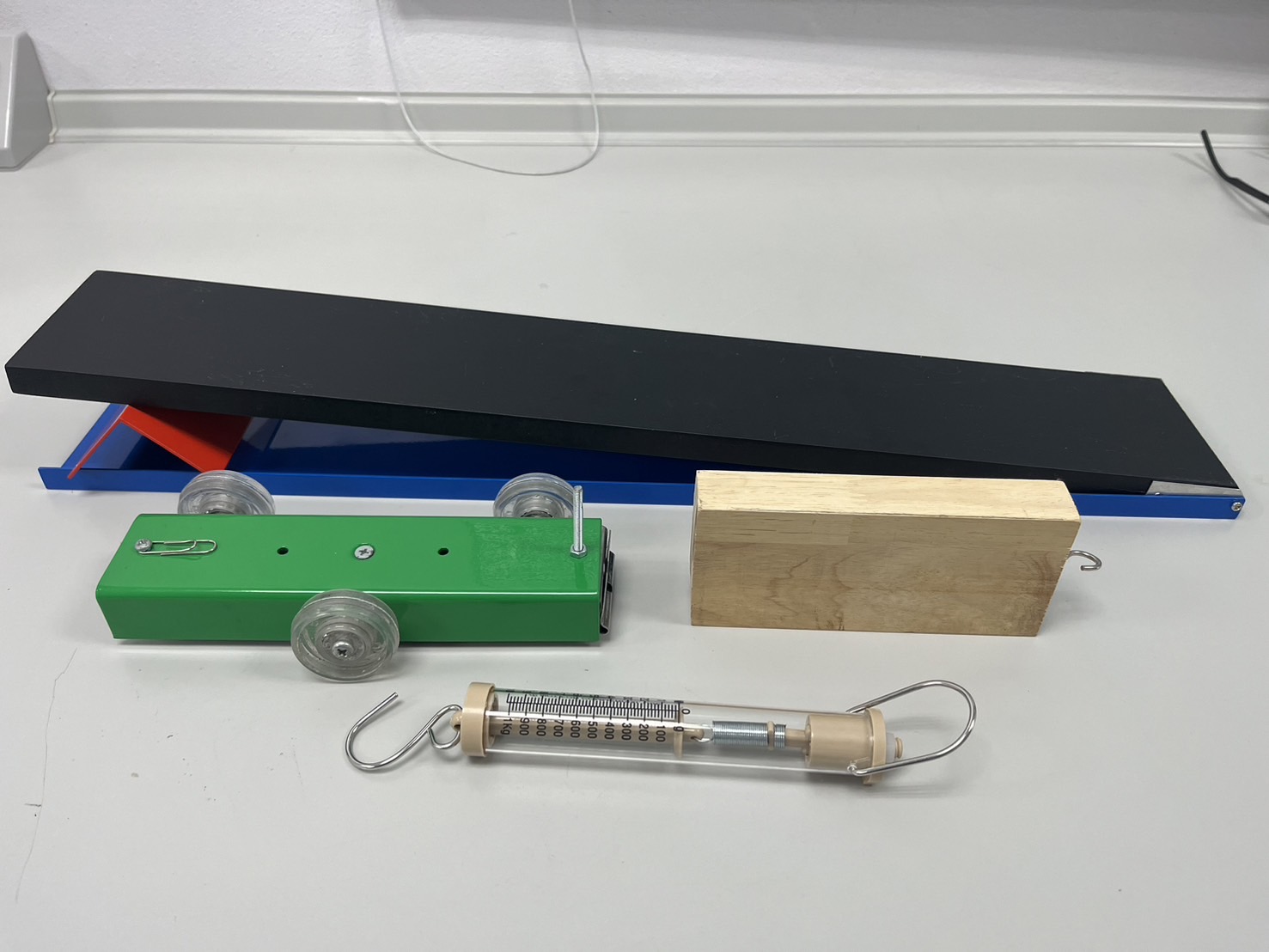

ENG63 2051 การเขียนแบบวิศวกรรมพื้นฐาน (Basic Engineering Graphics) 3(3-0-6)
วิชาบังคับก่อน : ไม่มี ศึกษาพื้นฐานการเขียนแบบ การเขียนตัวอักษร วิธีการฉายภาพ การเขียนแบบภาพฉาย การ กำหนดขนาด ค่าพิกัด ความเผื่อ การเขียนแบบภาพตัดต่าง ๆ การสเก็ตภาพ การเขียนแบบภาพประกอบและ ภาพแยกชิ้น การเขียนแบบร่างด้วยมือเปล่า
ผลลัพธ์การเรียนรู้ที่คาดหวังระดับรายวิชา
- เขียนแบบเรขาบรรยายและวิวช่วย ภาพคลี่ รอยเชื่อม การยึดต่อด้วยสลักเกลียว
- ใช้คอมพิวเตอร์เขียนแบบงานระบบไฟฟ้า ระบบงานโครงสร้าง
- ใช้คอมพิวเตอร์เขียนแบบรายละเอียดของชิ้นงาน แบบงานภาพประกอบ
ENG64 2001 ENGLISH FOR ENGINEER I ภาคการศึกษา 3/2567
พัฒนาทักษะทางภาษาอังกฤษแบบบูรณาการด้านวิศวกรรมโดยเน้นทักษะการฟังและการอ่าน พัฒนาพฤติกรรมและกลยุทธ์การเรียนภาษา ส่งเสริมการเรียนรู้ภาษาด้วยตนเองโดยใช้ประโยชน์จากแหล่งทรัพยากรที่หลากหลาย
ENGINEERING MATERIALS II (1/2025)
INTERNATIONAL PROGRAM
Associate Prof. Dr. Soodkhet Potpaphai
Dr. Laksamon Raksaksri
Course Outline
Chain structure of polymer molecules, configurations and conformation of polymer chain, molecular weight and molecular size, amorphous state and crystalline state of solid polymers, models of chain conformation in amorphous state and crystalline state, crystalline morphology, thermal transitions, crystallization and kinetics of crystallization, thermal transitions, thermodynamics of fusion, solution process, thermodynamics of mixing and phase separation, viscoelasticity, time-temperature superposition, mechanical behavior, failure behavior, thermal properties, electrical properties, and optical properties
Course Responsibility to Program Learning Outcome
PLO1: An ability to apply knowledge of mathematics, science, engineering fundamentals for petrochemical and polymer engineering procedures or processes.
PLO2: An ability to analyze petrochemical and polymer engineering problems: Identify, formulate and research literature reaching the solution for complex engineering problems.
PLO8: An ability to understand and consider the impact of professional petrochemical and polymer engineering work to economics society environmental and sustainability
PLO11: Recognize the need for, and have ability to engage in life-long learning
|
CLO1:Be able to: classify and explain basic chain structure conformation, configuration and stereochemistry of polymer chains |
|
CLO2: Be able to interrelate structure to the properties of polymer |
|
CLO3: Be able to explain influence of factors/parameters on properties of polymers |
|
CLO4: Be able to use equation for predicting thermal transitions and solvation phenomena |
|
CLO5: Be able to demonstrate information on environmental and societal impact from source/resource consumption for polymeric material production to end use product |
|
CLO6: Be able to search relevant information from open source. |
Practice to lettering, line and plane, geometric applications. Reading and drawing on orthographic projection, fundamental of dimensioning and tolerance, section view, standards and symbols. Practice to sketch by free-hand.


Prerequisite : 105101 Physics I
Basic concepts. Thermodynamic properties, temperature, work and heat. First law. Second law, irreversibilities and entropy. Availability. Tables and charts of properties. Analyses of thermodynamic processes and cycles. Vapor and gas power cycles.
Learning outcomes
This course provides basic concepts of Thermodynamics. Student will be able to describe the basic concepts of Thermodynamics. Student will be able to determine properties of pure substances at different states from property tables. Student will be able to apply the first law of thermodynamics to analyze energy conversion in closed and open systems. Student will be able to apply the second law of thermodynamics and the Carnot cycle to evaluate the thermal efficiency and coefficients of performance for heat engines, refrigerators, and heat pumps. Student will be able to calculate the entropy changes that takes place during processes.

ENG85 2110 Mechanics of Materials I 3(3-0-6)
Prerequisite: ENG85 2030
Engineering Statics Forces and stresses; stress-strain relations; stresses in beams; shear diagram and moment diagram; deflection of beams; buckling of columns; Mohr’s circle and combined stresses; failure criteria.
Course Learning Outcomes (CLOs)
- Define solution procedures and methods by applying knowledge of mathematics, science and fundamental engineering in analysis and design of structures and structural members in Mechanics of Materials.
- Find appropriate problem solutions within reasonable constraints by applying the concept of free-body diagram, equations of equilibrium and mathematics in Mechanics of Materials problems.


การควบคมระบบกาซชวภาพจากมูลสุกร
Research Seminar
Research Seminar introduces you to the process of academic research and allows you to open your mind to problem-solving strategies based upon formal inquiry and the detailed research of others. It requires the synthesis of the techniques of critical thinking, research, writing, and documentation. As part of the development of the key deliverable – a research proposal detailing conceptual frameworks and methodologies that are imagined but not carried out – you will create a question that is of ultimate importance to you. You will conduct research into the literature of others who have considered the same questions. You will be creative in developing a research design that will address this question and provide more knowledge to this field. The activities undertaken in this course are key to your development as a college-educated individual. Ultimately, you will engage in problem-solving strategies that can make a difference based upon systematic methods of inquiry.
This course aims at all essential language skills; listening, speaking, reading, and writing. The learners will expose the language through various learning materials and activities in order to acknowledge and understand the diversity of cultures, customs, traditions, thinking, and society of the world community. In addition, they will learn how to accurately read aloud texts, news, announcements, advertisements, poems and skits by observing the principles of reading. Moreover, class activities will encourage the learners to be able to converse and write to exchange data about themselves, various matters around them, experiences, situations, news or incidents, issues of interest and communicate them continuously and appropriately. The learns will learn how to choose and use requests, clarifications, explanations and give instructions; speak and write to show needs; offer and provide assistance; speak and write appropriately to ask for and give data, describe, explain, and compare. At the end of the course, the students are expected to be able to express their opinions about matters/issues/news/incidents, which they have heard and read by using register of language, tone of voice, gesture and manners appropriate to the level of the persons, time, occasions and places. Finally, the learners will learn how to conduct research/search, analyze, and conclude the data related to the learning areas from various sources.
This course aims at all essential language skills; listening, speaking, reading, and writing. The learners will expose the language through various learning materials and activities in order to acknowledge and understand the diversity of cultures, customs, traditions, thinking, and society of the world community. In addition, they will learn how to accurately read aloud texts, news, announcements, advertisements, poems and skits by observing the principles of reading. Moreover, class activities will encourage the learners to be able to converse and write to exchange data about themselves, various matters around them, experiences, situations, news or incidents, issues of interest and communicate them continuously and appropriately. The learns will learn how to choose and use requests, clarifications, explanations and give instructions; speak and write to show needs; offer and provide assistance; speak and write appropriately to ask for and give data, describe, explain, and compare. At the end of the course, the students are expected to be able to express their opinions about matters/issues/news/incidents, which they have heard and read by using register of language, tone of voice, gesture and manners appropriate to the level of the persons, time, occasions and places. Finally, the learners will learn how to conduct research/search, analyze, and conclude the data related to the learning areas from various sources.


Backward journeys of food in the market. The course covers how food arrives at end users from the beginning, starting at farms and going backward in the sequence, exploring how science and technology are involved. This includes, for example, how food is stored on shelves, the management of food on shelves, delivery of food products from factories, food production on an industrial scale, preparation and preservation of raw materials for food production, delivery of raw materials from farms to factories, animal and crop production, harvesting processes, and obtaining animal and crop breeds. The emphasis is also on how food can be obtained from multiple production approaches such as safe agriculture and organic agriculture. The course highlights the fact that science and technology are involved in all processes and management. Furthermore, it emphasizes leading students to identify opportunities and risks in food supply chains and food businesses. It covers the evolution of technology and innovation involved, the effects of global changes on food businesses, and relevant regulations. This course serves as a brief introduction to the 4-year program.
Course Learning Outcomes (CLOs):
Upon successful completion of this course, students must be able to:
- Understand an overview of the food production chain and its significance in Food and Agriculture Business.
- Explain the linkages of science and technology in the food production chain and Agribusiness.
- Identify the opportunities and risks in the food production chain within the realm of food and agriculture.

This course will focus on three areas as follow: 1) Food preservation using low heat (mild process) such as chilling or freezing, the reduction of water activity, drying, concentration and hurdle technology. 2)Food preservation using heat treatment such as pasteurization, cooking and blanching. 3) Food prevention using packaging.
Course Learning outcomes (CLOs)
Having successfully completed this course, student must be able to :
1. The students will be able to know and understand about technology in food preservation.
2. The students will be able to selected appropriate technology for food preservation.
IAT31 1206 Art of storytelling 3(2-3-4)
Prerequisite: None
This course will develop students to understand communication skills in various ways, focusing on learning the principles and procedures of communication. In order for students to be able to effectively convey the content or message they need in a complete process both online and on ground. Not only develop students to be media creators but also provides an understanding of the dimensions of design, creativity, and distribution by the application of information technology and computer.
Course Learning outcomes (CLOs)
Having successfully completed this course, student must be able to:
1. Understand the principles and procedures of communication.
2. Able to lecture, analyze, critique case.
3. Able to use information technology and computer for searching information and presentation.

This course presents communication skills and principles with a strong focus on message awareness. Learners will understand the views of the audience through various conditions and factors such as the process of understanding the media, understanding the meta model, as well as the assessment of the awareness situation to create the media and presentation to achieve their objectives in different situations by the application of information technology and computer. Students will also learn deep communication skills in various dimensions.
Course Learning outcomes (CLOs)
Having successfully completed this course, student must be able to :
1. Understand the principles with a strong focus on message awareness.
2. Understand the views of the audience through various conditions and factors.
3. Able to use information technology and computer for searching information and presentation.

The system of crop production and agricultural standard, plant growth and development, plant varieties and plant breeding, management of soil, water and plant nutrients, plant pest controls, postharvest managements and field trip at private sector.

หลักการและแนวปฏิบัติในการผลิตพืช พันธุกรรมพืช การเจริญเติบโตและการพัฒนาของพืช กระบวนการทางสรีรวิทยาของพืช การปรับปรุงพันธุ์พืช การขยายพันธุ์พืช เทคโนโลยีเมล็ดพันธุ์ เทคโนโลยีหลังการเก็บเกี่ยว และการผลิตพืชสมัยใหม่โดยใช้เทคโนโลยีและนวัตกรรม
Principles and practices in plant production, plant genetics, plant growth and development. plant physiological processes plant breeding plant propagation seed technology post-harvest technology and modern crop production using technology and innovation.
หลักการและแนวปฏิบัติในการจัดการปัจจัยด้านสิ่งแวดล้อมที่มีอิทธิพลต่อการเจริญเติบโต และการให้ผลผลิตของพืช การจัดการดิน น้ำ และธาตุอาหารพืช การจัดการศัตรูพืช ได้แก่ โรคพืช แมลงศัตรูพืช และวัชพืช ผลเสียและผลกระทบของศัตรูพืชต่อพืชปลูก เทคโนโลยีและนวัตกรรมที่เกี่ยวข้องกับการจัดการศัตรูพืช
Principles and practical manners of environmental factors on crop growth and productivity. Soil, water, and nutrient management. Plant pest management, including plant disease, insect pest and weed management. The negative effects and impacts of plant pests on crops. Innovation and technology on plant pest controls.
Practices in plant production, plant genetic and breeding, plant growth and development, plant physiological processes, plant propagation, management of soil water and plant nutrition, seed technology, pest management, and postharvest management as well as applying modern technology and innovation for crop production.

องค์ประกอบของพืชและกระบวนการทางสรีรวิทยาในการเจริญเติบโตและพัฒนาตั้งแต่การงอกของเมล็ด การเจริญเติบโตทางด้านลำต้นและใบ ไปจนถึงการให้ผลผลิต การสุกแก่และการเสื่อมสภาพของผลผลิต
Plant structures and physiological processes involving plant growth and development from seed germination to vegetative growth, reproductive growth, maturity and senescence.

ความรู้เรื่องพืชต้านทานต่อแมลงศัตรูพืช สารเคมีในพืชที่เกี่ยวข้องกับปฏิกิริยาต่อแมลง ส่วนที่สร้างและบริเวณที่พบ และกระบวนการสังเคราะห์สาร หลักการค้นหาพืชอาศัยของแมลง ปฏิกิริยาและกลไกของความต้านทานของพืชต่อการทำลายของแมลง พฤติกรรมของแมลงต่อความต้านทาน การปรับปรุงพันธุ์พืชต้านทานต่อแมลงและเทคโนโลยีทางพันธุวิศวกรรม การใช้พืชต้านทานแมลงในการบริหารศัตรูพืช

การสร้างเมล็ด องค์ประกอบทางเคมีของเมล็ดพันธุ์ การพัฒนาและการสุกแก่ของเมล็ดพันธุ์ กระบวนการงอก รูปแบบการงอก ปัจจัยที่ต้องการในการงอกของเมล็ดพันธุ์ การเคลื่อนย้ายอาหารสะสมในเมล็ดขณะงอก การเกิดการพักตัวของเมล็ดพันธุ์ระหว่างการพัฒนาของเมล็ด กลไกการพักตัว ประเภทของการพักตัวและวิธีการแก้การพักตัวของเมล็ดพันธุ์ กระบวนการเสื่อมคุณภาพของเมล็ดพันธุ์ ความแข็งแรงและความมีชีวิตของเมล็ดพันธุ์ ความสามารถในการเก็บรักษา และการส่งเสริมคุณภาพเมล็ด
Seed structure, chemical composition of seed, seed development and maturity; germination processes, patterns of seed germination, factors for requirements germinating, food reserve mobilization, transportation, dormancy during seed development, categories of seed dormancy, seed dormancy mechanisms, and techniques for releasing seed dormancy, seed deterioration processes, seed vigor and its viability, seed storability, and seed enhancement.
วิเคราะห์การผลิตเมล็ดพันธุ์เชิงธุรกิจจากผู้บรรยาย การศึกษาข้อมูลและดูงานในเรื่องโครงการ เมล็ดพันธุ์ของประเทศ อุตสาหกรรมเมล็ดพันธุ์ระดับประเทศและนานาชาติ โดยครอบคลุมเนื้อหาด้านการวางแผนการ ผลิตเมล็ดพันธุ์ การจัดการผลิต ระบบการประกันคุณภาพ และแนวโน้มการตลาดของเมล็ดพันธุ์ได้
การศึกษาเฉพาะด้านเกี่ยวกับเทคโนโลยีเมล็ดพันธุ์สมัยใหม่ หัวข้อเปลี่ยนแปลงในแต่ละภาคการศึกษา ตามความเหมาะสม ความทันสมัย และความสนใจของผู้เรียน Individual study in modern seed technology, topics vary from trimester to trimester according to suitability modernity and the learners interest.

IAT32 6801 สัมมนามหาบัณฑิต 1 1(1-0-2)
วิชาบังคับก่อน : ไม่มี
การนำเสนอและอภิปรายเชิงปริทัศน์ ทางด้านพืชศาสตร์ที่เกี่ยวข้องกับวิทยานิพนธ์ระดับมหาบัณฑิต การคัดเลือกข้อมูลจากบทความ รายงานการวิจัย และแหล่งข้อมูลอื่น ๆ การคิดวิเคราะห์ และสรุปประเด็นสำคัญ
การจัดเตรียมสื่อประกอบการสัมมนาและบทคัดย่อ
ผลลัพธ์การเรียนรู้ที่คาดหวังระดับรายวิชา (CLOs)
นักศึกษาที่ผ่านรายวิชานี้มีความสามารถ ดังนี้
1.สืบค้นข้อมูลทางด้านพืชศาสตร์และศาสตร์อื่น ๆ ที่เกี่ยวข้อง และคัดเลือกเพื่อนำมานำเสนอในการสัมมนา รวมถึงใช้เพื่อการอภิปรายได้
2.วิเคราะห์และแปลความหมายทางสถิติ รวมถึงวิเคราะห์และสังเคราะห์องค์ความรู้ทางด้านพืชศาสตร์และศาสตร์อื่น ๆ ที่เกี่ยวข้อง เพื่อการสัมมนาและการอภิปรายได้
3.ใช้โปรแกรมประยุกต์ที่เหมาะสมในการจัดทำสื่อประกอบการสัมมนาและจัดทำบทคัดย่อใช้ รวมทั้งสามารถใช้ภาษาอังกฤษในการสื่อสารทั้งการเขียนบทคัดย่อ การสัมมนา และอภิปรายเนื้อหาที่เกี่ยวข้องได้
4.มีความรับผิดชอบ ตรงต่อเวลา และมีจรรยาบรรณทางวิชาการ
IAT32 6801 M.Sc. Seminar I 1(1-0-2)
Prerequisite : None
Presentation and discussion on reviewed articles on crop science subjects related to M.Sc. thesis topic. Selection, analysis, and summarization
of materials from articles, research reports, and other sources and create the presentation aids and abstract.
Course Learning Outcomes (CLOs)
1.Having successfully completed the course, the student must be able to:
2.Acquire the information on crop science and related fields and then select this information for a seminar and discussion.
3.Correctly interpret statistical data, as well as assess and synthesize information on crop science and related fields for a seminar and discussion.
4.Create a presentation and abstract using the appropriate software, and use English to prepare the abstract, deliver the presentation, and engage in related
topical discussion. Demonstrate responsibility, punctuality, and academic ethics.

IAT34 5221 Molecular Biology (term 2/2567)
Mandatory Assignment:
Before class: *Read assigned pages from Lehninger Principles of Biochemistry, 4th Edition
Students should set aside time to read the assigned pages from the textbook and find more information about the topics) and do the Quiz (homework). The quiz will be given in e-learning at least 4 days before the due date. Please submit the quiz before 10 am
Tuesday
10.00-12.00 Ask questions (submit the home work)
Quiz/Answer the quiz (by key staff)
Thursday
9.30 - 9.50 Ask questions
10.00-11.00 Student presentation (assigned topic) 2 students/ week
11.00-12.00 Discussion (all)
Course Learning Outcome (CLO)
1. To understand the principle of biological processes at the molecular level.
2. To apply the basic knowledge of molecular biology for use in research processes related
3. To enhance student creativity and know how to apply knowledge to solve their problems in research processes related to molecular biological processes.
ศึกษาและทำความเข้าใจเกี่ยวกับนาโนเทคโนโลยี ประเภทของอนุภาคนาโน การประยุกต์ใช้อนุภาคนาโนในภาคอุตสาหกรรม ผลกระทบต่อสุขภาพและการศึกษาด้านพิษวิทยาของอนุภาคนาโน เทคนิคในการตรวจวัดอนุภาคนาโน ค่าขีดจำกัดความเป็นอันตรายของอนุภาคนาโน การคัดกรองและการเฝ้าระวังทางการแพทย์ มาตรการจัดการเมื่ออนุภาคนาโนเกิดการรั่วไหล การชี้บ่งอันตรายและประเมินความเสี่ยง และการป้องกันควบคุมอนุภาคนาโน
Study of nanotechnology, type of nanoparticles and nanomaterials, nanoparticles and application in industries, health effect of nanoparticles and toxicological study, analytical and measurement techniques for nanoparticles, occupational exposure limit for nanomaterials, medical screening and surveillance, measures of nanoparticles release, hazard identification and risk assessment of nanoparticles and controlling of nanoparticles exposure
Subject : IST20 2504 Design Thinking เทอม 2/2022
Creative thinking; questioning and problem-solving; brainstorming
and society need-based service design; prototyping; appropriate
application of innovation; lesson-learned
พัฒนาความสามารถของนักศึกษาในการใช้ภาษาอังกฤษเพื่อการสื่อสารในสังคมได้อย่างมีประสิทธิภาพ บูรณาการทักษะภาษาอังกฤษโดยให้ความสำคัญกับทักษะการฟังและการพูด พัฒนากลยุทธ์การสื่อสารและกลยุทธ์การเรียนภาษา ส่งเสริมการเรียนรู้ภาษาอังกฤษด้วยตนเองโดยใช้แหล่งทรัพยากรที่หลากหลาย
Objectives:
1. To develop student’s ability for effective and natural communication in both social and academic settings
2. To promote integrated skills with primary emphasis on listening and speaking skills
3. To improve communication management and language learning strategies to become effective communicators
4. To promote active learning in students through topics relevant to their
interests and experiences
5. To introduce autonomous learning using various up-to-date and useful
resources
คำอธิบายรายวิชา
พัฒนาความสามารถของนักศึกษาในระดับที่สูงขึ้น เพื่อการสื่อสารอย่างมีประสิทธิภาพทั้งในสถานการณ์ทางสังคมและวิชาการ บูรณาการทักษะโดยเฉพาะอย่างยิ่งทักษะการฟังและการพูดเพื่อจุดประสงค์เชิงวิชาการ พัฒนากลยุทธ์การสื่อสารและกลยุทธ์การเรียนภาษา สร้างเสริมการเรียนรู้ด้วยตนเอง โดยใช้เนื้อหากึ่งวิชาการจากแหล่งทรัพยากรที่หลากหลาย
Further developing students’ abilities for effective communication in social and academic settings; focusing on integrated skills, particularly listening and speaking for academic purposes; further developing communication and language learning strategies; and reinforcing autonomous learning using various semi-academic materials from a variety of resources
English for Careers
Developing English skills needed for employment preparation, covering such topics as job search, resumes, cover letters, and job interviews; effective communication skills in the workplace; skills needed in preparing for the Test of English for International Communication (TOEIC)


This course focuses on preparing the students for an effective use of English in the workplace.
Developing English skills needed for employment preparation, covering such topics as job search, resumes, cover letters, and job interviews; effective communication skills in the workplace; skills needed in preparing for the Test of English for International Communication (TOEIC).
Developing English skills needed for employment preparation, covering such topics as job search, resumes, cover letters, and job interviews; effective communication skills in the workplace; skills needed in preparing for the Test of English for International Communication (TOEIC).
Developing English skills needed for employment preparation, covering such topics as job search, resumes, cover letters, and job interviews; effective communication skills in the workplace; skills needed in preparing for the Test of English for International Communication (TOEIC).
Developing English skills needed for employment preparation, covering such topics as job
search, resumes, cover letters, and job interviews; effective communication skills in the
workplace; skills needed in preparing for the Test of English for International
Communication (TOEIC)
Job Preparation and Related Topics Comprehension
This course aims to develop English skills needed for employment preparation, covering such topics as job search, resumes, and job interviews; effective communication skills in the workplace; skills needed in preparing for the Test of English for International Communication (TOEIC).”

Developing English skills needed for employment preparation, covering such topics as job search, resumes, cover letters, and job interviews; effective communication skills in the workplace; skills needed in preparing for the Test of English for International Communication (TOEIC)
This course aims to develop English skills needed for employment preparation, covering such topics as job search, resumes, and job interviews; effective communication skills in the workplace; skills needed in preparing for the Test of English for International Communication (TOEIC).”

IST30 1105 ENGLISH FOR CAREERS Group 13
ภาษาอังกฤษเพื่อการทำงาน กลุ่ม 13
This course aims to develop

IST30 1105 ENGLISH FOR CAREERS Group 16
ภาษาอังกฤษเพื่อการทำงาน กลุ่ม 16
English for Careers
IST30 1105 English for Careers Group 20 - 01/2022 (Wannakorn)
This course aims to develop

ST30 1105 English for Careers_Group7 - 01/2022 (Wannakorn)

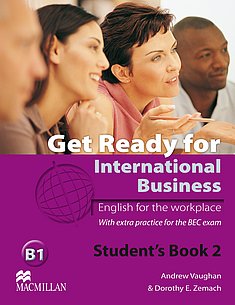
This course covers presentation techniques and the structure of a presentation. Students will learn the vocabulary and expressions needed when giving a presentation in English. It also addresses other important issues such as body language, visuals, and interaction with the audience as well as question handling skills in a professional manner.
Development of skills in leading, participating and arranging business meetings; audience analysis, including cultural factors; final proposal which incorporates reasoning from multiple viewpoints.
Development of skills in leading, participating and arranging business meetings; audience analysis, including cultural factors; final proposal which incorporates reasoning from multiple viewpoints.
Students will be able to
- explain the major characteristics of qualitative inquiry.
- identify advantages and disadvantages of data collection instruments.
- select appropriate data collection instruments for a study
- conduct a qualitative data analysis
- present qualitative data in a graphic manner
Concept and principles of hotel business operations including rooms and housekeeping, food and beverage preparation and service, spa and wellness service and other services, service quality and standard, current issues in operations and customer service, trends and innovations, the use of technology in service and operations in the hotel business
แนวคิดและหลักการดำเนินงานของธุรกิจโรงแรมในแผนกต่าง ๆ ได้แก่ การบริการห้องพักและแม่บ้าน การจัดเตรียมและการบริการอาหารและเครื่องดื่ม การบริการสปาและสุขภาพ และการบริการอื่น ๆ คุณภาพและมาตรฐานการให้บริการ ประเด็นสำคัญในปัจจุบันด้านการดำเนินงานและการบริการลูกค้า แนวโน้มและนวัตกรรม และการใช้เทคโนโลยีในการดำเนินงานในธุรกิจโรงแรม
แนวคิดและหลักการของแผนกแม่บ้าน โครงสร้าง ตำแหน่งและความรับผิดชอบ มาตรฐานห้องพัก การทำความสะอาดและการเตรียมห้อง สิ่งอำนวยความสะดวกในห้องพัก สินค้าคงคลัง
และการบำรุงรักษาอุปกรณ์ การบริหารงานพนักงาน การจัดการห้องซักรีด การควบคุมการปฏิบัติงานด้านแม่บ้าน ความปลอดภัย การรักษาความปลอดภัยและโรคติดเชื้อ การอนุรักษ์พลังงาน ประเด็นด้านสิ่งแวดล้อมและ ความยั่งยืน การสื่อสารระหว่างแผนก แนวโน้มและนวัตกรรม การใช้เทคโนโลยี และการดำเนินงานของแม่บ้าน
Introduction to bar business operations, introduction to purchasing and storing process, type of beverages, bar composition arrangement, service of alcoholic and nonalcoholic beverages including wine, spirits, and beer, products creation, sales and marketing, laws and manage responsible service of alcoholic beverages, manage intoxicated person, and basic cocktails and drinks mixing
ความรู้เบื้องต้นเกี่ยวกับการปฏิบัติในธุรกิจบาร์ ความรู้เบื้องต้นเกี่ยวกับกระบวนการการจัดซื้อและการเก็บเครื่องดื่ม ประเภทของเครื่องดื่ม การจัดองค์ประกอบบาร์ การให้บริการเครื่องดื่มแอลกอฮอล์ และเครื่องดื่มไม่มีแอลกอฮอล์ เช่น ไวน์ สปิริต และเบียร์ การสร้างสรรค์ผลิตภัณฑ์ การขายและการตลาด กฎหมายและการควบคุมการให้บริการเครื่องดื่มแอลกอฮอล์ วิธีการดูแลลูกค้าที่ได้รับผลจากการดื่มเครื่องดื่มแอลกอฮอล์ และการผสมค็อกเทลและเครื่องดื่มพื้นฐาน
The essential skills for conducting air transport business, especially in the international context of aviation, different methods of communication skills, understanding of cross-cultural differences and explore different methods of communication, delivering on business objectives to meet the increased expectations of airline customers
ทักษะสำคัญในการปฏิบัติการ การให้บริการผู้โดยสารที่เดินทางโดยอากาศ กฎการเดินทางระหว่างประเทศ ทักษะการสื่อสารระหว่างเจ้าหน้าที่พนักงานและผู้โดยสารในรูปแบบต่าง ๆ การเข้าใจบริบท ความแตกต่างของวัฒนธรรม ในรูปแบบงานการสื่อสารที่แตกต่าง การตอบสนองความพึงพอใจและความคาดหวังต่อลูกค้าอย่างสูงสุด
The course aims the learners to understand the concept and the importance of service psychology and cross-cultural communication, relationship between service and psychology, psychological perspectives and their applications in the hospitality industry based on international standard
แนวคิด ความหมาย ความสำคัญ ของจิตวิทยาการบริการและการสื่อสารข้ามวัฒนธรรม ความสัมพันธ์ระหว่างบริการและจิตวิทยา มุมมองความคิดทางจิตวิทยาและการประยุกต์ใช้ในอุตสาหกรรมบริการตามมาตรฐานสากล พฤติกรรมนักท่องเที่ยว ประเภทและลักษณะของประชากรในประเทศต่าง ๆ การใช้จิตวิทยาในการบริการและการสื่อสาร ความแตกต่างทางวัฒนธรรม การจัดการความขัดแย้ง การจัดการกับข้อร้องเรียน มารยาททางสังคมและในสภาพแวดล้อมทางธุรกิจ

ปรัชญาการออกแบบ คุณสมบัติวัสดุ ทฤษฎีความเสียหาย การออกแบบชิ้นส่วนเครื่องกลอย่างง่าย หมุดย้ำ การวิเคราะห์รอยเชื่อม สกรูและอุปกรณ์การจับยึด คีย์และสลัก เพลา สปริง เฟือง สกรูส่งกำลัง อุปกรณ์ต่อเพลา รองลื่น เบรก คลัตช์ สายพาน โซ่ โครงงานการออกแบบ
หลักการของเทคโนโลยีการถ่ายภาพทางการแพทย์ โดยเน้นหลักการพื้นฐานและการประยุกต์ทางการแพทย์ อาทิ การถ่ายภาพด้วยอัลตราซาวนด์, เอกซเรย์คอมพิวเตอร์, กล้องจุลทรรศน์แบบใช้แสง, กล้องจุลทรรศน์แบบคอนโฟคอล, การถ่ายภาพตัดขวางด้วยแสง, การถ่ายภาพฟลูออเรสเซนต์ และการวิเคราะห์ระยะเวลาของการเรืองแสงในทางชีวการแพทย์
Concepts and principles of various basic optical components such as light sources, lenses, mirrors, prisms, beam splitter, fiber optics, polarizer, retarders, gratings, optical filters, beam steering devices, specification and selection guide of optical components, rays tracing techniques, the use of computer program for advanced optical systems design.
This course is assigned for comprehensive examination of Master degree. The students will have the examination online through elearning platform.
คำอธิบายรายวิชา (Course Description)
แนวคิดทฤษฎีเกี่ยวกับการดูแลสตรีและครอบครัว การให้คำปรึกษาระยะก่อนสมรส สุขภาพการเจริญพันธุ์ การวางแผนครอบครัว การคุมกำเนิด ภาวะมีบุตรยาก เทคโนโลยีการเจริญพันธุ์ การปฏิสนธิ การตั้งครรภ์ การเปลี่ยนแปลงทางกายวิภาค สรีรวิทยาและจิตสังคมในระยะตั้งครรภ์ การจัดกิจกรรมโรงเรียนพ่อแม่ การพยาบาลสตรีและครอบครัวในระยะตั้งครรภ์ที่มีภาวะปกติ ภาวะเสี่ยงและภาวะแทรกซ้อน การคัดกรองภาวะเสี่ยง การประเมินสุขภาพทารกในครรภ์ แนวทางการช่วยเหลือสตรีตั้งครรภ์และทารกในครรภ์ บทบาทผดุงครรภ์ในการดูแลสตรีตั้งครรภ์ การใช้ยาทางสูติศาสตร์อย่างสมเหตุผล
Concepts and theories of women and family care; premarital counselling; reproductive health; family planning; contraception; infertility; reproductive technology; fertilization; pregnancy; anatomical physiology and psychosocial changes during the antenatal period; antenatal classes, nursing care of women and family during the antenatal period with normal, risk and complications; risk screening; fetal health assessment; guidelines for helping pregnant women and newborn; and roles of midwives in caring for pregnant women; rational drug used in obstetrics.
การเปลี่ยนแปลงทางด้านสรีรวิทยาและจิตสังคมในระยะหลังคลอด การพยาบาลมารดาและทารก การเลี้ยงลูกด้วยนมแม่ในภาวะปกติ เสี่ยง หรือมีภาวะแทรกซ้อนระยะหลังคลอด บทบาทพยาบาลผดุงครรภ์ในระยะหลังคลอด การใช้ยาทางสูติศาสตร์อย่างสมเหตุสมผล
Physiology and psychosocial changes during the postpartum period; maternal and newborn nursing; breastfeeding in normal, risky, and complicated postpartum period; roles of midwives in caring for pregnant women; rational drugs used in obstetrics.
ทดสอบระบบการสอบออนไลน์ด้วย Safe Exam Browser
Test online exam via Safe Exam Browser
คำอธิบายรายวิชา
การเจริญเติบโตและพัฒนาการที่ปกติและผิดปกติของกะโหลกศีรษะและใบหน้า และอวัยวะอื่น ๆ ที่เกี่ยวข้อง โดยเฉพาะการเจริญของหน่อฟัน ลิ้น เพดานปาก กระดูกขากรรไกรบนและล่าง กายวิภาคของฟันน้ำนมและฟันถาวร ลำดับการขึ้นของฟัน พัฒนาการสบฟันที่ปกติและผิดปกติของฟันน้ำนมและฟันชุดผสม
Normal and abnormal development of skull and face, structures in oral cavity with emphasis on teeth, tongue, palate and jaw bones; morphology of deciduous and permanent teeth, including their chronology of eruption, normal occlusion and malocclusion.
903302 ทักษะทางคลินิกทันตกรรม (Clinical skill Development in Dentistry)
การเรียนรู้การเคลื่อนไหวของร่างกายที่เกี่ยวข้องกับงานคลินิกทันตกรรม หลักการทำงาน ด้วยการรับรู้การเคลื่อนไหวของกล้ามเนื้อและข้อต่อ และประยุกต์ในการปฏิบัติงานทันต กรรม หลักการปฏิบัติงานด้านทันตกรรมที่สอดคล้องกับหลักการยะศาสตร์ การกำหนดท่าทาง และตำแหน่งในการทำงานที่สมดุล การจัดสภาพแวดล้อม ในการทำงานที่ปลอดภัยและมี ประสิทธิภาพในการดูแลสุขภาพแก่ผู้ป่วย การใช้กระจกส่องปากอย่างมีประสิทธิภาพ ทักษะการใช้มือ ควบคู่ กับการมองเห็นและดุลยภาพบำบัดเพื่อการป้องกันและแก้ไขการบาดเจ็บของระบบ กล้ามเนื้อ และกระดูกของร่างกาย
Learning of psychomotor skills in related to dental clinical practice, proprioceptive derivation principle and its application in dental clinical practice, application of ergonomics in dentistry, identification of balanced working posture & position, setting safe & healthy working environment to deliver effective health care, effective use of mouth mirror, hand and eye coordination skill; practice in appropriate working posture & position setting up dental instrument, equipment and working environment, handling of mouth mirror and instrument for tooth preparation, cooperated practice between dentist and assistant including Mind Body (Equilibrium). Therapy for prevention and correction of musculoskeletal injuries.
DEN02 3003 ทักษะทางคลินิกทันตกรรม (Clinical skill Development in Dentistry)
การเรียนรู้การเคลื่อนไหวของร่างกายที่เกี่ยวข้องกับงานคลินิกทันตกรรม หลักการทำงาน ด้วยการรับรู้การเคลื่อนไหวของกล้ามเนื้อและข้อต่อ และประยุกต์สำหรับการปฏิบัติงานในทาง ทันตกรรม หลักการปฏิบัติงานด้านทันตกรรมที่สอดคล้องกับหลักการยะศาสตร์ การกำหนดท่าทาง และตำแหน่งในการทำงานที่สมดุล การจัดสภาพแวดล้อมในการทำงานที่ปลอดภัยและมี ประสิทธิภาพในการดูแลสุขภาพแก่ผู้ป่วย การใช้กระจกส่องปาก เครื่องดูดน้ำลายความแรงสูง หัวกรอความเร็วสูงและความเร็วต่ำอย่างมีประสิทธิภาพ ทักษะการใช้มือควบคู่กับการมองเห็นและดุลยภาพบำบัดเพื่อการป้องกันและแก้ไขการบาดเจ็บของระบบ กล้ามเนื้อ และกระดูกของร่างกาย
Learning of psychomotor skills in related to dental clinical practice, proprioceptive derivation principle and its application in dental clinical practice, application of ergonomics in dentistry, identification of balanced working posture & position, setting safe & healthy working environment to deliver effective health care, effective use of mouth mirror, hand and eye coordination skill; practice in appropriate working posture & position setting up dental instrument, equipment and working environment, handling of mouth mirror, high power suction, and instrument for tooth preparation, cooperated practice between dentist and assistant including Mind Body (Equilibrium). Therapy for prevention and correction of musculoskeletal injuries.
คำอธิบายรายวิชา
การตรวจ การวินิจฉัย และการวางแผนการรักษา ภยันตรายในฟันเด็ก การผนึกหลุมร่องฟัน การใช้อุปกรณ์กันน้ำลาย การใช้ยาชา การถอนฟัน และการบูรณะฟันน้ำนมและฟันแท้ที่ขึ้นใหม่ การรักษาโพรงประสาทฟันในฟันน้ำนม ครอบฟันเหล็กไร้สนิม การดูแลรักษาทันตสุขภาพและป้องกันโรคช่องปากสำหรับเด็กพิเศษ กรณีที่จำเป็นสำหรับการใช้ยากล่อมประสาทและยาสลบ การทำเครื่องมือป้องกันช่องว่างและเครื่องมือขยายช่องว่าง ฝึกปฏิบัติใส่แผ่นยางกันน้ำลาย การบูรณะฟันน้ำนม การทำครอบฟันไร้สนิม การรักษาคลองรากฟัน การทำเครื่องมือป้องกันช่องว่าง
Diagnosis and treatment planning, , trauma to children’s teeth, pit and fissure sealant, rubber dam usage, local anaesthesia, extraction, and restoration in deciduous and newly erupted permanent teeth, pulpotomy and pulpectomy in primary teeth, stainless steel crowns, dental health care and prevention of oral diseases in special care need children, indicated cases for tranquillizer and sedation, space maintainer, laboratory practice on rubber dam, restoration for deciduous teeth, stainless steel crowns, pulpotomy, pulpectomy and space maintainer.
Chapter 1: Introduction of Unit Operation for Chemical Engineering
- What is Unit Operation in Chemical Engineering
- Pressure unit, a proportionality constant (gc)
- Unit Conversion (SI Unit and Engineering Unit)
CLO1 students are able to calculate about the unit conversion
CLO2 students are able to understand theory of unit operation of chemical engineering
Chapter 2: Fluid Mechanics
- Theory of Fluid Mechanics
- Basic equation of Fluid flow in pipe
CLO1 students are able to understand about fluid static, fluid properties, type of fluids
CLO2 students are able to calculate continuity equation, Force from momentum equation, Bernoulli’s equation.
Chapter 3: Flow measurement and Fiction loss in pipe
- Flow measurement
- Fiction loss in pipe
CLO1 students are able to calculate pressure drop from manometer.
CLO2 students are able to calculate flowrate, velocity from flow measurement such as venturi, orifice meter.
CLO3 students are able to calculate fiction factor.
Chapter 4: Transportation of Fluids
- Means of producing fluid flow
- Pump classification
- Centrifugal pump theory
- Head terms of pump
- Fiction loss calculation
- Characteristics of centrifugal pump
- Cavitation and net-positive suction head
- Centrifugal pump relations
- Pump selection
- Fans, blowers, compressors
CLO1 students are able to understand theory of device of fluid transport
CLO2 students are able to understand theory of centrifugal pump
CLO3 students are able to calculate total dynamic head of pump
CLO4 students are able to calculate theoretical house power, brake house power, and electrical house power of pump
CLO5 students are able to calculate operating conditions from characteristics of centrifugal pump
CLO6 students are able to understand a cavitation in pump
CLO7 students are able to calculate net-positive suction head (NPSH)
CLO8 students are able to calculate up-scale of pump, specific speed
CLO9 students are able to select the pump for using
CLO10 students are able to calculate power and efficiency of fans, blowers, and compressors.
Chapter 5: Agitation and Mixing of Liquids
- Agitator and mixer design
- Power correlation for agitator
CLO1 students are able to calculate dimensions of agitator
CLO2 students are able to calculate the power of agitator including unbaffled and baffled tank
Chapter 6: Particles characterization
- Shape of particles
- Particles size characterization (Particles distribution)
- Size reduction
CLO1 students are able to calculate the sphericity factor, the average diameter of particles
CLO2 students are able to calculate the particles size distribution
Chapter 7: Fixed and Fluidized bed
- Fixed bed design
- Fluidization column design
CLO1 students are able to calculate pressure drop of fixed bed column
CLO2 students are able to calculate minimum fluidized velocity, length of bed expansion
Chapter 8: Sedimentation and Thickener Design
- Thickener design
CLO1 students are able to calculate dimensions of thickener from experimental data of sedimentation.
Chapter 9: Solid-Liquid Separation
- Theory of Filtration
- Plate and Frame Filtration design
- Rotary drum filter design
CLO1 students are able to understand theory of filtration.
CLO2 students are able to calculate time of filtration of plate and frame filter.
CLO3 students are able to calculate cake deposit rate and dimensions of rotary drum filter.
Chapter 10: Solid-Gas Separation
- Cyclone design
- Wet scrubber design
CLO1 students are able to understand theory of solid-gas separation devices.
CLO2 students are able to calculate the efficiency of cyclone, dimension of cyclone.
CLO3 students are able to calculate the efficiency of wet scrubber.

SCI02 1131 เคมีวิเคราะห์ 1 เทอม: 3-2567 จำนวน 3 หน่วยกิต
เวลา : วันจันทร์ 10:00-12:00น. ห้อง 1204, วันพุธ 11:00-12:00 น. ห้อง 1134
ผู้สอน: ผศ.ดร.ปิยะนุช, รศ.ดร.สัญชัย, รศ.ดร.กมลวัช และ ผศ.ดร.พัชรินทร์
|
เวลา |
หัวข้อ |
ผู้สอน |
|
|
24 และ 26 ก.พ. 3, 5, 10 มี.ค. 68 |
กระบวนการวิเคราะห์เชิงปริมาณ, ปริมาณสารสัมพันธ์เบื้องต้น, การวัดค่าและความคลาดเคลื่อนการใช้สถิติในการวิเคราะห์ข้อมูลทางเคมี, การวิเคราะห์โดยน้ำหนัก |
ผศ.ดร.ปิยะนุช ปิ่นอยู่ |
|
|
สอบย่อยครั้งที่ 1 |
|||
|
12, 17, 19, 24, 26, 31 มี.ค. 68 |
การวิเคราะห์ด้วยการไทเทรต สมดุลเคมีของปฏิกิริยาการตกตะกอน สมบัติของตะกอน ผลของสมดุลอื่นๆต่อสภาพละลายได้ของตะกอนการวิเคราะห์ด้วยการไทเทรตแบบตกตะกอน |
รศ.ดร.สัญชัย ประยูรโภคราช |
|
|
สอบกลางภาค: (11 เม.ย. 2568 เวลา 9:00-11:00 น.) |
|||
|
2, 21, 23, 27*, 28, 30 เม.ย. 68 (* ชดเชย 5 พ.ค. ฉัตรมงคล) |
สมดุลกรด-เบส โมโนโปรติกและพอลิโปรติก การไทเทรตกรด-เบสประเภทต่าง ๆ การใช้การไทเทรตกรด-เบสสำหรับการวิเคราะห์ปริมาณ สมดุลเคมีของปฏิกิริยาสารเชิงซ้อนการไทเทรตสารเชิงซ้อน เทคนิคการไทเทรตด้วย EDTA |
ผศ.ดร.พัชรินทร์ ชัยสุวรรณ |
|
|
สอบย่อยครั้งที่ 3 |
|||
|
7, 11*, 14, 19 และ 21 พ.ค. 68 (* ชดเชย 12 พ.ค. วันวิสาขบูชา)
|
เคมีไฟฟ้าพื้นฐาน และเทคนิคการวิเคราะห์แบบโพเทนชิโอเมตรี |
รศ.ดร.กมลวัช งามเชื้อ |
|
|
สอบประจำภาค (วันพุธที่ 28 พ.ค. 2568 เวลา 9:00-12:00 น.) |
|||
|
|
|
||
สัดส่วนการให้คะแนน
ตอนที่ 1 25%
ตอนที่ 2 25%
ตอนที่ 3 25%
ตอนที่ 4 25%
เอกสารอ้างอิง
- Skoog, D. A.; West, D. M.; Holler, F. J.; Crouch, S.R. Fundamentals of Analytical Chemistry, 8th ed., Thomson Learning: Belmont, 2004.
- Harris, D. C. Quantitative Chemical Analysis, 8th ed., W. H. Freeman: New York, 2010.
- Harvey, D. Modern Analytical Chemistry, McGraw-Hill: Boston, 2000.
This is the 2nd course of Calculus at SUT. The website is for international program only. For Thai Calculus 2, see another course.
SCI04 2011 Cell Biology 4(4-0-8)
วิชาบังคับก่อน: SCI04 1073 ชีววิทยา 2 และ SCI04 1074 ปฏิบัติการชีววิทยา 2
บทนำสู่วิชาชีววิทยาของเซลล์ องค์ประกอบทางเคมีของเซลล์ การได้มาและใช้พลังงานของเซลล์โพรแคริโอตและยูแคริโอต พลวัต โครงสร้างและหน้าที่ของส่วนประกอบในเซลล์และออร์แกเนลล์ ซึ่งได้แก่ เยื่อหุ้มเซลล์ นิวเคลียส ไมโทคอนเดรีย คลอโรพลาสต์ เพอร็อกซิโซม เอนโดพลาสมิกเรติคิวลัม พลวัต โครงสร้างและหน้าที่ของส่วนประกอบในเซลล์และออร์แกเนลล์ กอลจิแอพพาราทัส โครงร่างภายในเซลล์ เซลล์จังก์ชัน เซลล์แอดฮีชัน และเมทริกซ์นอกเซลล์ กลไกการสื่อสารภายในเซลล์ เทคนิคในการศึกษาเซลล์ เทคโนโลยีและนวัตกรรมด้านเซลล์ต้นกำเนิด เซลล์บาบัด และวิศวกรรมเนื้อเยื่อ
ผลลัพธ์การเรียนรู้ที่คาดหวังระดับรายวิชา
นักศึกษาที่ผ่านรายวิชานี้มีความสามารถต่อไปนี้
1. อธิบายแนวคิดของนวัตกรรมที่เชื่อมโยงกับความรู้พื้นฐานทางชีววิทยาของเซลล์ (PLO3)
2. อธิบายหลักการเกี่ยวกับองค์ประกอบทางเคมี องค์ประกอบทางเคมีของเซลล์ การได้มาและใช้พลังงานของเซลล์โพรแคริโอตและยูแคริโอต พลวัต โครงสร้างและหน้าที่ของส่วนประกอบในเซลล์และออร์แกเนลล์ กลไกการสื่อสารภายในเซลล์ เทคนิคในการศึกษาเซลล์ เทคโนโลยีด้านเซลล์ต้นกำเนิด เซลล์บำบัด และวิศวกรรมเนื้อเยื่อ (PLO1)
3. เปรียบเทียบความเหมือนและแตกต่างของการได้มาและใช้พลังงาน โครงสร้างและหน้าที่ของส่วนประกอบในเซลล์และออร์แกเนลล์ ในเซลล์โพรแคริโอตและยูแคริโอต (PLO1)
4. สรุปความเชื่อมโยงของเมแทบอลิซึมของคาร์โบไฮเดรต โปรตีน ไขมัน และกรดนิวคลีอิค
5. ใช้ความรู้ทางชีววิทยาของเซลล์เพื่อตอบโจทย์ปัญหาที่กำหนดให้ (PLO1)
6. ใช้เทคโนโลยีสาระสนเทศในการสืบค้นเรื่องนวัตกรรมจากองค์ความรู้ด้านเซลล์ (PLO5)
7. สามารถนาเสนอข้อมูลแบบปากเปล่าโดยใช้สื่อพาวเวอร์พอยท์ และอภิปรายในชั้นเรียนในหัวข้อที่กำหนดให้โดยเคารพสิทธิและความคิดเห็นของผู้อื่น และส่งงานตามเวลาที่กำหนด (PLO 4 PLO6)
8. สามารถทำงานเป็นทีมเพื่อการนำเสนอและการดำเนินกิจกรรมการนำเสนอในชั้นเรียน (PLO7)
Prerequisite: SCI04 1073 Biology II and SCI04 1074 Biology Laboratory II
Introduction to cell biology, the chemical component of a cell, acquisition and use of cell energy of prokaryotic and eukaryotic cells, dynamics, structure and functions of cellular components and organelles which includes cell membrane, nucleus, mitochondria, chloroplast, peroxisomes, the endoplasmic reticulum, Golgi apparatus, cytoskeleton, cell junctions, cell adhesion, and extracellular matrix, mechanisms of cell communication, techniques for studying cell, and technologies and innovations in stem cell, cell therapy, and tissue engineering.
Expected learning outcomes:
Upon completion of this course, students will be able to:
1. Describe the concepts of innovations and products connected to the fundamentals of cell biology (PLO3);
2. Explain the principles of chemical component of a cell, acquisition and use of cell energy of prokaryotic and eukaryotic cells, dynamics, structure and functions of cellular components and organelles, mechanisms of cell communication, techniques to study cells, stem cell technology, cell therapy, and tissue engineering (PLO1);
3. Compare the similarity and difference of the acquisition and use of cell energy of prokaryotic and eukaryotic cells (PLO1);
4. Summarize the connected metabolisms of carbohydrates, proteins, lipids, and nucleic acids (PLO1);
5. Use the knowledge of cell biology to answer the given questions (PLO1);
6. Use information technology to search for the innovations and products based on the cell biology knowledge (PLO5);
7. Orally present the information in the given topic with a use of PowerPoint and give a class discussion with the respect to rights and opinions of others and submit work assignments on time (PLO4, PLO6);
8. Work as a team for presenting and managing the class presentation activity (PLO7).
SCI04 2012 ชีววิทยาระดับโมเลกุลของเซลล์ 2(2-0-4)
วิชาบังคับก่อน: SCI04 2011 ชีววิทยาของเซลล์
โครงสร้างยีนและจีโนมของไวรัส แบคทีเรีย และยูคาริโอต การจำลองตัวเองของดีเอ็นเอ การซ่อมแซมดีเอ็นเอและรีคอมบิเนชัน การแสดงออกของยีนและการควบคุมการแสดงออกของยีนในโพรแคริโอตและยูคาริโอต การแบ่งเซลล์ วัฏจักรของเซลล์ และระบบควบคุมวัฏจักรของเซลล์ อะพอพโทซิส นีโครซิส เซลล์มะเร็ง และการใช้ประโยชน์โปรตีน ดีเอ็นเอ และอาร์เอ็นเอ
ผลการเรียนรู้ที่คาดหวัง :
นักศึกษาที่ผ่านรายวิชานี้มีความสามารถต่อไปนี้
1. อธิบายหลักการเกี่ยวกับโครงสร้างยีนและจีโนมของไวรัส แบคทีเรีย และยูคาริโอต การจำลองตัวเองของดีเอ็นเอ การซ่อมแซมดีเอ็นเอและรีคอมบิเนชัน การแสดงออกของยีนและการควบคุมการแสดงออกของยีนในโพรแคริโอตและยูคาริโอต การแบ่งเซลล์ วัฏจักรของเซลล์ และระบบควบคุมวัฏจักรของเซลล์ อะพอพโทซิส นีโครซิส เซลล์มะเร็ง และการใช้ประโยชน์โปรตีน ดีเอ็นเอ และอาร์เอ็นเอ
2. สามารถค้นหาความรู้ด้วยตนเองทั้งจากแหล่งเรียนรู้ต่างๆ รวมถึงสามารถใช้เทคโนโลยีสาระสนเทศในการค้นหาความรู้ ในการนำเสนอและอภิปรายในชั้นเรียนในหัวข้อที่กำหนดได้
3. สามารถนำความรู้จากเนื้อหาในรายวิชานี้ไปประยุกต์ใช้ในการวิเคราะห์และแก้โจทย์ปัญหาทางชีววิทยาระดับโมเลกุลของเซลล์ที่กำหนดให้ได้
รายละเอียดของรายวิชา
หลักการของชีวสถิติในงานวิจัย รวมถึงประชากรและการแจกแจงความน่าจะเป็น การแจกแจงการสุ่มตัวอย่างและการประมาณค่า การทดสอบสมมติฐาน การออกแบบแผนการทดลอง การคำนวณขนาดตัวอย่างและอำนาจทดสอบทางสถิติ วิธีเลือกสถิตสำหรับแบบงานวิจัย ขนาดตัวอย่างในการศึกษาแบบต่าง ๆ การวิเคราะห์ความถี่ การวิเคราะห์การถดถอยและสหสัมพันธ์ การวิเคราะห์ความแปรปรวนข้อมูลแบบจำแนกทางเดียวและแบบจำแนกสองทาง และการใช้โปรแกรม SPSS ในการวิเคราะห์ทางชีวสถิติ
ผลการเรียนรู้ที่คาดหวัง :
นักศึกษาที่ผ่านรายวิชานี้มีความสามารถต่อไปนี้
- อธิบายหลักการหลักการของชีวสถิติในงานวิจัย รวมถึงประชากรและการแจกแจงความน่าจะเป็น การแจกแจงการสุ่มตัวอย่างและการประมาณค่า การทดสอบสมมติฐาน การออกแบบแผนการทดลอง การคำนวณขนาดตัวอย่างและอำนาจทดสอบทางสถิติ วิธีเลือกสถิตสำหรับแบบงานวิจัย ขนาดตัวอย่างในการศึกษาแบบต่าง ๆ การวิเคราะห์ความถี่ การวิเคราะห์การถดถอยและสหสัมพันธ์ การวิเคราะห์ความแปรปรวนข้อมูลแบบจำแนกทางเดียวและแบบจำแนกสองทาง
- สามารถใช้โปรแกรม SPSS ในการวิเคราะห์ทางชีวสถิติเบื้องต้น
- นำความรู้จากเนื้อหาไปใช้วิเคราะห์และแก้โจทย์ปัญหาที่กำหนดให้เกี่ยวกับการใช้สถิติในงานวิจัยทางชีววิทยา
SCI04 6401 Cell Biology 3(3-0-6)
Prerequisite: None
Biological studies at the cellular level, including biomolecules of cell composition, structures and functions of organelles (cell membrane, cell wall, cellular matrix, cytoskeleton, chloroplast, mitochondria, and nucleus), cell junctions, cell motility, metabolism and bioenergy transformation in cells, DNA-replication, transcription, translation, cell cycle and controls, cell division, and basic techniques to study cells.
Learning Outcomes
Expected Learning Outcomes:
On completion of this course, students are able to:
- Explain principles of biomolecules of cell composition, structures and functions of organelles (cell membrane, cell wall, cellular matrix, cytoskeleton, chloroplast, mitochondria, and nucleus), cell junctions, cell motility, metabolism and bioenergy transformation, DNA-replication, transcription, translation, cell cycle and controls, cell division, and basic techniques to study cells;
- Self-study via different learning sources on the current techniques to study cells for presenting and discussing with others in the classroom;
- Apply the learning knowledge to solve the given problems in environmental cell biology.
รายละเอียดรายวิชา
เครื่องหมายการค้า สิทธิบัตร อนุสิทธิบัตร สิทธิบัตรการออกแบบผลิตภัณฑ์ ลิขสิทธิ์ สิ่งบ่งชี้ทางภูมิศาสตร์ ความลับทางการค้า การสืบค้นฐานข้อมูลสิทธิบัตรไทยและนานาชาติ พระราชบัญญัติคุ้มครองพันธุ์พืช สิทธิบัตรที่เกี่ยวกับการใช้จุลินทรีย์ พืช และสัตว์ การจัดการทรัพย์สินทางปัญญาจากผลงานวิจัย ข้อดีและข้อเสียจากการจดสิทธิบัตร และหัวข้อปัจจุบันที่เกี่ยวกับทรัพย์สินทางปัญญาในงานวิจัยทางชีวภาพ
ผลการเรียนรู้ที่คาดหวัง :
นักศึกษาที่ผ่านรายวิชานี้มีความสามารถต่อไปนี้
1. อธิบายหลักการของเครื่องหมายการค้า สิทธิบัตร อนุสิทธิบัตร สิทธิบัตรการออกแบบผลิตภัณฑ์ ลิขสิทธิ์ สิ่งบ่งชี้ทางภูมิศาสตร์ ความลับทางการค้าพระราชบัญญัติคุ้มครองพันธุ์พืช สิทธิบัตรที่เกี่ยวกับการใช้จุลินทรีย์ พืช และสัตว์ การจัดการทรัพย์สินทางปัญญาจากผลงานวิจัย ข้อดีและข้อเสียจากการจดสิทธิบัตร (PLO4, Understand)
2. ใช้สารสนเทศในการสืบค้นฐานข้อมูลสิทธิบัตรไทยและนานาชาติ (PLO3, Apply)
3. เขียนสิทธิบัตรจากข้อมูลวิจัย (PLO4, Apply)
4. แก้โจทย์ปัญหาที่กำหนดให้ที่เกี่ยวกับทรัพย์สินทางปัญญาในงานวิจัยทางชีวภาพ (PLO4, Apply)
5. วิเคราะห์ปัญหาที่กำหนดให้ที่เกี่ยวกับทรัพย์สินทางปัญญาในงานวิจัยทางชีวภาพ (PLO5, Analyze)
6. ใช้เทคโนโลยีสารสนเทศในการค้นหาความรู้เกี่ยวกับหัวข้อปัจจุบันของทรัพย์สินทางปัญญาในงานวิจัยทางชีวภาพ (ทั้งภาษาไทยและภาษาอังกฤษ) เพื่อนำเสนอและอภิปรายในชั้นเรียนร่วมกับเพื่อนในชั้นเรียนและอาจารย์ (PLO2, PLO3, PLO6, Apply)
SCI04 6601 วิธีวิจัยและสถิติทางชีววิทยา 4(4-0-8)
วิชาบังคับก่อน: ไม่มี
หลักการของจรรยาบรรณนักวิจัย จรรยาบรรณการใช้สัตว์ทดลอง จริยธรรมการวิจัยในมนุษย์ แนวปฏิบัติในการศึกษาวิจัยที่เกี่ยวกับพันธุ์พืชพื้นเมืองและพืชป่า แนวปฏิบัติความปลอดภัยทางชีวภาพ การใช้สารเคมีและและความปลอดภัยในการทำงานวิจัย กระบวนการวิจัย การเลือกใช้สถิติที่เหมาะสมในการวิแคราะห์ข้อมูลในงานวิจัยซึ่งครอบคลุมสถิติพรรณนา สถิติอนุมาน และสถิติแบบไร้พารามิเตอร์ โดยมีเนื้อหาเกี่ยวกับการวัดแนวโน้มเข้าสู่ส่วนกลาง การวัดการกระจาย ความน่าจะเป็น เทคนิคการสำรวจและสุ่มตัวอย่าง การออกแบบแผนการทดลอง การคำนวณขนาดตัวอย่าง อำนาจในการทดสอบ การทดสอบสมมติฐาน การเปรียบเทียบค่าเฉลี่ยประชากร 2 กลุ่ม การเปรียบเทียบค่าเฉลี่ยประชากรมากกว่า 2 กลุ่ม สหสัมพันธ์และสมการถดถอยเชิงเส้น ไคสแควร์ การใช้โปรแกรมคอมพิวเตอร์ในการวิเคราะห์ข้อมูลเชิงชีวสถิติ การตีพิมพ์ผลงานวิจัยในการประชุมวิชาการและในวารสารวิจัย ฐานข้อมูล ค่าผลกระทบ และงานเขียนปราศการลอกเลียนวรรณกรรม
ผลการเรียนรู้ที่คาดหวัง :
นักศึกษาที่ผ่านรายวิชานี้มีความสามารถต่อไปนี้
- อภิปรายและแก้ปัญญาโจทย์คำถามที่เกี่ยวกับหลักจรรยาบรรณนักวิจัย (PLO1, Understand)
- อธิบายและแก้ปัญญาโจทย์คำถามที่เกี่ยวกับการทำงานวิจัยที่เป็นไปตามจรรยาบรรณการใช้สัตว์ทดลอง จริยธรรมการวิจัยในมนุษย์ การใช้พรรณพืชและการวิจัย แนวปฏิบัติความปลอดภัยทางชีวภาพ การใช้สารเคมีและและความปลอดภัยในการทำงานวิจัย และกระบวนการวิจัย (PLO1, Understand)
- อธิบายและแก้ปัญญาโจทย์คำถามที่เกี่ยวกับการนำข้อมูลวิจัยไปใช้ในการตีพิมพ์ผลงานวิจัยในการประชุมวิชาการและในวารสารวิจัย ฐานข้อมูลและค่าผลกระทบที่ยอมรับในการสำเร็จการศึกษา และงานเขียนปราศการลอกเลียนวรรณกรรม (PLO1, Understand)
- ประยุกต์ใช้ความรู้จากเนื้อหาในรายวิชาในการแก้โจทย์ปัญหาและวิเคราะห์ข้อมูลวิจัยทางสถิติที่กำหนดให้ ซึ่งครอบคลุมเนื้อหาของการวัดแนวโน้มเข้า สู่ส่วนกลาง การวัดการกระจาย ความน่าจะเป็น เทคนิคการสำรวจและสุ่มตัวอย่าง การออกแบบแผนการทดลอง การคำนวณขนาดตัวอย่าง อำนาจในการทดสอบ การทดสอบสมมติฐาน การเปรียบเทียบค่าเฉลี่ยประชากร 2 กลุ่ม การเปรียบเทียบค่าเฉลี่ยประชากรมากกว่า 2 กลุ่ม สหสัมพันธ์และสมการถดถอยเชิงเส้น และไคสแควร์ (PLO4, PLO5, Apply, Analyze)
- เลือกใช้สถิติพรรณนา สถิติอนุมาน และสถิติแบบไร้พารามิเตอร์ จากโจทย์วิจัยที่กำหนดให้ (PLO4, Apply)
- เลือกใช้แบบแผนการทดลอง เทคนิคสำรวจและสุ่มตัวอย่าง คำนวณขนาดตัวอย่าง สถิติที่เหมาะสมกับงานวิจัยของตน และนำเสนอ (PLO4, Apply)
- ใช้โปรแกรม R หรือ SPSS ที่เหมาะสมในการวิเคราะห์ข้อมูลทางสถิติจากโจทย์ปัญหาที่กำหนดให้ (PLO6, Apply)
104863 Silver Nanoparticles and Bio-applications
Prerequisite: None
Principles of silver nanoparticle synthesis via chemical, physical and biological approaches, morphology, properties, and mechanisms of anti-bacterial, anti-fungal, anti-viral, anti-inflammation, anti-angiogenic, and anti-cancer activities, applications as antibacterial agents and sensors for detecting biomolecules and metal ions, and current topics of bio-applications of silver nanoparticles.
Expected Learning Outcomes:
On completion of this course, students are able to:
1. Explain principles of silver nanoparticle synthesis via chemical, physical and biological approaches, morphology, properties, and mechanisms of anti-bacterial, anti-fungal, anti-viral, anti-inflammation, anti-angiogenic, and anti-cancer activities, applications as antibacterial agents and sensors for detecting biomolecules and metal ions;
2. Self-study on current topics on the bio-applications of silver nanoparticles via different learning sources, including information technology, to present and discuss with others in the classroom;
3. Apply the learning knowledge to solve the given problems on silver nanoparticles for bio-applications.
แสงและการมองเห็น รังสีแสง คลื่นแสง การสะท้อนของแสง การหักเหของแสง การดูดกลืนแสง การเลี้ยวเบนของแสง การแทรกสอดของแสง โพลาไรเซชันของแสง ระบบเชิงแสงที่พบเห็นได้บ่อย
How do we see light?, Rays of light, Basic rays tracing, Light as wave, Light reflection, Light refraction, Light absorption, Light diffraction, Light interference, polarization of light, Common optical systems
CLOs
- อธิบายคุณสมบัติพื้นฐานของแสงที่จำเป็นในทางการแพทย์ได้
- ทำการทดลองเพื่อวัดคุณสมบัติพื้นฐานทางแสงได้
- ประยุกต์ความรู้เรื่องคุณสมบัติของแสงในทางการแพทย์ได้
Introduction, Characteristics of Sensors and Actuators, Temperature Sensors and Thermal Actuators, Optical Sensors and Actuators, Electric and Magnetic Sensors and Actuators, Mechanical Sensors and Actuators, Acoustic Sensors and Actuators, Chemical Sensors and Actuators and MEMS and Smart Sensors
Fundamental English for M6 SCIUS program

หลักสูตรบัณฑิตพันธ์ุใหม่ : วิศวกรรมเมคคาทรอนิกส์
เพื่อรองรับการเติบโตทางเศรษฐกิจของประเทศ เน้นการผลิตกำลังคนด้านวิทยาศาสตร์และเทคโนโลยี มีความจำเป็นอย่างยิ่งที่จะต้องพัฒนาวิศวกรให้มีความรู้ความสามารถในการทำงานกับระบบโรงงานสมัยใหม่ที่ใช้เครืองมือ เครื่อง่จักรอัตโนมัติ หุ่นยนต์เพื่ออุตสาหกรรม ระบบการตรวจสอบคุณภาพขั้นสูง และอื่นๆ ที่มีการปรับเปลี่ยนให้เหมาะสมกับยุคดิจิตอล ดังนั้นโครงการฯ จึงเน้นการเรียนการสอนด้านทักษะและความรู้ ที่สามารถนำไปทำงานได้จริงและทำงานได้ทันที ตามนโยบายของรัฐบาลภายใต้โครงการ "สร้างบัณฑิตพันธุ์ใหม่และกำลังคนที่มีสมรรถนะเพื่อตอบโจทย์ภาคการผลิตตามนโยบายการปฏิรูปอุดมศึกษาไทย"


หลักสูตรบัณฑิตพันธ์ุใหม่ : วิศวกรรมเมคคาทรอนิกส์
เพื่อรองรับการเติบโตทางเศรษฐกิจของประเทศ เน้นการผลิตกำลังคนด้านวิทยาศาสตร์และเทคโนโลยี มีความจำเป็นอย่างยิ่งที่จะต้องพัฒนาวิศวกรให้มีความรู้ความสามารถในการทำงานกับระบบโรงงานสมัยใหม่ที่ใช้เครืองมือ เครื่อง่จักรอัตโนมัติ หุ่นยนต์เพื่ออุตสาหกรรม ระบบการตรวจสอบคุณภาพขั้นสูง และอื่นๆ ที่มีการปรับเปลี่ยนให้เหมาะสมกับยุคดิจิตอล ดังนั้นโครงการฯ จึงเน้นการเรียนการสอนด้านทักษะและความรู้ ที่สามารถนำไปทำงานได้จริงและทำงานได้ทันที ตามนโยบายของรัฐบาลภายใต้โครงการ "สร้างบัณฑิตพันธุ์ใหม่และกำลังคนที่มีสมรรถนะเพื่อตอบโจทย์ภาคการผลิตตามนโยบายการปฏิรูปอุดมศึกษาไทย"


หลักสูตรบัณฑิตพันธ์ุใหม่ : วิศวกรรมเมคคาทรอนิกส์
เพื่อรองรับการเติบโตทางเศรษฐกิจของประเทศ เน้นการผลิตกำลังคนด้านวิทยาศาสตร์และเทคโนโลยี มีความจำเป็นอย่างยิ่งที่จะต้องพัฒนาวิศวกรให้มีความรู้ความสามารถในการทำงานกับระบบโรงงานสมัยใหม่ที่ใช้เครืองมือ เครื่อง่จักรอัตโนมัติ หุ่นยนต์เพื่ออุตสาหกรรม ระบบการตรวจสอบคุณภาพขั้นสูง และอื่นๆ ที่มีการปรับเปลี่ยนให้เหมาะสมกับยุคดิจิตอล ดังนั้นโครงการฯ จึงเน้นการเรียนการสอนด้านทักษะและความรู้ ที่สามารถนำไปทำงานได้จริงและทำงานได้ทันที ตามนโยบายของรัฐบาลภายใต้โครงการ "สร้างบัณฑิตพันธุ์ใหม่และกำลังคนที่มีสมรรถนะเพื่อตอบโจทย์ภาคการผลิตตามนโยบายการปฏิรูปอุดมศึกษาไทย"


หลักสูตรบัณฑิตพันธ์ุใหม่ : วิศวกรรมเมคคาทรอนิกส์
เพื่อรองรับการเติบโตทางเศรษฐกิจของประเทศ เน้นการผลิตกำลังคนด้านวิทยาศาสตร์และเทคโนโลยี มีความจำเป็นอย่างยิ่งที่จะต้องพัฒนาวิศวกรให้มีความรู้ความสามารถในการทำงานกับระบบโรงงานสมัยใหม่ที่ใช้เครืองมือ เครื่อง่จักรอัตโนมัติ หุ่นยนต์เพื่ออุตสาหกรรม ระบบการตรวจสอบคุณภาพขั้นสูง และอื่นๆ ที่มีการปรับเปลี่ยนให้เหมาะสมกับยุคดิจิตอล ดังนั้นโครงการฯ จึงเน้นการเรียนการสอนด้านทักษะและความรู้ ที่สามารถนำไปทำงานได้จริงและทำงานได้ทันที ตามนโยบายของรัฐบาลภายใต้โครงการ "สร้างบัณฑิตพันธุ์ใหม่และกำลังคนที่มีสมรรถนะเพื่อตอบโจทย์ภาคการผลิตตามนโยบายการปฏิรูปอุดมศึกษาไทย"


หลักสูตรบัณฑิตพันธ์ุใหม่ : วิศวกรรมเมคคาทรอนิกส์
เพื่อรองรับการเติบโตทางเศรษฐกิจของประเทศ เน้นการผลิตกำลังคนด้านวิทยาศาสตร์และเทคโนโลยี มีความจำเป็นอย่างยิ่งที่จะต้องพัฒนาวิศวกรให้มีความรู้ความสามารถในการทำงานกับระบบโรงงานสมัยใหม่ที่ใช้เครืองมือ เครื่อง่จักรอัตโนมัติ หุ่นยนต์เพื่ออุตสาหกรรม ระบบการตรวจสอบคุณภาพขั้นสูง และอื่นๆ ที่มีการปรับเปลี่ยนให้เหมาะสมกับยุคดิจิตอล ดังนั้นโครงการฯ จึงเน้นการเรียนการสอนด้านทักษะและความรู้ ที่สามารถนำไปทำงานได้จริงและทำงานได้ทันที ตามนโยบายของรัฐบาลภายใต้โครงการ "สร้างบัณฑิตพันธุ์ใหม่และกำลังคนที่มีสมรรถนะเพื่อตอบโจทย์ภาคการผลิตตามนโยบายการปฏิรูปอุดมศึกษาไทย"